Five common signs your chickens are stressed are reduced eating or drinking, feather pecking, skittish behavior, crowding or hiding, and fewer eggs. Stress can come from predators, harsh weather, overcrowding, loud noise, poor housing, or sudden routine changes. You may notice feed untouched, timid birds blocked at feeders, or more aggression and less curiosity. When stress lingers, laying often drops and eggs get smaller or thinner-shelled, so it pays to spot the cause early.
Common Causes of Chicken Stress
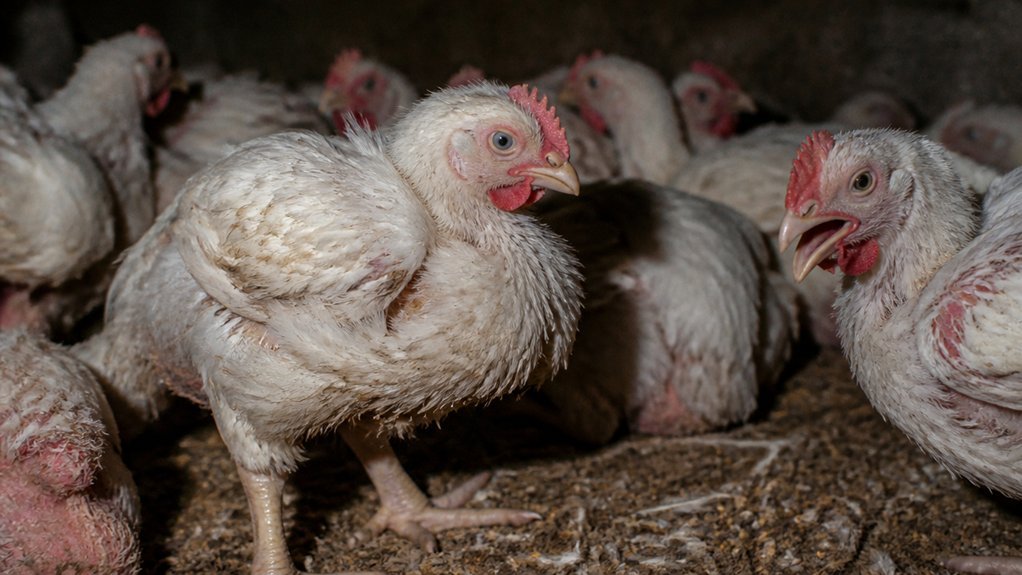
Chickens can get stressed for several common reasons, and knowing them helps you spot problems early. You may notice stress when predators lurk nearby, especially at night or around exposed runs. Harsh weather can also strain them; heat, cold, wind, and sudden storms all disrupt their comfort.
A red flashing predator deterrent light can help by mimicking predator eyes, deterring nocturnal predators before they approach too closely. Overcrowding creates tension because birds compete for space, roosts, and nesting spots. Loud noises, unfamiliar animals, and frequent handling can unsettle them too. Poor housing, dirty litter, limited ventilation, and changing routines make matters worse. You should also watch for pecking order fights, because new birds or group changes can trigger conflict. Even boredom can cause stress, so you need to provide enrichment, space, and consistency daily.
Signs Your Chickens Aren’t Eating or Drinking
If your birds are stressed, one of the clearest warning signs is that they stop eating or drinking normally. You may notice feed left untouched, waterers staying full longer, or birds gathering nearby without taking a sip.
Watch for weight loss, pale combs, slower movement, and droppings that change because they aren’t getting enough nutrition or fluids. Stress can make chickens wary, especially after a move, weather shift, loud noise, or flock disruption.
Check whether timid birds are being blocked from feeders or drinkers, and make sure fresh feed and clean water are easy to reach. If a chicken refuses both for more than a day, isolate it, offer electrolyte water, and contact a vet promptly for advice. Utilizing clean water systems can help maintain hydration and reduce stress-related issues.
Why Chickens Start Feather Pecking
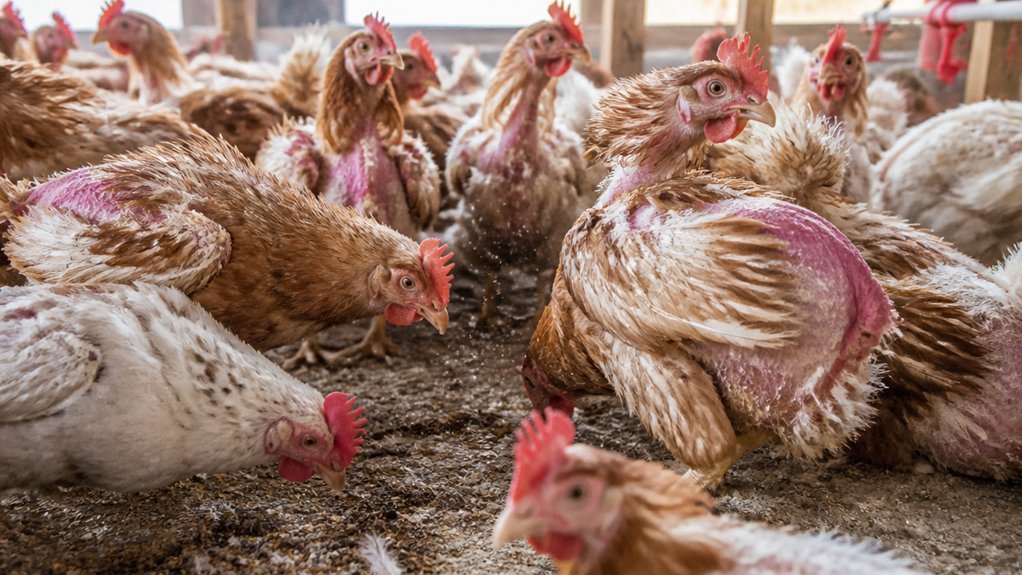
Feather pecking often starts when stress, boredom, or crowding pushes hens to redirect normal foraging behavior onto flock mates. When you keep birds in a tight space, limit scratching time, or change routines too often, they lose healthy outlets for instinctive pecking.
Hunger, low-quality feed, bright lighting, and lack of enrichment can make the habit spread, especially if one bird becomes an easy target. You can think of it as a frustrated behavior that grows when chickens don’t have enough to do or enough room to express natural needs.
Once pecking begins, it can turn into a learned pattern that’s hard to stop, so reducing triggers early matters. Giving birds space, cover, and things to investigate helps redirect that energy before damage starts.
Additionally, providing protective covers for chicken runs can help shield hens from predators and reduce anxiety that may contribute to stress-related pecking.
Behavior Signs of Stress in Chickens
Stress shows up in chicken behavior long before a bird gets sick, and you can often spot it by watching for changes in how your flock moves, eats, and reacts.
You may notice your birds crowding corners, hiding more than usual, or startling at small noises. They might pace, freeze, or keep pecking at the ground without settling to rest. Some chickens become unusually aggressive, while others seem withdrawn and avoid the group.
You may also see reduced curiosity, less dust bathing, and more time spent standing alert instead of foraging calmly. When you handle them, stressed birds can flinch, squawk, or struggle harder than normal.
Watch for these shifts together, because one odd habit alone may mean little, but several changes usually signal real stress. Proper saddle fit can help reduce discomfort and skin irritation, which may contribute to stress if not addressed.
How Chicken Stress Affects Egg Laying
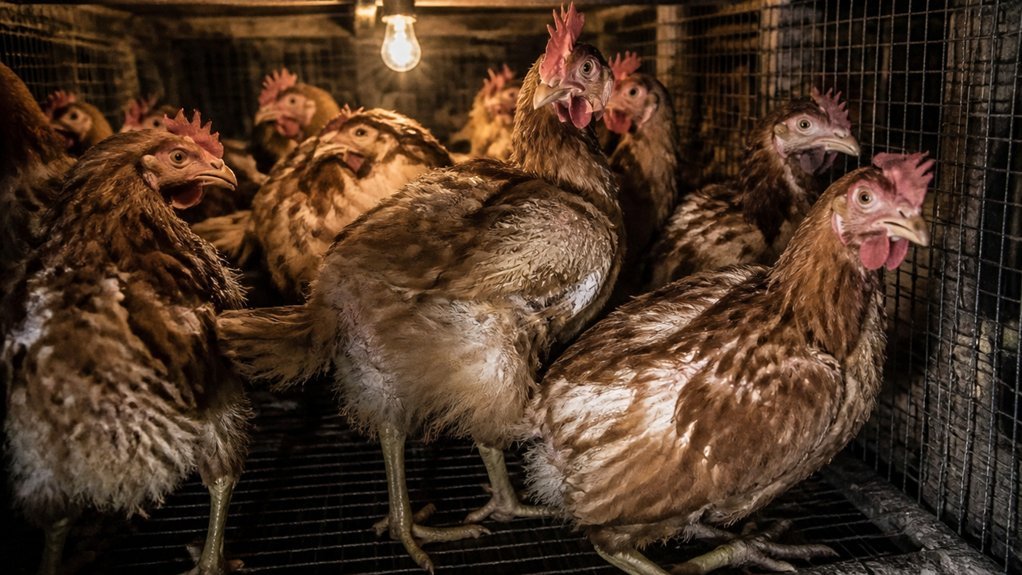
Those behavior changes don’t just make chickens harder to manage—they often show up in the nest box too. When your hens feel stressed, their bodies shift energy away from laying and into survival. You may see fewer eggs, smaller eggs, thin shells, or odd laying times.
Stress in hens often shows up in the nest box as fewer eggs, smaller eggs, and thin shells.
Stress can also trigger soft-shelled eggs, missed days, and a sudden drop in production after a move, predator scare, heat wave, or flock disruption. Ensuring proper calcium intake and balanced nutrition can help mitigate some of these effects.
- Less consistent laying
- Smaller or misshapen eggs
- Thin, fragile shells
- Soft-shelled or shell-less eggs
- Sudden pauses in production
If you spot these changes, check for loud noises, overcrowding, poor feed, parasites, and heat. Calm, stable conditions help your flock settle down and lay more reliably.
Frequently Asked Questions
How Long Can Chickens Stay Stressed Before Health Problems Appear?
Stress can start harming your chickens in days, and sometimes within hours, if it’s severe. You’ll see reduced appetite, weaker immunity, and poorer egg production fast, so fix the cause promptly.
Can Weather Changes Alone Stress Chickens Significantly?
Yes, weather changes alone can stress chickens considerably. You’ll see it during heat, cold, wind, or sudden storms, because you can’t control their comfort. Protect them with shade, shelter, ventilation, and consistent water.
Do Certain Chicken Breeds Handle Stress Better Than Others?
Yes, you’ll usually see hardier breeds cope better with heat, crowding, and handling. You can expect calmer, dual-purpose breeds to adapt more smoothly, while nervous or highly productive breeds often react faster to stress.
Can Stress Make Chickens More Aggressive Toward People?
Yes—stress can make your chickens more aggressive toward you. You’ll notice pecking, charging, or flapping when they feel threatened, crowded, or overstimulated. Calm handling, space, and routine usually help them settle down quickly.
What Are Quick Ways to Calm Stressed Chickens Safely?
You can calm stressed chickens by quietly dimming lights, reducing noise, offering cool water, and giving space. Handle them gently, check for predators, and keep routines steady. Don’t crowd them; they’ll settle faster.
In Summary
Now that you know the common causes and warning signs, you can step in before stress hurts your flock. Watch for changes in appetite, feather pecking, odd behavior, and drops in egg laying, then fix the problem quickly. A calmer coop means healthier chickens, better production, and less work for you. Keep their water, feed, space, and routine steady, and your birds will thank you with stronger, happier, more reliable laying.