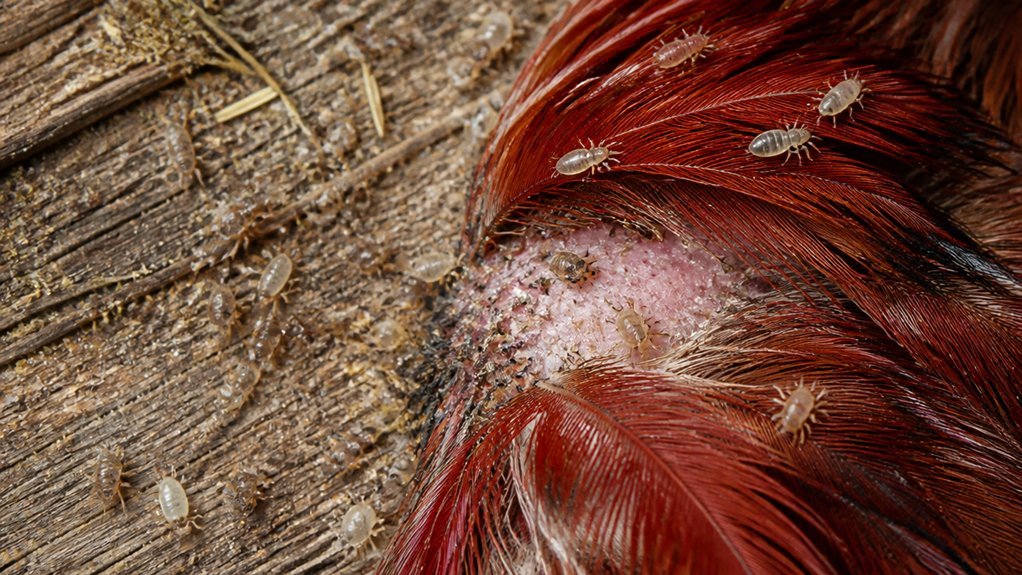
You can spot chicken lice by tiny tan, wingless bugs crawling close to the skin, usually around the vent, under the wings, or neck. You’ll also see white or yellowish nits stuck to feather shafts, plus dull, ragged feathers, broken barbs, and red, irritated skin. Chickens often scratch, preen, and act restless or drop in egg production. If you keep going, you’ll learn how to check for them more closely.
What Chicken Lice Look Like
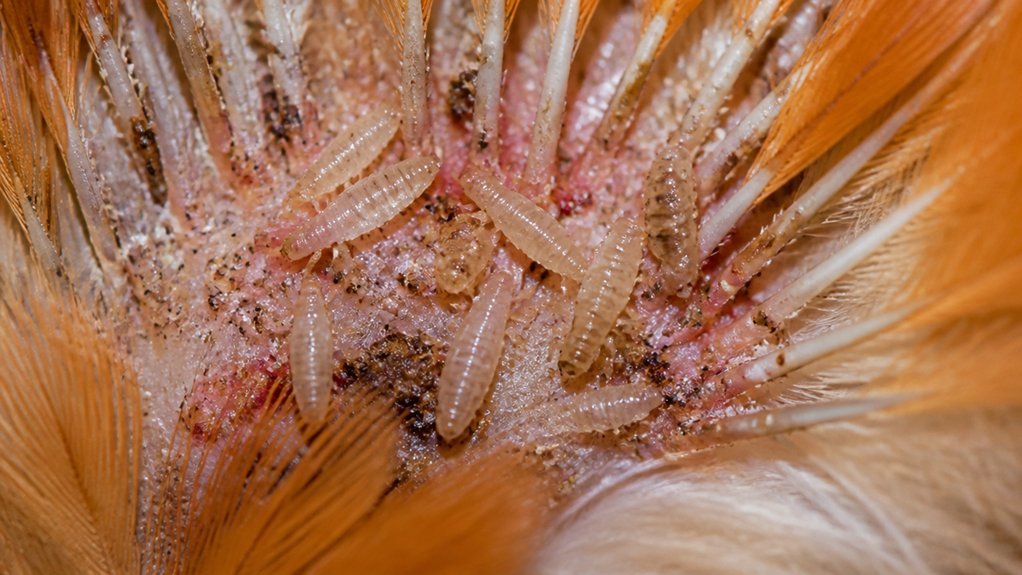
Chicken lice are tiny, flat, wingless insects that often look like pale tan or yellowish specks moving through a bird’s feathers. You may notice they crawl slowly and stay close to the skin. Their bodies look narrow and flattened, which helps them cling to feathers. Unlike fleas, they don’t jump, and unlike mites, you can often see them with your eyes if you look closely. Adult lice are usually about the size of a sesame seed or smaller, while their eggs, called nits, look like tiny white or yellowish grains stuck to feather shafts. If you inspect your chickens carefully, you’ll see these pests as moving dots that disturb the bird’s coat and signal a lice problem. Regular pest control measures using food-grade diatomaceous earth can help manage lice presence on your flock.
Where Chicken Lice Hide on Chickens
When you check your chickens for lice, look closely under the feather shafts, where these pests like to cling. You’ll also find them around the vent area and beneath the wing feathers, where they stay hidden from quick view. Careful inspection of these spots can help you spot an infestation early, especially if you observe poultry pests actively moving or feeding.
Under Feather Shafts
Under the feather shafts, chicken lice often cluster where the skin stays warm and protected, making them easy to miss at first glance. You should part the feathers gently and look for tiny tan or straw-colored insects moving close to the skin. Their eggs may cling to shaft bases, especially where feathers overlap tightly. A thorough inspection may reveal advanced formulations or natural ingredients that can aid in treatment. Check these clues:
- quick, crawling specks
- pale eggs attached below feathers
- irritated skin with scabs
- broken feather edges
- restless preening or scratching
You’ll usually spot them better in bright light when your bird relaxes. Use your fingers or a comb to lift feathers and inspect each shaft carefully. If you find lice here, treat the bird promptly and recheck after a few days.
Around Vent Area
Around the vent, chicken lice often hide in the warm, feathered area near the tail, where they’re easy to overlook unless you look closely. You may notice your hen twitching, pecking, or holding her tail oddly because the irritation builds fast there. Part the feathers gently and check for tiny tan or gray insects moving near the skin, along with white specks that cling to the base of the feathers. The skin can look red, dirty, or scabby if the infestation’s heavy. Because birds reach this spot while preening, lice can spread easily and stay hidden. If you find signs here, inspect the whole flock and treat the coop promptly to stop the pests from coming back. Be aware that effective disinfection helps eliminate lice hiding in nest boxes and perches, reducing reinfestation risks.
Beneath Wing Feathers
Beneath the wing feathers, chicken lice like to hide in a warm, protected spot that’s easy to miss during a quick check. When you lift each wing, look for tiny gray or tan bugs, pale eggs, and irritated skin. Your hens may flinch, peck at themselves, or hold their wings away from the body. Check both sides of the wing base, where feathers are dense and lice can cling tight.
Using a fine, dust-like dust bath mix can help control lice populations naturally, ensuring the chickens stay healthy and stress-free. Dust bath mixes contain natural, mineral-based ingredients that dislodge mites and lice without harmful chemicals.
- Part feathers gently
- Watch for fast-moving specks
- Search for eggs near quills
- Notice redness or scabs
- Compare both wings closely
If you see these signs, inspect the whole flock soon. Catching lice here helps you stop scratching, stress, and feather damage before it spreads.
Chicken Lice Signs on Feathers
If you notice chicken lice on feathers, you’ll often see a dull, ragged look where the plumage should be smooth and clean. You may spot broken barbs, frayed edges, or feathers that seem chewed and worn, especially around the body and tail.
The bird might also fluff its feathers more than usual, and you’ll see patchy areas where the coat no longer lies flat. As lice feed and move, they disturb feather quality, so your chicken’s plumage can look dusty, faded, or uneven.
You might also find tiny white eggs attached along feather shafts, which can make the feathers look speckled. Check often, because damaged feathers usually worsen quickly when lice stay untreated. Proper feather condition is essential for maintaining a healthy and comfortable chicken.
Chicken Lice Signs on Skin
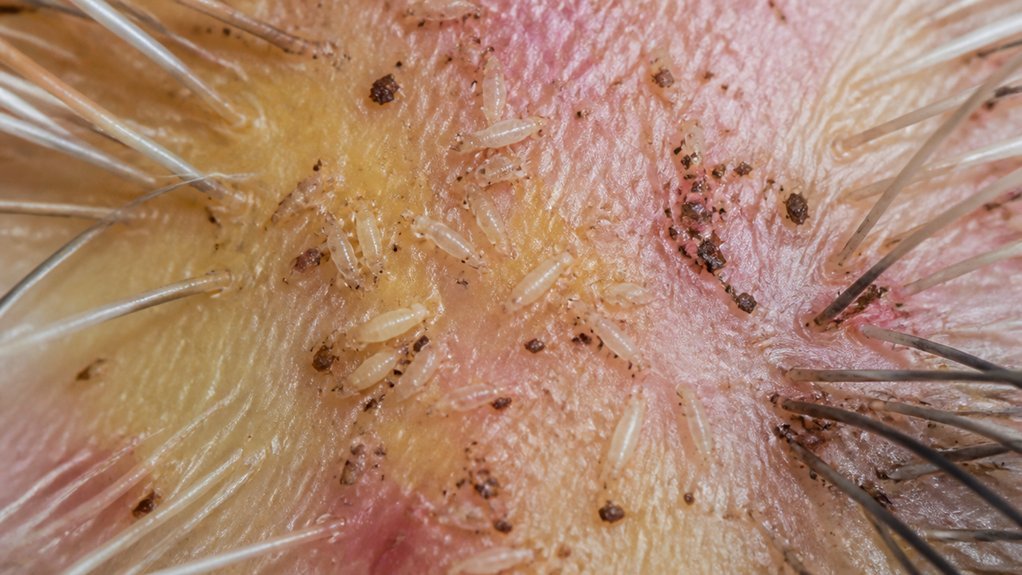
When lice move beyond the feathers, they can leave clear signs on your chicken’s skin too. You may spot irritation that looks like:
- Red, inflamed patches
- Tiny scabs from scratching
- Missing or broken feathers at the base
- Dry, flaky skin
- Restless picking at one area
Your chicken might keep pecking or scratching the same spot because the bites itch. You can also notice skin that looks stressed or tender, especially around the vent, under the wings, and along the neck. Proper ventilation and secure housing are essential to prevent infestations and promote healthy recovery, especially for protected coop environments. Catching these changes early helps you act before the problem gets worse and spreads through the flock.
Check Your Coop for Lice Eggs
Check the coop closely for lice eggs, since they often hide in cracks, along roosts, and around nesting boxes. You may see tiny white or yellowish specks glued to feathers, wood, or bedding. Focus on warm, protected spots where lice can breed, especially under roost bars and inside nest corners. Use a flashlight and run your fingers along rough surfaces so you don’t miss clusters. If you spot eggs, inspect every bird and the surrounding area right away. Replace dirty bedding, scrape away debris, and clean crevices thoroughly. Then treat the coop and your chickens together, because eggs left behind can restart the problem quickly. Regular checks help you catch an infestation early and keep your flock comfortable. Incorporating dust control matters practices like triple-layer screening helps reduce airborne particles, limiting eggs and lice from spreading.
How to Tell Lice From Mites
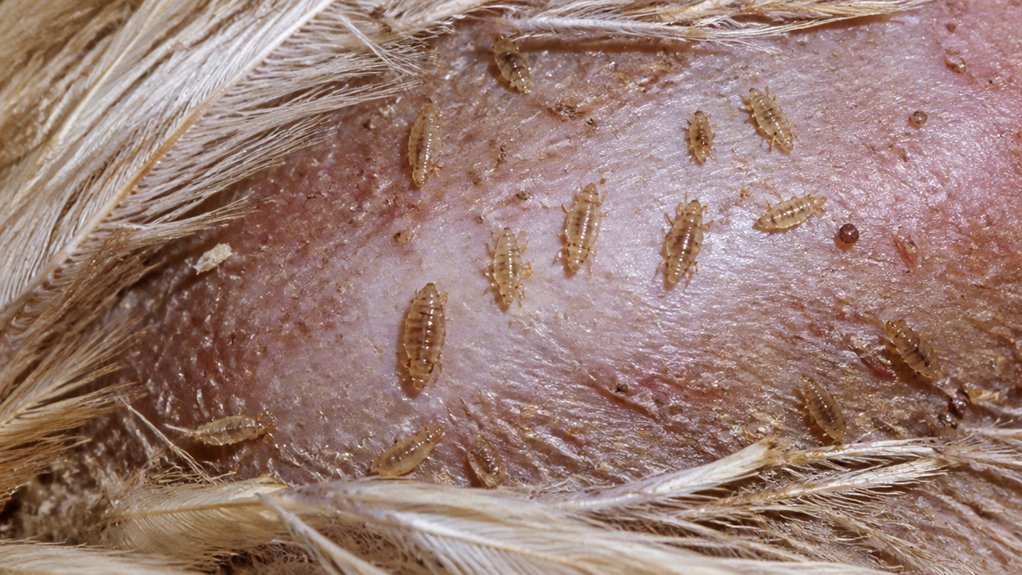
You can spot lice by their flat, pale bodies and the way they cling close to a chicken’s feathers.
Mites often look darker and smaller, and they may hide in cracks or come out at night. If you watch where they live and how they move, you’ll tell them apart more easily.
Being aware of probiotic strains that support gut health can also help strengthen a chicken’s immune system against external parasites.
Lice Appearance Differences
Lice and mites can look similar at a glance, but they’re not the same. When you inspect your chicken, you’ll usually notice lice as larger, flatter insects with visible legs and a tan, straw, or yellow-brown color. Mites are often much smaller, darker, and harder to spot without close checking.
- Lice have a more elongated body.
- You can often see them moving in feathers.
- They usually stay on the bird’s body.
- Their color is light brown or pale yellow.
- They don’t look round or dotlike.
If you part the feathers, lice may appear clustered near the vent, under wings, or around the neck. Their size and shape help you tell them apart quickly, so you can choose the right treatment fast. Breed selection can also influence how susceptible your chickens are to lice, especially if certain breeds are more resilient to external parasites.
Mite Behavior Clues
Even if the pests look hard to tell apart, their behavior often gives mites away. You’ll usually spot mites hiding in cracks, roost joints, and nest seams during the day, then feeding on your chickens at night.
Lice stay on the bird more consistently and move through feathers while chewing skin debris. If your hens seem normal in daylight but get restless after dark, suspect mites. You may also notice pale combs, blood spots on eggs, and red or black specks near perches. Dusty buildup around coop corners can signal mite activity too.
When you inspect at night with a flashlight, mites may crawl away fast. Lice don’t vanish into the coop structure the same way, so that hiding behavior is a strong clue.
Why Lice Hurt Egg Production
When hens battle a lice infestation, their bodies divert energy away from egg laying and toward constant irritation and stress. You may notice fewer eggs because parasites drain nutrients, weaken feed conversion, and disrupt normal reproduction.
Lice infestations divert hens’ energy from egg laying, causing fewer eggs as nutrients and reproduction are disrupted.
Lice feed on skin debris and blood, so your flock loses reserves that should support shell formation and yolk development.
- Less energy reaches the ovary
- Nutrients get used for repair
- Stress hormones can suppress laying
- Poor condition lowers egg size
- Severe infestations can pause production
You’ll often see the drop before other problems look obvious. If you protect hens early, you can keep their bodies focused on producing steady, healthy eggs instead of coping with pests.
Behavior Changes Caused by Lice
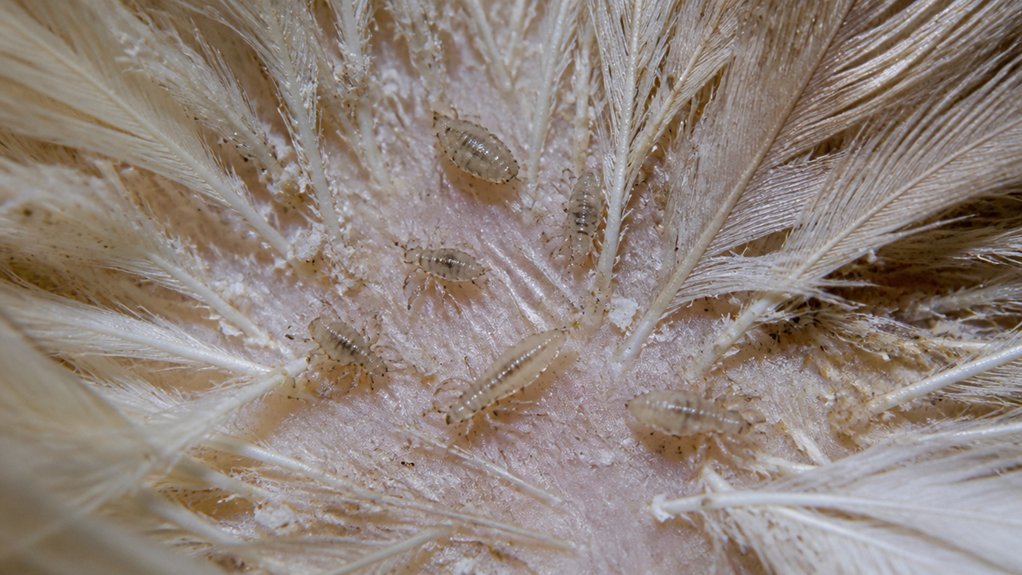
When lice bother your hens, you may notice restless roosting and see them shifting or pacing instead of settling down.
They’ll often preen far more than usual as they try to ease the itching, and you may also spot reduced activity as they become less willing to move around. These behavior changes can be an early clue that lice are affecting your flock.
Restless Roosting Habits
If your chickens seem to pace the coop, hop off the roost, then settle again and keep shifting through the night, lice may be the reason. You’ll notice they can’t relax, even in a familiar, quiet coop.
The constant irritation makes bedtime rough, and your flock may act unsettled long before daylight.
- They shift feet often
- They leave the roost repeatedly
- They crowd away from certain spots
- They stay alert when they should rest
- They start each night uneasy
When you watch this pattern, trust what you see. Restless roosting usually means something is bothering your birds after dark, and lice are a common culprit.
Excessive Preening
Another telltale sign of lice is nonstop preening. You may notice your chicken scratching, pecking, and nibbling at her feathers far more than usual. Lice irritate the skin, so she tries to ease the itch by grooming again and again.
This constant attention often targets the vent, underwings, neck, and base of the tail, where lice like to hide. You might also see feathers looking ruffled, broken, or missing from repeated picking. Unlike normal dust-bathing or routine grooming, this behavior seems frantic and never quite stops.
If you handle your bird, you may spot tiny moving specks or pale eggs near the feather shafts. When preening becomes excessive, check closely for lice and treat the flock promptly.
Reduced Activity
Lice can also make a chicken noticeably less active. You may notice her lingering in one spot, moving slowly, or skipping normal scratching and foraging.
The irritation drains her energy, and she’ll often seem dull or unwilling to join the flock.
- She stays perched longer than usual.
- She walks with less urgency.
- She avoids dust baths and roaming.
- She eats or drinks less.
- She reacts slowly to nearby activity.
This drop in activity can signal more than simple laziness. If you see it with feather damage, pale combs, or constant scratching, check her closely for lice.
Quick treatment helps you restore comfort, energy, and normal flock behavior before the infestation grows worse.
Signs of a Severe Chicken Lice Infestation
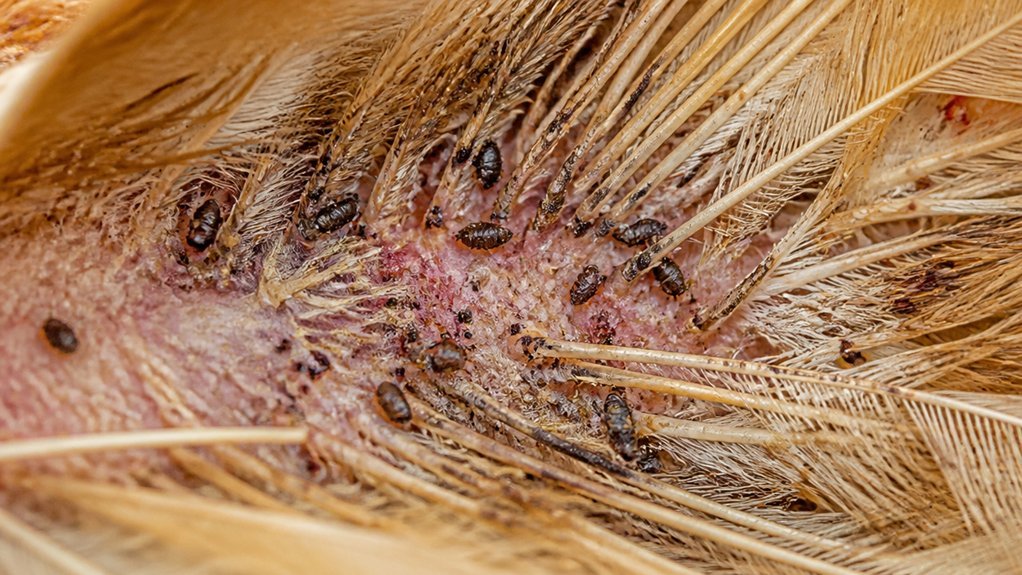
When a chicken lice problem turns severe, you’ll usually notice more than a little restlessness: birds may scratch constantly, pick at their feathers, and look visibly stressed or weakened.
You might see bald patches, especially around the vent, neck, and under the wings, where lice cluster and feed. Feathers can look ragged, broken, or dirty from excessive preening.
In heavy infestations, your chickens may lose weight, appear pale, and hold their wings away from their bodies because the irritation never stops. You may also spot lice or eggs close to the skin when you part the feathers.
If your flock seems anxious, overcrowded at the roost, or less willing to forage, the infestation’s likely advanced and affecting overall comfort.
When to Treat Your Chickens for Lice
If you’ve noticed constant scratching, feather damage, or bald patches, don’t wait to act. You should treat your chickens for lice as soon as you spot live lice, nits, or irritated skin, because infestations spread fast and weaken birds.
Act quickly if you see:
- feather loss around the vent or neck
- pale combs or reduced egg laying
- dusty clusters on skin or feathers
- restlessness at night
- chicks or hens avoiding roosts
You don’t need to wait for a full-blown outbreak. Treat the flock, clean bedding, and scrub the coop the same day.
Recheck birds in a week, then repeat treatment if you still find parasites. Fast action helps you protect health, stop egg drops, and keep lice from taking over your coop.
Frequently Asked Questions
How Do Chicken Lice Spread Between Birds?
Chicken lice spread when birds touch, share roosts, nest boxes, or bedding, or when you introduce infested birds or equipment. You can also track them on clothing, hands, and tools between flocks.
Can Chicken Lice Affect Humans?
Yes, chicken lice can bite you, but they can’t live on humans. You’ll usually get temporary itching or redness. Wash your hands, change clothes, and treat your birds promptly to stop repeat contact.
What Causes Chicken Lice Infestations?
You usually get chicken lice when birds pick them up from infected flockmates, dirty bedding, wild birds, or shared coops. You’ll see them spread fast if you don’t clean, quarantine, and treat promptly.
How Long Do Chicken Lice Live?
Chicken lice usually live about a month on your birds, but eggs can survive longer off-host. You’ll need to treat the coop and flock quickly, because new lice can hatch and reinfest them fast.
Are Chicken Lice Dangerous to Chicks?
Yes, they can be dangerous to chicks because you’ll see weakness, poor growth, and anemia. They’ll scratch more, lose energy, and in severe infestations, chicks can die if you don’t treat them quickly.
In Summary
If you notice your chickens scratching more than usual, see tiny moving insects or white eggs around their feathers, or spot irritated skin and missing feathers, lice may be the cause. You might also see drops in egg production, restless behavior, or a coop that seems infested. Catching lice early helps protect your flock’s health and comfort, so check your birds often and treat them as soon as you spot the signs.