If you’re dealing with pecking injuries in your flock, choosing the right wound spray can make a real difference in recovery and stress levels. You’ll want something safe, easy to apply, and gentle enough for repeated use, but not every product handles those needs the same way. From antibiotic-free sprays to silver-based formulas and organic options, the best choices in 2026 may surprise you.


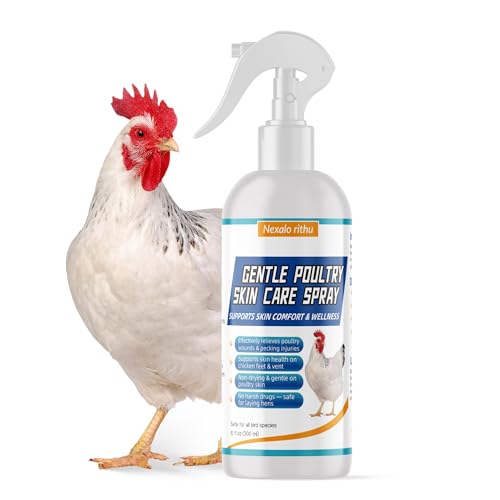
More Details on Our Top Picks
Vetericyn Plus Livestock Utility Wound Care Spray
Vetericyn Plus Livestock Utility Spray is ideal if you want a wound spray that’s made for livestock care. You can use this 16-ounce Vetericyn formula for wound care, teat spray, and dermal cleansing. It’s non-toxic and antibiotic-free, so you can apply it with confidence on poultry and other livestock. The topical spray helps you cover hard-to-reach areas and supports cleaner skin while encouraging healing. You’ll also appreciate how easy it is to use and how cost effective it can be for regular barn care, especially when you need reliable daily hygiene support.
- Form:Spray
- Size:16 oz
- Intended Use:Wound care
- Target Animals:Livestock
- Safety:Non-toxic
- Origin:USA-made
- Additional Feature:Teat spray coverage
- Additional Feature:Dermal cleanser
- Additional Feature:Antibiotic-free formula
Vetericyn Plus Hydrogel Spray for All Animals Wound & Skin Care Gel 16 oz
If you need one spray for multiple animals, this hydrogel works well for pecking injuries. You can use Vetericyn Plus Hydrogel Spray on cuts, sores, wounds, and irritated skin when your birds need fast comfort. Its non-toxic hypochlorous formula is pH-balanced, so it won’t sting or irritate sensitive tissue. You’ll also get itch and pain relief, which helps reduce scratching and picking. Veterinarians recommend it as an alternative to antibiotics or steroids. The 16 oz bottle from Vetericyn gives you a trusted, all-animal option for routine wound care.
- Form:Spray gel
- Size:16 oz
- Intended Use:Wound & skin care
- Target Animals:All animals
- Safety:Non-toxic
- Origin:USA-made
- Additional Feature:Spray-on gel
- Additional Feature:Itch relief
- Additional Feature:Pain relief
Microcyn Poultry & Fowl Care Spray 16 oz
Microcyn Poultry & Fowl Care Spray suits backyard flocks needing gentle relief for pecking wounds and irritated skin. You can use it on minor cuts, scrapes, pecking sores, vent irritation, breast blisters, bumble foot, and frostbite-prone spots. Its gentle, non-irritating formula helps support natural healing without stinging, so you can apply it routinely. The 16 oz spray bottle lets you target affected areas quickly, which cuts handling and stress. You’ll find it useful for chickens, ducks, and other poultry when you want simple, dependable skin care and better flock comfort.
- Form:Spray
- Size:16 oz
- Intended Use:Poultry wound care
- Target Animals:Poultry & fowl
- Safety:Non-irritating
- Origin:USA-made
- Additional Feature:Minor wound care
- Additional Feature:Convenient spray nozzles
- Additional Feature:Routine application
PetSilver Chicken Wound Spray Silver Spray for Wounds USA Made 12 fl oz
PetSilver’s silver spray suits you when you need a gentle, no-sting wound treatment for chickens. You can use it on pecking injuries, irritated skin, and other wounds across the head, beak, feet, and wings. Its chelated silver and distilled water formula soothes on contact, helps prevent infection, and lets birds peck or lick safely after application. You can spray or stream it from up to 6 feet away for thorough coverage. Made in the USA under FDA and GMP standards, it’s a practical, natural first-aid choice for your flock.
- Form:Spray
- Size:12 fl oz
- Intended Use:Chicken wound care
- Target Animals:Chickens & birds
- Safety:Safe to peck
- Origin:USA-made
- Additional Feature:Chelated silver formula
- Additional Feature:Spray or stream
- Additional Feature:Up to 6 feet
Chicken Wound Care Spray for Poultry
For tough pecking injuries, this heavy-duty spray suits keepers who need fast, safe poultry wound care. You can use Coop Care Chicken Wound Care Spray on skin irritations, bumblefoot, vent prolapse, pecking sores, and burns. Its ProH Technology and low-pH, antibiotic-free formula help clean wounds and support healing at the cellular level. You just dilute, spray the area, and let it dry—no rinsing or bandages needed. It’s peck- and lick-safe, hypoallergenic, biodegradable, and made in the USA. The clear 32-ounce bottle offers practical first aid for chickens and other birds.
- Form:Spray
- Size:32 fl oz
- Intended Use:Poultry wound care
- Target Animals:Poultry
- Safety:Peck-safe
- Origin:USA-made
- Additional Feature:ProH Technology
- Additional Feature:No bandages required
- Additional Feature:Eco-friendly formula
Eaton USDA Organic Chicken Wound Spray 8 oz
Eaton USDA Organic Chicken Wound Spray is the best organic pick if you want gentle, USDA-certified care for pecking injuries. You get a natural, farmer-owned formula made in the USA by Eaton Pet and Pasture, a company that knows poultry care. The 8 oz spray helps you treat cuts, scrapes, sores, minor burns, frostbite, bumblefoot, and scaly leg mites fast. It won’t burn or sting, so your birds stay calmer during treatment. Keep it in your coop first aid kit for quick, precise application and dependable, veterinarian-recommended support that helps maintain healthy skin and comfort.
- Form:Spray
- Size:8 oz
- Intended Use:Chicken wound care
- Target Animals:Chickens & poultry
- Safety:Organic
- Origin:USA-made
- Additional Feature:USDA Certified Organic
- Additional Feature:Farmer-owned company
- Additional Feature:No burn or sting
Silver Honey Rapid Wound Repair First Aid Spray Gel 8 fl oz
Silver Honey Rapid Wound Repair First Aid Spray Gel is a smart pick if you need the fastest healing for pecking wounds. You get a 8 fl oz, pH-balanced, antibiotic-free spray gel from Absorbine that’s made in the USA and uses natural ingredients. It starts working right away to support healing while protecting your bird’s skin balance. The touch-free format helps you apply it cleanly to wounds, scratches, abrasions, burns, sores, and irritated areas. You can also use it on sensitive or larger spots without much hassle, which helps lower contamination risk and speeds care.
- Form:Spray gel
- Size:8 fl oz
- Intended Use:Rapid wound repair
- Target Animals:All animals
- Safety:Antibiotic-free
- Origin:USA-made
- Additional Feature:Rapid healing action
- Additional Feature:Hands-free spray gel
- Additional Feature:pH balanced
PETSPHERE Anti-Pecking Spray for Chickens (250 mL)
PETSPHERE’s 250 mL spray helps you curb feather pecking before it turns serious. You can use it on hens, roosters, and other chickens to deter pecking, feather pulling, and repeated attacks on the back, neck, tail, and nearby plumage. Shake it well, attach the precision sprayer, and mist lightly without soaking. Apply at the first sign of trouble, then reapply 1–2 times daily, or up to 4 times after rain or dust bathing once feathers dry. It’s water-based, non-greasy, and doesn’t need rinsing. Monitor flock stress and isolate badly injured birds.
- Form:Spray
- Size:250 mL
- Intended Use:Anti-pecking
- Target Animals:Chickens
- Safety:Non-staining
- Origin:Not specified
- Additional Feature:Anti-feather pecking
- Additional Feature:Botanical oil blend
- Additional Feature:Precision-control trigger
Dr. Orchard’s Chicken Wound Spray for Birds
Dr. Orchard’s Chicken Wound Spray gives you a gentle, non-stinging way to care for pecking injuries, bumblefoot, vent irritation, and minor scrapes. You can spray it directly on chickens, hens, roosters, and chicks without rinsing, and it’s safe if birds peck the area or accidentally ingest it. Because it contains no antibiotics or steroids, you won’t need an egg withdrawal period. Use it daily during molting or coop stress. The clear, residue-free formula supports skin recovery, feather regrowth, and flock comfort with over 2,500 sprays per 12-ounce bottle.
- Form:Spray
- Size:12 oz
- Intended Use:Chicken wound care
- Target Animals:Chickens & birds
- Safety:Non-stinging
- Origin:Not specified
- Additional Feature:No egg withdrawal
- Additional Feature:Over 2,500 sprays
- Additional Feature:Feather regrowth support
Poultry Care Spray for Chicken Wounds and Irritations
Need a gentle, natural spray for pecking injuries? You can reach for Poultry Care Spray for Chicken Wounds and Irritations to clean pecking sores, blisters, frostbite, minor cuts, bumblefoot, and other irritations fast. Its 100% natural, alcohol-free formula uses hypochlorous technology with an optimized pH, so it won’t sting sensitive skin. You can spray it on feathers, feet, beaks, wings, and vents, and it’s safe if your birds peck it. The vet-recommended 10 oz bottle also works for laying hens, ducks, turkeys, and geese, with no egg withdrawal concerns.
- Form:Spray
- Size:10 oz
- Intended Use:Poultry wound care
- Target Animals:Poultry
- Safety:Ingestible-safe
- Origin:Not specified
- Additional Feature:Hypochlorous technology
- Additional Feature:Beneath-feather nozzle
- Additional Feature:No alcohol
Factors to Consider When Choosing Poultry Wound Sprays for Pecking Injuries
When you choose a poultry wound spray for pecking injuries, you’ll want to check its safety profile and make sure the ingredients are poultry-safe. You should also look for a non-stinging formula that helps deter pecking without stressing the bird. Easy application matters too, since a spray you can use quickly and cleanly makes treatment simpler.
Wound Safety Profile
A safe poultry wound spray should do more than just cover an injury—it needs to be non-toxic, antibiotic-free, and gentle enough that pecking or accidental ingestion won’t harm the birds. You should choose a formula that won’t sting, irritate feathers, or stress sensitive skin during application. Look for hypoallergenic, non-irritating sprays that skip alcohol, steroids, and other harsh chemicals that can damage skin integrity. If you keep laying hens, make sure the product won’t affect egg production or require a withdrawal period. That way, you can treat wounds without disrupting flock output. You also need a spray that’s safe for repeated use, since molting birds or high-risk flocks may need ongoing care. Reapplying shouldn’t trigger adverse reactions or discomfort.
Pecking Deterrence
Beyond being safe on skin, a good poultry wound spray also needs to discourage pecking so the injury can heal without extra damage. You should choose a non-staining, non-greasy spray that dries quickly, so it won’t leave feathers sticky or uncomfortable. Look for botanical oils or other natural ingredients that help birds avoid the treated area without causing harm. Since flockmates may peck after rain, dust baths, molting, or integration, you’ll need to reapply it often, sometimes several times a day. The spray should stay safe if birds nibble or peck it, and it should remain gentle on sensitive skin and feathers. For lasting control, watch flock behavior and fix triggers like poor nutrition, crowding, or limited enrichment.
Non-Stinging Formula
Because pecked skin is already sore, a non-stinging formula matters just as much as the spray’s healing benefits. You want a spray that won’t burn when you apply it to open skin, because stinging can make your birds flinch, pull away, and stay stressed. Look for formulas that skip harsh chemicals, alcohol, and very low pH levels, since those can intensify pain and irritation. A gentle, balanced product also lets you reapply it without upsetting the flock, which helps you keep treatment consistent. That consistency supports faster recovery and reduces agitation around the injured area. It’s also important that the spray stays safe if birds peck the site, since curious poultry often do. A non-toxic, non-stinging option helps protect them from extra harm.
Poultry-Safe Ingredients
When you’re choosing a poultry wound spray for pecking injuries, the ingredient list should come first. You want non-toxic, antibiotic-free ingredients so your birds stay safe if they peck at the spray or ingest residue. Look for options with hypochlorous acid or chelated silver, since they can help fight bacteria without irritating sensitive skin. Natural or organic formulas with botanicals and pH-balanced components can support healthy skin microbiomes and reduce discomfort. Avoid harsh chemicals, alcohol, steroids, and antibiotics, especially in laying hens, because they can leave residues, trigger withdrawal concerns, and affect egg production. You should also choose sprays that stay safe with repeated use, won’t stain feathers, and won’t contribute to behavior problems.
Application Ease
Application ease matters just as much as the formula itself, since you need a spray that lets you treat injured or pecked skin quickly with minimal stress. Choose a bottle with a nozzle that sprays directly onto the affected spot, so you can work fast and keep handling to a minimum. If you need more flexibility, look for adjustable stream settings that let you reach the area from a distance and avoid extra disturbance. A precise trigger sprayer helps you target sore spots without wasting product or soaking nearby areas. Quick-drying, no-rinse formulas make treatment simpler because you won’t need bandages or extra steps. Lightweight, ergonomic bottles also matter, especially when you’re treating birds often during recovery or ongoing pecking issues.
Feather Coverage
Feather coverage matters just as much as easy application, since the spray has to reach injured skin under plumage to actually help. You’ll want a nozzle that pushes product beneath feathers or creates a fine mist, because pecking wounds often hide where you can’t see them. Good coverage helps you saturate the affected area without missing feathered spots that could trap dirt or irritation. Choose a formula that dries quickly and leaves no sticky residue, so feathers can air-dry comfortably instead of matting together. A non-greasy, non-staining spray also protects feather condition and won’t leave buildup that might discourage preening. If you can apply it from a distance, you’ll cover skin and plumage more evenly while keeping handling stress low.
Fast Healing Support
How do you help a pecked bird recover faster? You choose a wound spray that supports rapid tissue regeneration and cellular repair, so the injury can close sooner. Look for formulas that soothe on contact and ease pain, because less stress helps your bird heal better. Antimicrobial ingredients like hypochlorous acid or silver compounds can help prevent infection while supporting recovery. You’ll also want a spray that forms a light protective barrier over the wound, since that can block dirt and reduce further pecking. Pick a pH-balanced, non-irritating product that protects skin integrity and respects the natural microbiome. When the spray calms, shields, and cleans, you give your bird the best chance to bounce back quickly.
Egg-Laying Compatibility
Even when a spray speeds healing, you still need one that fits the realities of an egg-laying flock. You should choose a formula that’s safe for laying hens and won’t force egg withdrawal or cut egg production. Avoid sprays with harsh chemicals, antibiotics, or steroids, since they can contaminate eggs or interfere with laying cycles. Look for gentle, non-toxic ingredients that won’t sting sensitive skin around the vent or under feathers. Vet-recommended products are often the safest bet because they support healing without harming egg quality. You also want a spray that’s safe if a hen pecks at it or ingests a trace amount, so treatment doesn’t disrupt normal feeding, comfort, or laying behavior.
Frequently Asked Questions
How Often Should I Reapply Poultry Wound Spray After Pecking Injuries?
You should reapply it 1–2 times daily, or after the area gets wet or dirty. Always follow the label, keep the bird separated, and watch closely for redness, swelling, or worsening wounds.
Can Wound Spray Be Used on Chicks Under Four Weeks Old?
Yes, you can use wound spray on chicks under four weeks old if the label allows it. You should use only poultry-safe products, apply sparingly, and watch closely for irritation or worsening wounds.
Should I Isolate Injured Birds While the Spray Heals Wounds?
Yes, you should isolate injured birds so others don’t peck at wounds and slow healing. You’ll protect them, keep spray in place, and monitor recovery closely. Reintroduce them only when wounds’ve closed.
Does Wound Spray Affect Egg Production or Egg Safety?
Usually, you won’t see egg production drop if you use a poultry-safe spray correctly. You should follow label directions and withdrawal times, because some products can contaminate eggs or affect laying if misused.
Can I Use Poultry Wound Spray on Combs and Wattles?
Yes, you can use poultry wound spray on combs and wattles if you follow the label directions. You’ll want to clean the area first, avoid eyes and mouth, and reapply as directed.