Sudden backyard chicken deaths usually mean you’re dealing with a fast-moving illness, toxin, predator attack, or hidden health problem. Common causes include heat stress, dehydration, respiratory disease, egg binding, crop blockage, parasites, poisoning from moldy feed or chemicals, trauma, and heart failure. Check for wobbling, gasping, pale combs, swelling, or sudden drops in appetite and egg laying. If more than one bird is affected, act fast, because the clues can point to what’s really happening.
What Sudden Chicken Deaths Usually Mean

When a chicken dies suddenly, it usually points to an acute problem rather than a long-term decline. You should first think about fast-moving illness, poison, or a hidden environmental hazard that can kill within hours. A sudden death might also involve wound-related complications if injuries have gone unnoticed or untreated. Unlike gradual weight loss or fading egg production, sudden death gives you little warning, so you need to review what changed recently in the coop, run, feed, water, or weather. Check whether birds ate something new, drank contaminated water, or showed brief signs like drooping, gasping, or staggering before dying. If more than one bird seems off, act quickly because a shared exposure often affects the flock at once. You can narrow the cause by noting timing, symptoms, and any recent changes, then contacting a poultry vet if the pattern isn’t obvious.
Predators and Trauma in the Coop
Not every sudden chicken death comes from disease or poison; sometimes the cause is a predator attack or a serious injury in the coop or run. You might find feathers scattered, a broken door, or a bird missing altogether after raccoons, foxes, dogs, rats, or snakes get inside. Even if a predator doesn’t kill outright, shock and wounds can finish a chicken later.
Trauma can also happen when a hen gets caught in wire, falls from a roost, gets trampled, or suffers a pecking attack. Check for blood, punctures, broken wings, swelling, and signs of struggle. Hardware cloth can be an effective barrier against many predators when properly installed, preventing breaches and providing peace of mind for your flock.
To protect your flock, secure locks, repair gaps, use sturdy wire, and remove hazards inside the coop and run before nightfall.
Heat Stress and Dehydration

Hot weather can kill chickens fast, especially if they don’t have enough shade, ventilation, or clean water.
When you see panting, wings held away from the body, or droopy birds, act immediately. Move them to a cooler spot, improve airflow, and offer fresh water right away. You can also freeze treats in shallow pans to help them lower body temperature.
- Give constant access to cool, clean water.
- Provide deep shade during the hottest hours.
- Reduce handling and crowding in extreme heat.
- Correct electrolyte imbalances with water-soluble electrolytes and vitamins to support hydration and recovery.
If you ignore early signs, dehydration can turn deadly quickly. Check birds often on hot days, especially if your coop traps heat.
A simple shade cloth, extra waterers, and good airflow can prevent sudden losses.
Poisons, Toxins, and Contaminated Feed
You also need to watch for poisons, toxins, and contaminated feed, since chickens can quickly get sick from what they peck or eat.
Toxic plants, moldy feed, and chemical spills can all harm your flock, so check their area carefully and remove any hazards right away.
If you suspect exposure, act fast and get help from a vet or poultry expert.
Toxic Plants Exposure
Toxic plants, poisons, and tainted feed can kill backyard chickens fast, especially when birds free-range near ornamental beds, compost piles, or poorly stored feed. You need to spot hazards early because curious hens peck at leaves, berries, bulbs, and seeds without hesitation.
Remove risky plants from runs and yards, and fence off landscaping that your flock can reach.
- Check your property for lilies, foxglove, yew, rhubarb leaves, and nightshade.
- Keep pesticides, rodent bait, and fertilizers locked away from birds.
- Offer only fresh, species-appropriate feed from sealed containers.
- Be aware that pest-resistant materials and secure lids in your feed storage can help prevent contamination from rodents or insects that may carry toxins.
If a chicken suddenly droops, gasps, vomits, or collapses after foraging, act quickly and contact a poultry vet. Fast removal from the source can save the rest of your flock.
Moldy Feed Risks
Even when your run is free of poisonous plants, spoiled feed can sicken or kill chickens just as fast. You should inspect bags for dampness, clumping, a sour odor, or green and white fuzz. Mold can produce toxins that damage the liver, gut, and nerves, and birds may stop eating, stumble, or die quickly. Toss any feed that looks or smells wrong, and clean bins before refilling them. Proper feed storage and handling are essential to prevent contamination and ensure your flock’s health.
Chemical Spill Hazards
Chemical spills, pesticide drift, and contaminated feed can kill chickens fast, so keep cleaners, fuels, fertilizers, rodent bait, and treated grain far from your coop and storage area. You should also lock up paints, antifreeze, and lawn chemicals, because one tipped container can poison curious birds.
If you spray your yard, wait until the label says it’s safe, and protect waterers, feeders, and dust baths from drift. Additionally, using safe disinfectants with active ingredients safe for poultry can help prevent accidental poisoning during cleaning.
- Inspect feed bags for broken seals, strange odors, or wet spots.
- Store chemicals in original containers, away from poultry access.
- Rinse spills immediately and replace any contaminated bedding or feed.
If your flock shows drooling, tremors, weakness, or sudden collapse, remove the source at once and call a vet or poison hotline.
Respiratory Diseases That Kill Fast
When a respiratory disease hits your flock fast, you may see coughing, gasping, swollen eyes, or sudden weakness within hours.
A rapid response is crucial to prevent further spread and protect your remaining birds. Food-grade diatomaceous earth can sometimes be used as a natural aid in managing pests but should never replace veterinary treatment for infections.
You should act quickly, because infections like infectious bronchitis, avian influenza, and severe mycoplasma can spread and kill rapidly.
Signs Of Rapid Infection
Rapid respiratory infections can take a chicken from normal to critical in hours, so you need to act fast if you notice labored breathing, open-mouth panting, wheezing, coughing, nasal discharge, swollen eyes, or a sudden drop in appetite and energy.
You should watch for subtle changes before the whole flock looks sick. A bird that isolates itself, sits fluffed up, or stops scratching may be telling you trouble is brewing.
- Check breathing rate and effort several times a day.
- Separate any bird that seems weak or noisy.
- Track egg loss, weight loss, and reduced activity.
- Consider pest control measures, as mites and lice can contribute to respiratory distress and weaken immune responses.
Acting early gives you time to protect the rest of your chickens and reduces stress on the sick bird.
Common Deadly Respiratory Agents
Some respiratory diseases move through a flock with alarming speed and can kill a chicken before you’ve had time to treat it. You should watch for infectious bronchitis, Newcastle disease, avian influenza, and severe Mycoplasma infections, because each can turn deadly fast.
Your birds may gasp, cough, wheeze, swell around the eyes, or strain for breath, and you might notice sudden drops in appetite and egg laying too. If you hear rattling breath or see blue combs, act immediately. Isolate sick birds, limit movement, and contact a poultry vet or local extension office at once.
Don’t wait for every symptom to appear, because these agents spread quickly and can wipe out weak birds before supportive care helps. Ensuring the presence of a diverse probiotic strain diversity can help strengthen the gut microbiome, potentially aiding in resilience against some infections.
Mites, Lice, and Blood Loss
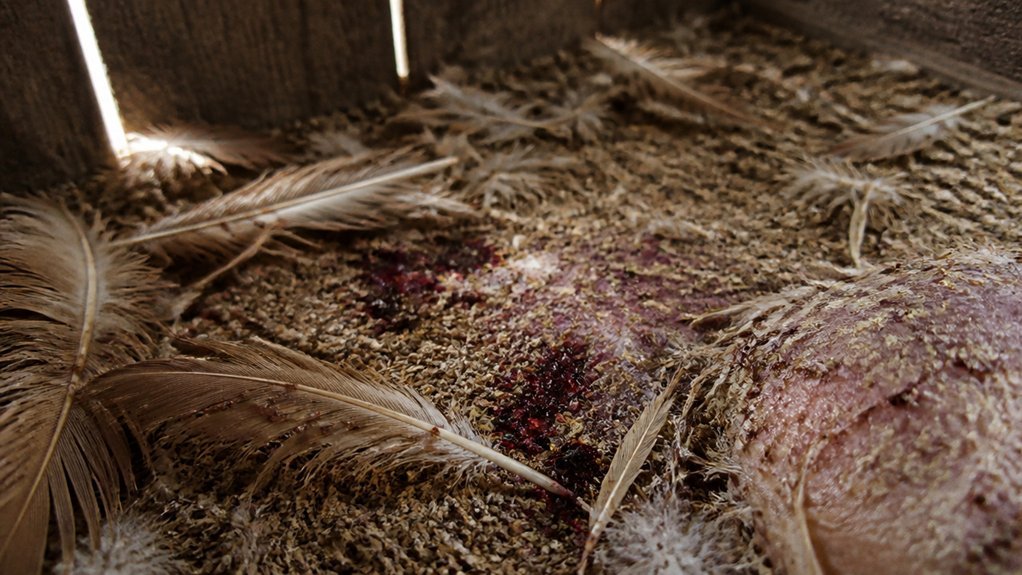
Even a small mite or lice infestation can drain a chicken’s strength fast, especially in warm, crowded coops where parasites multiply quickly. You may notice pale combs, itchy skin, feather loss, and a drop in energy before the problem turns deadly.
Even a small mite or lice infestation can quickly weaken chickens, leaving pale combs, itchy skin, and low energy.
These pests feed on blood, and heavy infestations can leave your birds weak, stressed, and unable to stay warm or fight infection.
- Check roosts, vents, and bedding often.
- Treat every bird and the coop at the same time.
- Repeat cleaning and treatment as directed.
- Using dust-free bedding options can help reduce respiratory risks and improve overall health, making it harder for parasites to thrive.
If you ignore the signs, blood loss can build quietly and you might find a hen dead without warning.
Regular inspections, dry litter, and quick treatment help you stop parasites before they spread through your flock.
Egg Binding and Internal Rupture
If you notice your hen straining, standing hunched, or going off her feed, she may be egg bound.
You can often prevent internal rupture by acting quickly, keeping birds hydrated, and checking that they’re getting the right nutrition.
Watch closely for these warning signs so you can get help before the condition becomes fatal.
Recognizing Egg Binding Signs
Egg binding can turn deadly fast, so you need to spot the warning signs early. You might notice your hen standing hunched, straining, or breathing hard. She may stop eating, seem weak, and isolate herself from the flock.
Her abdomen can feel swollen, and her vent may look moist or slightly protruding. Droppings often shrink or disappear, and she may wobble when she walks.
- Restlessness means she’s struggling.
- A penguin-like stance signals pressure.
- Repeated nesting without laying points to trouble.
If you see these signs, treat them as urgent, not routine. Egg binding can progress quickly, and internal rupture can follow if you wait too long.
Watch closely, act calmly, and contact a vet promptly for help.
Preventing Internal Rupture
When a hen is egg bound, time matters because a blocked egg can lead to tearing or an internal rupture. You should act fast: move her to a warm, quiet space, offer water, and keep stress low.
You can use a warm soak to relax her muscles, but don’t force the egg out. Check her vent gently for swelling, discharge, or severe pain. If she strains without laying, stops eating, or collapses, call a poultry veterinarian right away.
You can prevent repeat episodes by feeding a balanced layer diet, providing clean water, and avoiding obesity. Make sure she gets enough calcium, but don’t overdo supplements. Watch older hens closely, since they’re at higher risk. Quick care can save her life and reduce internal damage.
Heart Failure and Other Hidden Illnesses

Heart failure and other hidden illnesses can take a chicken down with little warning, especially when the bird seemed healthy just hours earlier. You might notice sudden weakness, a wobbly gait, or labored breathing before the bird collapses. These problems often stem from infections, tumors, or congenital defects you can’t spot from the outside.
- Watch for birds that separate from the flock or stop reacting normally.
- Check body condition, comb color, and breathing effort every day.
- Seek a necropsy if a death feels unexplained; it can reveal the cause.
You can’t prevent every hidden disease, but you can catch trouble sooner with close observation. Quick action, clean housing, and prompt veterinary help give you the best chance to protect the rest of your flock.
Crop Blockage and Digestive Shutdown
A crop blockage can stop a chicken’s digestion fast, and the bird may go downhill before you realize anything is wrong. You might notice a hard, swollen crop in the morning, or one that stays full after the bird has eaten.
Feed, bedding, long grass, and stringy plants can pack the crop and prevent food from moving on. When that happens, your chicken can’t absorb nutrients, loses energy, and may stop drinking and eating altogether. You may also see sour breath, watery droppings, or a hunched posture.
If the blockage lingers, digestion slows further and the bird weakens quickly. Check your birds daily, keep feed clean, and limit access to tough, fibrous material that can clog the crop and trigger sudden decline.
When to Call a Vet and Protect the Flock

If a chicken is gasping, collapsing, unable to stand, or not improving quickly after first aid, call a vet right away. You can’t wait when breathing worsens, paralysis appears, or bloody droppings keep coming.
Gasping, collapsing, or bloody droppings mean urgent vet care—don’t wait if symptoms worsen fast.
Isolate the bird, keep it warm, and reduce stress while you arrange help. Protect the rest of the flock by checking water, feed, bedding, and droppings daily. Watch for:
- sudden lethargy or head droop
- refusal to eat or drink
- rapid spread of symptoms
Clean equipment, remove carcasses safely, and separate new birds before mixing them in. If several birds get sick, save a fecal sample and contact your vet, extension office, or poultry specialist. Early action can stop one death from becoming a flock-wide loss.
Frequently Asked Questions
How Can I Tell if My Chicken Died Overnight or Before Dawn?
Check her body warmth, rigor, and eye clarity; if she’s still warm with soft joints, she likely died before dawn. Cold body, stiff legs, and dried fluids suggest overnight death.
Should I Freeze the Body Before a Necropsy?
Yes—freeze it only if you can’t get a necropsy within 24 hours. You’ll preserve tissues better by refrigerating, not freezing, first. If needed, wrap the body, chill it, and contact the vet quickly.
Can One Dead Chicken Spread Fear to the Rest of the Flock?
Yes, one dead chicken can alarm the flock if you leave it nearby. You should remove it quickly, keep birds calm, and watch for illness signs, because stress can spread fast among your chickens.
What Records Should I Keep After a Sudden Chicken Death?
You should record the bird’s date, symptoms, behavior, feed, water, weather, possible injuries, recent changes, and who handled it. Save photos and note any necropsy results, so you can spot patterns and protect the flock.
How Often Should I Inspect the Coop for Small Hazards?
You should inspect the coop daily, and do a thorough check weekly. You’ll catch loose wires, sharp edges, wet bedding, and gaps early, before they injure birds or invite pests and disease.
In Summary
When a chicken dies suddenly, you’re usually dealing with an emergency that moved fast and gave little warning. You can’t always know the exact cause right away, but you can look for predators, heat stress, toxins, disease, egg binding, or hidden illness. The best thing you can do is check the rest of your flock, remove any risks, and call a vet if more birds look sick. Quick action can save the others.