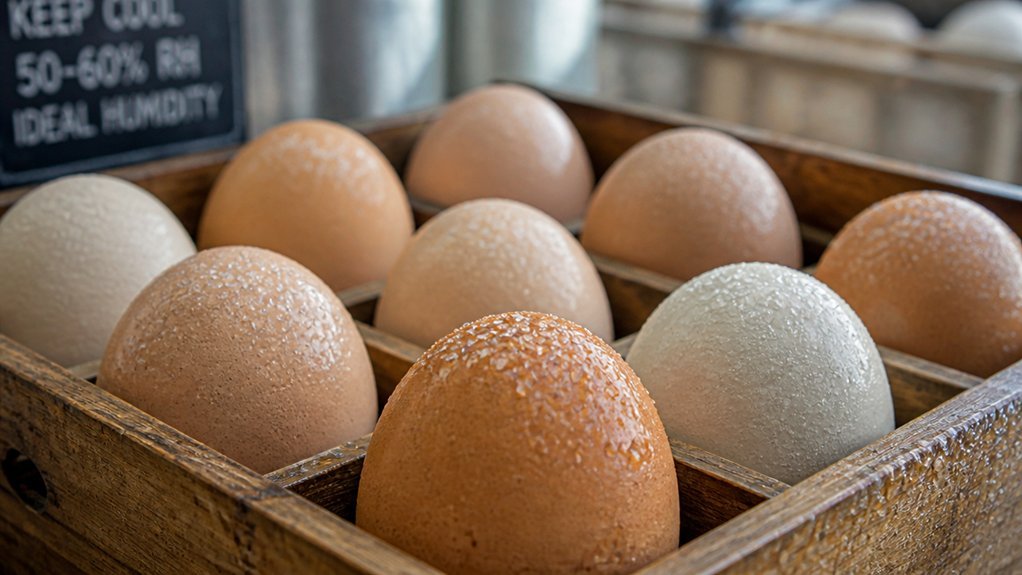
Preventing moisture in egg storage matters because dampness weakens shells, removes the protective bloom, and lets bacteria move through pores more easily. You also risk condensation, mold, faster spoilage, and cracked eggs during handling. Keep eggs dry by collecting them promptly, storing them in clean, ventilated containers, and avoiding washing unless necessary. Dry storage helps eggs stay safer, fresher, and tastier for longer, and the next steps show you how to do it well.
Why Moisture Harms Stored Eggs
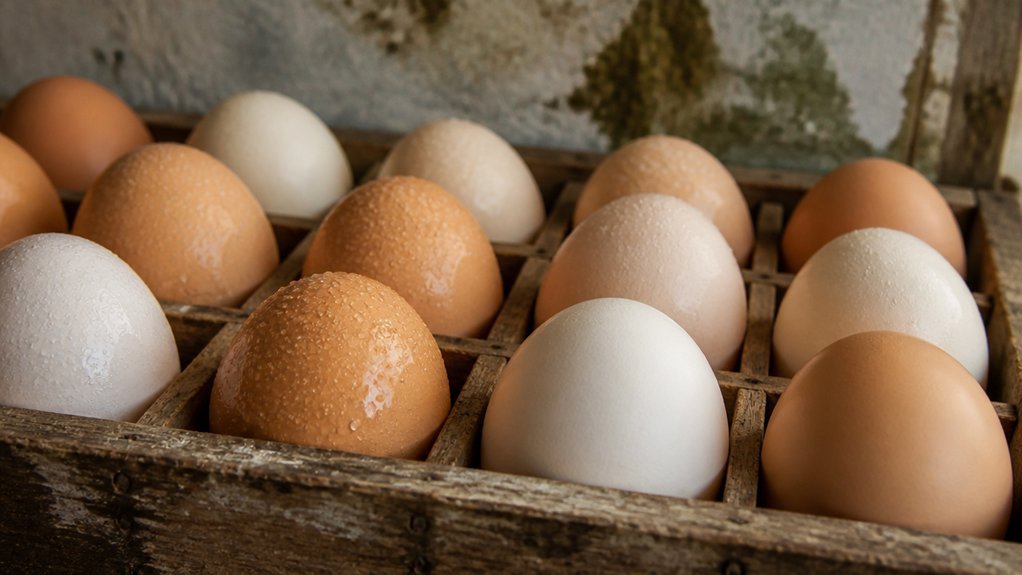
Moisture is one of the biggest threats to stored eggs because it can weaken the shell and create the right conditions for bacteria to grow. When water lingers on the surface, it can seep through tiny pores and carry contaminants inside. That raises the chance of spoilage and makes the egg less safe to eat. Proper packaging solutions, like food-safe materials, help prevent excess moisture exposure and protect eggs during storage. Excess dampness also speeds up quality loss by damaging the protective bloom that helps shield the contents. As the shell softens, it becomes easier for cracks to spread during handling. You may also notice faster odor changes and a thinner, less stable white. If you ignore moisture, you reduce both freshness and food safety. Keeping eggs dry protects structure, slows decay, and helps you store them with confidence.
How to Keep Eggs Dry After Collection
Once you understand how water damages stored eggs, the next step is to keep them dry from the moment you collect them. You should gather eggs promptly, especially after rain or in damp bedding, so they don’t sit in moisture. Use a clean, dry basket or carton, and line it with a towel if the shells feel cool or clammy. Handle each egg gently, because cracks let moisture seep in fast. If you collect eggs from grass, brush off dirt with a dry cloth instead of leaving them exposed to wet hands or surfaces. Move them indoors right away, then set them in a dry, ventilated spot away from sinks, steam, and condensation. Good habits at collection protect freshness and help eggs stay safe until storage. Additionally, choosing protective egg organizer features like covered lids can prevent excess moisture from entering once stored.
Why Washing Eggs Can Raise Moisture Risk
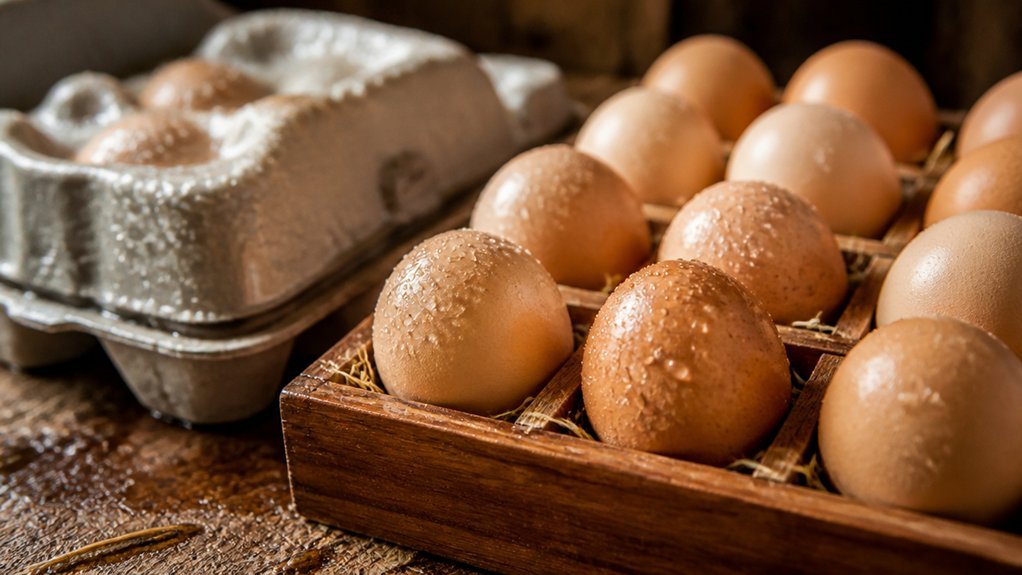
Washing eggs can seem like a quick fix, but it often adds the very moisture you’re trying to avoid. When you rinse eggs, water can seep through the shell’s pores and carry dirt inward instead of just removing it. Even a brief wash strips away the natural protective coating that helps keep the shell drier and safer. Once that barrier is gone, the egg absorbs humidity more easily during storage. You’ll get better results by handling eggs gently, brushing off loose debris when needed, and keeping them from sitting in damp conditions. Proper storage techniques, including using lead-free stoneware or ceramic crocks with water-seal lids, can help maintain optimal moisture balance. That way, you protect the shell and reduce the chance of moisture-related spoilage.
Best Containers for Dry Egg Storage
Choose containers that keep air and dampness out, such as clean cartons, lidded plastic bins, or wire baskets set in a dry spot. You should pick containers that stay clean, open easily, and let you inspect eggs without handling them too much. A cardboard carton works well when it’s dry and intact, while a plastic bin with a tight lid adds extra protection from splashes and condensation. If you use a wire basket, place it where nothing can drip onto it, and line it with a dry paper towel if needed. Don’t stack eggs loosely in bags or uncovered bowls, because they invite moisture and breakage. Label containers so you can rotate stock quickly and keep older eggs easy to reach. Using breathable cartons helps maintain freshness and prevents moisture buildup inside the container.
The Best Temperature and Humidity for Egg Storage
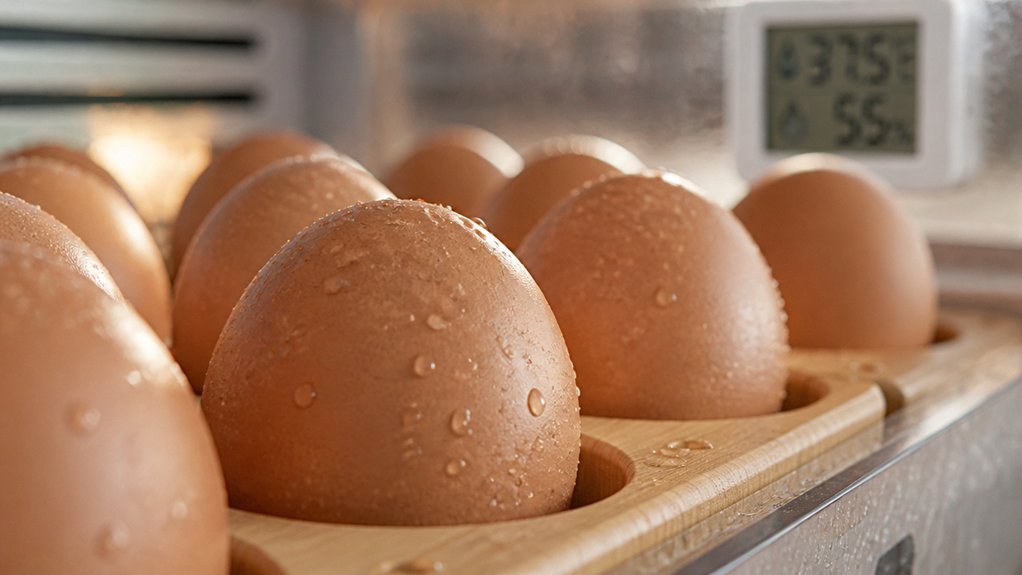
For dry, safe egg storage, you want a cool, steady spot with low humidity—ideally around 45 to 55°F and well away from sinks, stoves, and sunny windows.
You’ll keep eggs fresher when you avoid temperature swings, because warmth and cooling can draw moisture onto shells. Aim for a relative humidity below 70%, since damp air raises your risk of spoilage and mold.
If you store eggs in a fridge, keep them in the main compartment, not the door, where conditions change more often.
In a pantry or cellar, choose the driest shelf and monitor the space with a simple thermometer and hygrometer.
Maintaining proper humidity control helps prevent moisture buildup, which can compromise egg quality and promote bacterial growth.
When you maintain stable, dry conditions, you help protect shells, preserve quality, and reduce waste.
How to Spot Condensation Before It Spreads
Condensation can show up fast, so check egg shells and storage surfaces often for tiny beads of moisture. Look for dull patches, foggy lids, or a slick feel on cartons and trays. A pest-resistant environment helps prevent mold and bacterial growth that can result from excess moisture. You can also spot early warning signs when shells seem cooler than the air around them. Use clean, dry hands to lift eggs briefly and inspect the contact points underneath. If you notice moisture, wipe the area right away with a dry cloth and keep watching for new droplets. Pay close attention after bringing eggs in from a colder place, since temperature shifts often trigger buildup.
Egg Storage Mistakes That Trap Moisture
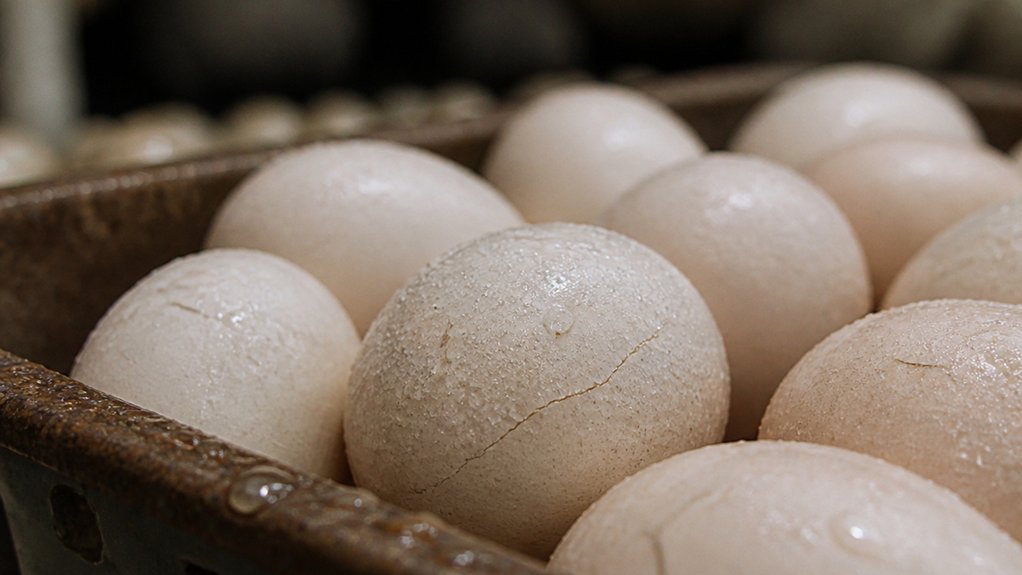
You can trap moisture in your egg storage if you put warm eggs straight into the fridge.
Sealed containers without ventilation can also hold in condensation and leave eggs damp.
Let the eggs cool first, and use storage that allows air to circulate. A well-ventilated container material quality can help prevent moisture buildup while maintaining egg safety.
Warm Eggs in Fridge
When you put warm eggs straight into the fridge, the sudden temperature change can make moisture form on the shell. That dampness can weaken freshness and encourage needless spoilage, so let eggs cool at room temperature first. Using proper nesting for storage helps maintain consistent conditions that prevent moisture buildup. You can protect them by handling them with care and storing them promptly once they’re no longer warm.
- Let eggs cool before chilling them.
- Move them away from heat sources.
- Check for condensation before storage.
- Keep storage areas consistently cool.
- Use older eggs first.
This simple pause helps you avoid trapped moisture and keeps the shell drier. You’ll also reduce temperature swings that stress the eggs.
A little patience now makes your storage cleaner, safer, and more effective later.
Sealed Containers Without Ventilation
Even after eggs cool properly, a sealed container with no airflow can still trap moisture against the shell. When you close eggs inside a tight box or plastic bin, humidity has nowhere to escape. That damp air can condense on the shells, soften labels, and create a better environment for bacteria if the eggs weren’t fully clean and dry. Using a rotation system helps ensure eggs are used within their freshness window and reduces the risk of moisture buildup. You should use a carton, perforated container, or any storage method that lets air circulate lightly. Keep the lid from locking moisture in, and avoid stacking eggs in wet produce drawers or crowded shelves. If you spot condensation, move the eggs out, dry the container, and let everything air out before storing them again. Small airflow habits help keep shells drier and storage safer.
How to Test Stored Eggs for Freshness
To check stored eggs for freshness, you can start with the float test: place an egg in a bowl of water and see if it sinks or stands. If you want a closer look, crack the egg into a clean bowl and check the yolk and white for color, smell, and texture. Additionally, observing the date wheel clarity on packaged eggs can help determine if the eggs are still within their optimal freshness window. These simple steps help you spot eggs that may have picked up too much moisture or started to spoil.
Float Test Method
A simple bowl of water can tell you a lot about stored eggs. Fill it with cool water, then lower each egg in gently and watch what happens.
If it sinks and lies flat, you’ve got a fresher egg. If it stands upright on the bottom, it’s older but may still be usable soon. If it floats, moisture loss and air buildup have likely made it unsuitable for eating.
- Use cool, clean water
- Test one egg at a time
- Handle eggs softly
- Read the position carefully
- Discard floaters promptly
This method works because aging changes the egg’s internal air cell. You don’t need special tools, and you can check storage quality in seconds.
Crack And Check
When you’re unsure about a stored egg, crack it into a clean bowl before you cook it. You can spot trouble fast: a fresh egg keeps a firm yolk, thick white, and mild smell.
If the white spreads very thin, the yolk breaks easily, or you notice sulfur, rotten, or sour odors, toss it out. Check for unusual colors too, like pink, green, or black, since those can signal spoilage.
Don’t taste an egg to test it, and don’t mix it with other ingredients until you’ve inspected it. This simple crack-and-check step helps you catch hidden damage from moisture, storage changes, or aging before it reaches your pan.
If anything looks or smells off, discard the egg and choose another one.
Frequently Asked Questions
Can Moisture Affect Eggshell Strength During Long Storage?
Yes, moisture can weaken eggshell strength during long storage because it softens and degrades the shell’s protective structure. You’ll reduce damage by keeping eggs dry, cool, and sealed from humidity.
Does Refrigerator Cycling Increase Hidden Egg Moisture?
Yes, refrigerator cycling can increase hidden egg moisture. You create temperature swings that draw condensation onto shells, and moisture may seep through pores. Keep eggs cold and steady, and you’ll reduce that risk.
Should Eggs Be Stored With the Pointed End Down?
Yes, you should store eggs pointed end down. You’ll keep the air cell at the top, help protect the yolk, and reduce stress on the shell, which can slightly improve freshness during storage.
Can Desiccants Help in Egg Storage Containers?
Yes, you can use desiccants in egg storage containers to absorb excess moisture. You’ll help keep the environment drier, but don’t let packets touch eggs directly, and still store them cool and clean.
Do Carton Materials Influence Moisture Buildup Around Eggs?
Yes, you’ll notice carton materials affect moisture buildup around eggs. You’ll get less condensation with breathable cardboard than with plastic, while coated cartons can trap humidity. Choose material that lets air circulate and keeps eggs dry.
In Summary
Keeping moisture out of your egg storage setup helps you protect freshness, reduce spoilage, and avoid bacteria that can spread fast in damp conditions. You can do a lot by handling eggs gently, choosing dry containers, and watching temperature changes closely. If you keep eggs clean, cool, and dry, you give them the best chance to stay safe and usable longer. Stay alert for condensation, and your stored eggs will thank you.