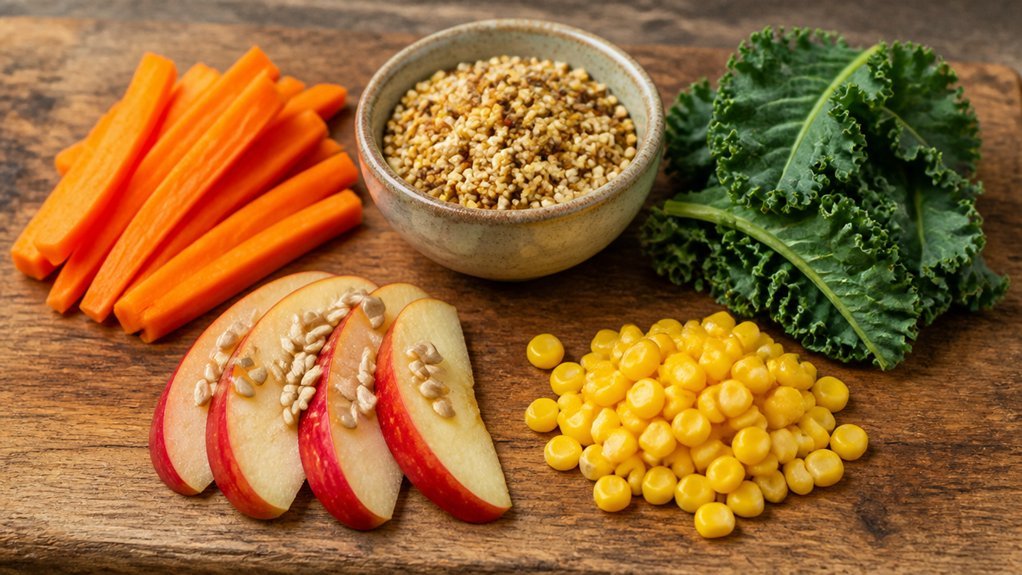
Chicken farming without antibiotics means you raise your birds without using antibiotics for routine prevention or growth. You focus on clean housing, fresh water, balanced feed, good ventilation, enough space, and strong biosecurity to keep the flock healthy. You also watch birds closely, separate sick ones fast, and call a vet when needed. This approach helps you build a healthier, lower-input flock and understand what really keeps chickens thriving, as you’ll see next.
What Antibiotic-Free Chicken Farming Means
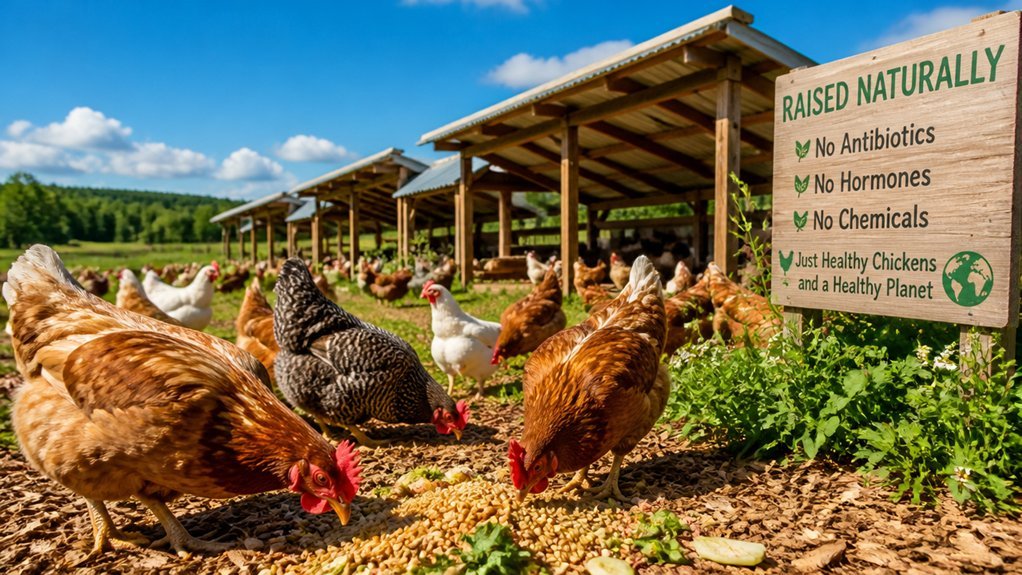
Antibiotic-free chicken farming means raising chickens without giving them antibiotics to prevent disease or speed growth. You manage flock health with clean housing, fresh water, balanced feed, good ventilation, and careful biosecurity.
Antibiotic-free chicken farming relies on clean housing, fresh water, balanced feed, and careful biosecurity.
You watch birds closely, because you can’t rely on routine medication to mask problems. When you keep chicks dry, reduce crowding, and limit stress, you help them resist illness naturally.
A well-designed chicken coop with proper ventilation and predator protection supports overall flock health and minimizes disease risks.
If a bird gets sick, you may need to separate it and consult a veterinarian about treatment choices that fit your program. This approach focuses on prevention, not quick fixes, so you must stay consistent every day.
You also track records closely to protect flock health and maintain standards.
Why Backyard Keepers Choose It
Backyard keepers often choose antibiotic-free chicken farming because it fits a small-scale, hands-on way of raising birds.
You may like the idea of watching your flock grow with less reliance on routine medication and more attention to natural resilience. This approach can also match your values if you care about producing meat or eggs in a way that feels more transparent and personal. You stay closely connected to your birds, so you can notice changes in behavior and health more easily.
For many people, that direct relationship is the biggest draw. You also may appreciate the sense of self-reliance it brings, since your flock becomes part of a more thoughtful, low-input backyard system. Additionally, using poultry wound sprays can help maintain your birds’ health naturally without antibiotics, supporting their recovery and reducing stress from pecking injuries.
How to Raise Chickens Without Antibiotics
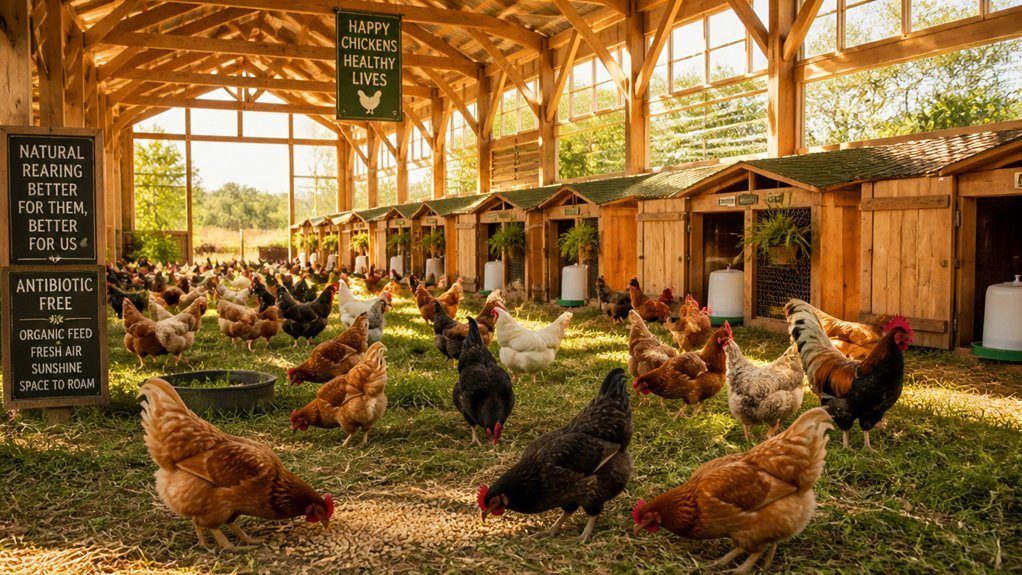
To raise chickens without antibiotics, you need to focus on prevention first: give your birds clean housing, fresh water, balanced feed, good ventilation, and enough space to reduce stress and disease pressure.
You should also watch them closely each day so you can spot early signs of illness, such as droopy posture, poor appetite, coughing, or unusual droppings. When one bird looks off, separate it quickly and check the rest of the flock.
Keep your hands, tools, and boots clean to limit germ spread. Support immunity with steady routines, low stress, and protected shelter from weather and predators.
If birds worsen, contact a poultry vet right away. Quick action and careful management help you keep birds healthy without relying on antibiotics.
Feed, Space, and Coop Hygiene Essentials
Even a strong flock can get sick if feed, space, and sanitation slip, so you should keep chickens on a balanced ration, provide enough room to move without crowding, and clean the coop regularly to reduce disease pressure.
Use large walk-in coops with accessible removable trays for easier cleaning and waste management. Offer fresh feed that matches their age and production stage, and keep waterers clean and easy to reach. Don’t pack birds tightly; overcrowding raises stress and lets waste build up fast. Use dry bedding, remove soiled litter often, and scrub feeders and drinkers before grime spreads. Good airflow helps control moisture, while tidy nest boxes keep eggs cleaner.
When you manage nutrition, stocking density, and hygiene together, you give your flock a healthier environment and cut the chances that minor problems turn into costly setbacks.
How to Prevent Chicken Disease Naturally
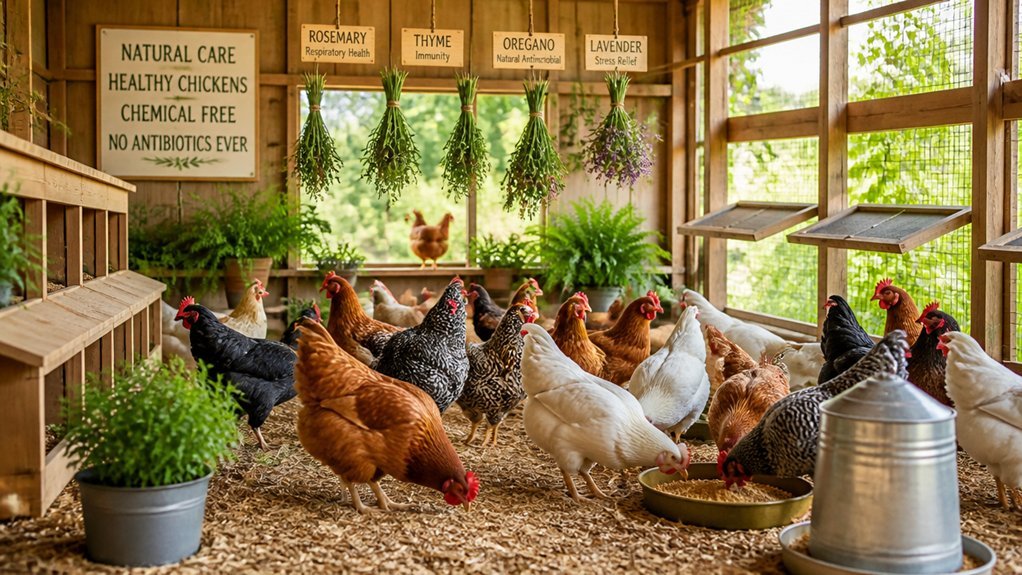
Natural disease prevention starts with daily habits that keep your flock’s immune system strong and its exposure to germs low. You should offer clean water every day, balanced feed, and fresh greens when available, because good nutrition helps birds resist stress.
Daily clean water, balanced feed, and fresh greens help chickens stay strong and better resist stress.
Using light-blocking designs in waterers can reduce algae growth and slime, helping maintain cleaner drinking water. Keep litter dry, remove droppings often, and scrub feeders and drinkers before buildup spreads bacteria. Limit visitors, isolate new birds for a short period, and wash your hands after handling other flocks. You can reduce parasites by rotating outdoor areas and avoiding overcrowding. Provide shade, ventilation, and enough roosting space so chickens aren’t stressed. Watch for changes in appetite, droppings, or energy, and act quickly to restore comfort, cleanliness, and calm. Consistent routines give your flock the best natural defense.
When a Sick Chicken Needs a Vet
Sometimes a chicken can recover with rest, warmth, and careful monitoring, but some signs mean you need a veterinarian right away. You should call if your bird can’t stand, breathes with obvious effort, stops eating, or becomes severely weak.
Bloody droppings, a swollen abdomen, twisted neck, or repeated seizures also need prompt help. If you notice a wound that’s deep, dirty, or maggot-infested, don’t wait.
Isolate the chicken in a clean, quiet space, offer fresh water, and keep the environment warm while you arrange care. You can’t diagnose every illness at home, and delays can make recovery harder. A vet can identify the cause, relieve pain, and tell you whether the flock needs extra monitoring or testing.
Proper disinfection and hygiene are crucial in preventing the spread of disease within your flock.What Antibiotic-Free Labels Really Mean
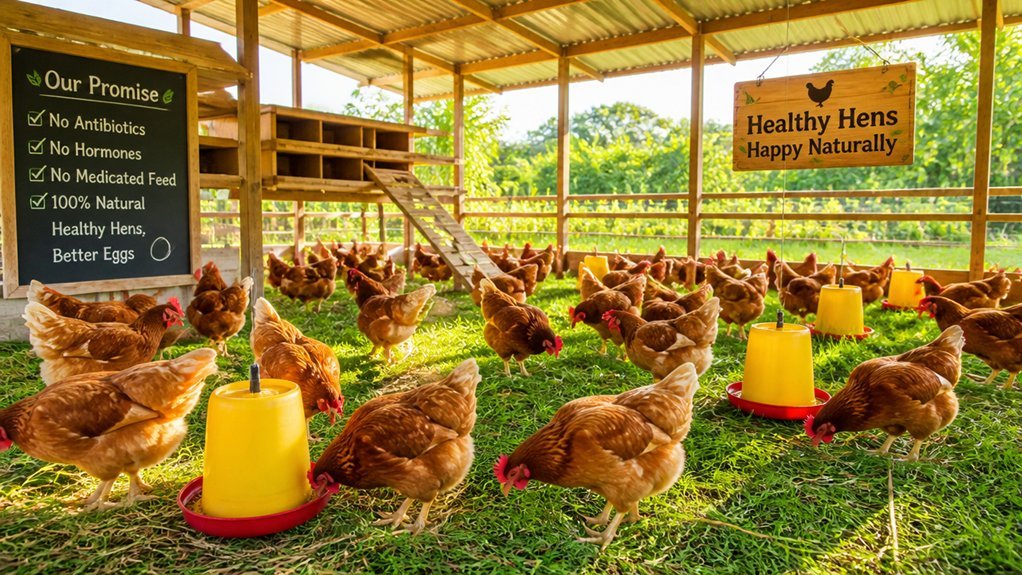
After you’ve ruled out emergencies and gotten veterinary help when needed, the next question is often what “antibiotic-free” actually means. On poultry labels, it usually means the birds weren’t given antibiotics during their lives, or that the seller stopped using them before harvest. It doesn’t always mean the flock was healthier, untreated, or raised with zero medication forever.
You should also know that rules vary by country and brand, so the claim can cover different practices. Some producers use vaccines, probiotics, better ventilation, and cleaner bedding to reduce disease risk instead of relying on drugs.
Additionally, understanding electrolyte balance and how supplements support flock health can be an important part of reducing medication reliance without compromising bird well-being.
When you shop, look for clear certification details and ask how the birds were managed, because the label alone won’t tell you everything about welfare, biosecurity, or food safety.
Frequently Asked Questions
Can Antibiotic-Free Chickens Still Get Vaccinated?
Yes, you can vaccinate antibiotic-free chickens, and farmers often do. Vaccines help protect them from disease without using antibiotics, so you’re supporting healthier birds while still keeping production standards antibiotic-free and responsible.
Does Antibiotic-Free Farming Affect Egg Production?
Yes, you can see changes in egg production if management isn’t strong, because healthier birds lay better. You’ll need excellent nutrition, low stress, biosecurity, and prompt care to keep output steady without antibiotics.
How Long Does Antibiotic-Free Chicken Take to Mature?
You’ll usually wait about 6 to 8 weeks for broilers to mature without antibiotics, though breeds, feed, and care affect timing. You can’t rush growth much, but you can support healthy development with good management.
Are Antibiotic-Free Chickens More Expensive to Raise?
Yes, you’ll usually pay more to raise antibiotic-free chickens because you’ll need better housing, stricter biosecurity, and more labor. You also risk higher losses, so your feed and care costs often increase.
Can You Mix Antibiotic-Free and Medicated Flocks?
Yes, you can mix them, but you shouldn’t. You’ll risk cross-contamination, confuse records, and weaken your antibiotic-free label. Keep separate housing, equipment, and biosecurity so you protect both flocks and market claims.
In Summary
Raising chickens without antibiotics can work well when you focus on clean feed, good space, and steady coop hygiene. You’ll also give your flock the best chance to stay healthy by preventing disease early and watching for signs of illness. If a bird gets sick, don’t wait too long to call a vet. Remember, antibiotic-free labels can mean different things, so always check what they really promise before you buy or raise your birds.