
You can protect your coop on a budget by checking weak spots weekly, especially at dusk, and fixing gaps, warped frames, loose boards, and bad latches right away. Swap chicken wire for 1/2-inch hardware cloth, and bury mesh around the run to stop digging predators. Add motion lights, trim brush, and lock birds up before dark. Store feed in sealed containers, and use a flashlight nightly to make sure every chicken’s inside before you shut the door.
Find the Weak Spots in Your Coop
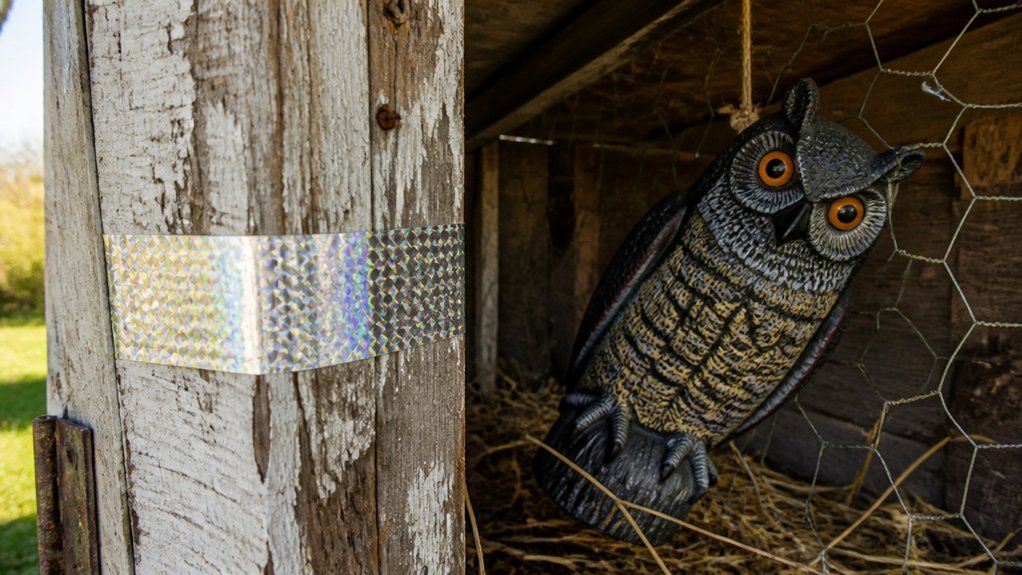
Before you add stronger locks or extra fencing, inspect your coop for the weak points predators love to exploit. Walk around it at dusk, when gaps and damage stand out. Check doors, vents, corners, and roof seams for openings, loose boards, warped frames, and rusted fasteners. Look for signs of digging, chewing, scratching, or bent metal that show repeated pressure.
A no-dig installation approach can help identify hidden vulnerabilities around the perimeter that might not be immediately visible. Test every latch and hinge, because a sloppy closure can invite trouble fast. Inside, notice dark corners where birds might crowd and where an intruder could hide. Also study the run, especially where panels meet posts or the ground slopes.
Mark each problem so you can fix it methodically, and don’t ignore small flaws, since predators often exploit the tiniest weakness.
Install Hardware Cloth on Chicken Coop Openings
You should cover every vent opening with hardware cloth so predators can’t squeeze through or tear it apart.
Fasten it tightly over weak spots around the coop, including corners and gaps near doors. This simple upgrade strengthens your coop and helps keep your flock safe.
Secure Vent Openings
Even small vent openings can give predators an easy way into your chicken coop, so cover every gap with sturdy hardware cloth instead of loose wire mesh. Cut each piece so it overlaps the frame by at least an inch, then fasten it with screws and washers for a tight hold.
Check roof vents, eaves, and side openings, since raccoons and weasels can reach through surprisingly small spaces. If you need airflow, use cloth with small enough spacing to block paws and snouts while still letting fresh air move through.
Using approved mesh size, such as 1/2 inch, ensures your hardware cloth will effectively block small predators while maintaining good ventilation. After you install it, inspect the vents regularly for rust, bent edges, or loose fasteners. Replacing damaged sections quickly helps you keep your flock safe without spending much.
Reinforce Coop Weak Points
After covering vents, turn your attention to the other weak spots in the coop and strengthen every opening predators could exploit. Check doors, windows, corners, and gaps around the roofline.
Cut hardware cloth to fit each area, then fasten it with screws and washers so raccoons can’t pry it loose. Don’t rely on chicken wire; it keeps chickens in, but it won’t stop teeth or claws.
Use small openings and overlap seams to eliminate access points. You’ll save money by repairing vulnerable spots now instead of replacing birds later.
- Measure each gap before cutting hardware cloth.
- Secure edges tightly with exterior screws and washers.
- Inspect weekly for rust, loose fasteners, or new damage.
- Choosing electric fencing with proper voltage can also serve as an effective additional predator deterrent, especially around larger openings.
Secure Doors, Latches, and Hinges
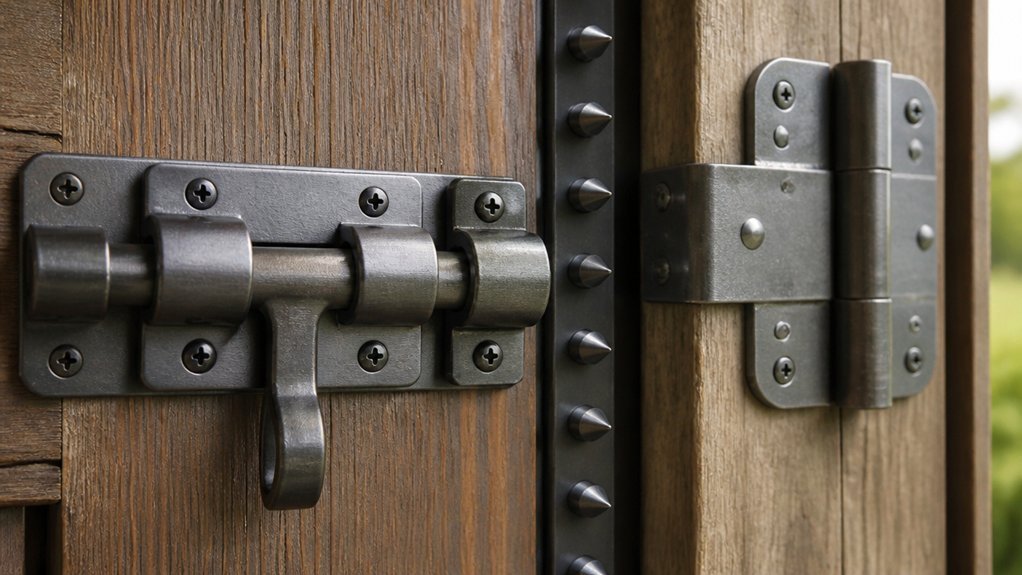
Start by inspecting every door, latch, and hinge around your home for weak spots that a predator could exploit. You’ll want sturdy frames, tight-fitting doors, and hardware that won’t flex under pressure. Replace bent hinges, add longer screws, and choose locks that snap shut reliably. Keep latches aligned so they don’t slip when animals push or peck at them. For added security, consider weatherproofing your coop doors to withstand harsh elements and prevent access points from weakening over time.
| Part | What you check | Quick fix |
|---|---|---|
| Door | Gaps, warping | Adjust or replace |
| Latch | Loose catch | Tighten or swap |
| Hinge | Rust, wobble | Lubricate or upgrade |
| Lock | Weak closure | Add a stronger one |
Test everything daily, especially after wind or repeated use. If a door sticks, fix it now; a small problem can become a costly breach.
Bury Wire to Reinforce the Run
You can bury wire mesh several inches deep around the run to stop predators from digging underneath. Extend the mesh outward and reinforce the perimeter floor so animals can’t push in from the sides or below. This extra barrier gives your run a stronger defense and helps keep your birds safe. Incorporating post materials such as double-spiked galvanized stakes can further improve stability and deter predators from attempting to dislodge the fencing.
Bury Mesh Deep
Bury the wire mesh at least 12 inches deep around the run, and bend the bottom outward to form an underground apron that blocks digging predators. This cheap upgrade helps you stop dogs, coyotes, and foxes before they ever reach your birds.
Dig a narrow trench, set the mesh snugly, and pack the soil firmly so gaps don’t stay open. Use galvanized hardware cloth, not flimsy chicken wire, because predators can tear weak material fast.
One additional tip is to ensure the mesh material is tear-resistant and durable, providing long-lasting protection against sharp predator claws and teeth.
- Check for soft spots after rain.
- Cover sharp edges so you won’t get cut.
- Inspect the trench line monthly for lifting.
When you keep the mesh deep and tight, you add a strong barrier without spending much, and your run stays safer day after day.
Reinforce Perimeter Floor
Lay wire along the perimeter floor to stop predators from digging under the run. Use sturdy hardware cloth or welded wire, then overlap seams by several inches. Anchor the edges with landscape staples, soil, or pavers so animals can’t lift them.
If you already buried mesh, this extra layer adds a flat barrier that weakens persistent digging. Extend the wire a few feet outward from the enclosure if possible; that makes tunneling harder and buys you time to spot trouble.
Check low spots after heavy rain, since erosion can expose gaps. You should also inspect corners and gate bottoms, where predators often test weak points first. For added security, consider predator-resistant materials that withstand attempted breaches by larger animals.
This simple reinforcement costs little, installs fast, and gives your flock stronger protection without rebuilding the whole run.
Add Motion Lights Near the Coop
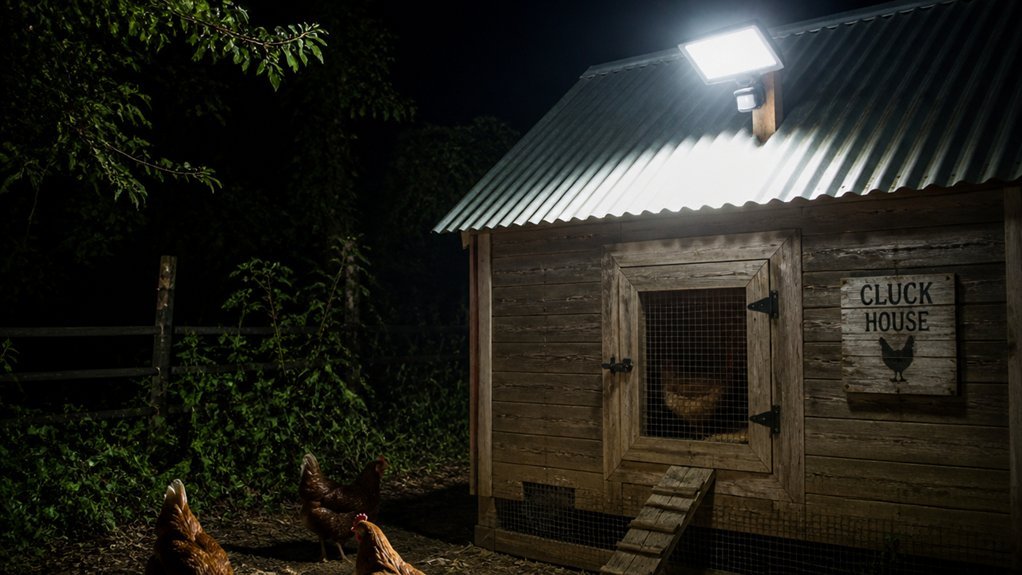
Motion lights can make predators think twice before approaching the coop, since a sudden burst of light often startles nocturnal visitors and exposes movement they’d rather avoid. You can mount them where they cover the coop entrance and any dark corners without shining into your birds’ nesting area. Choose weatherproof, battery-powered, or solar models to keep costs down and installation simple. When you position them well, you’ll make the yard feel less inviting after sunset.
- Aim each light at common approach paths.
- Test the sensor range before nightfall.
- Clean the lens so detection stays sharp.
- Consider sensor placement carefully to maximize coverage and effectiveness.
You should also check the settings often, because a light that’s too sensitive can waste power, while one that’s too weak may miss a prowling threat.
Use Predator Deterrents Outside the Coop
Once you’ve brightened the area around the coop, add deterrents in the wider yard to make predators uneasy before they even reach your birds. Hang reflective tape, old CDs, or shiny pinwheels on posts, fences, and nearby trees. Their movement and flash can spook hawks, raccoons, and stray dogs.
You can also spread strong scents with predator-safe repellents around property edges, renewing them after rain. Keep brush piles, tall weeds, and debris cleared so animals can’t hide while they stalk your flock. If your budget allows, install a simple fence line with buried wire or mesh where predators commonly enter.
Rotate deterrents every few weeks so wildlife doesn’t get used to them. Using secure hardware features like lockable latches and self-latching designs can further prevent raccoons from gaining access to your coop. Small changes outside the coop can protect your birds without costing much.
Lock Chickens Up Before Dark
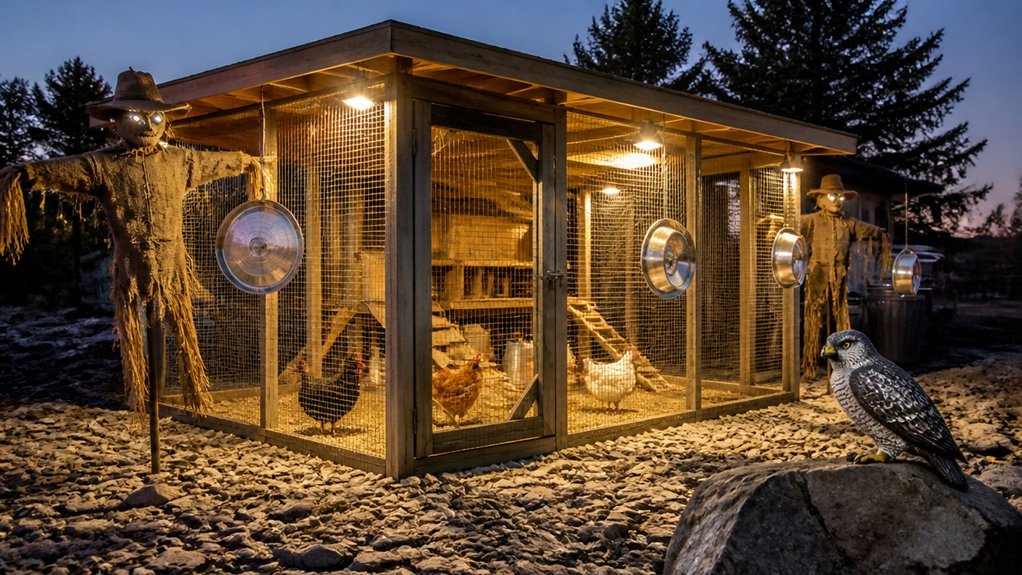
As dusk approaches, get your flock back into the coop and shut the door before predators start moving. You’ll cut risk fast when you make this a strict nightly habit.
Even a short delay can invite raccoons, foxes, owls, and stray dogs to test your setup. Walk the run at sunset, count every bird, and close latches firmly so nothing can slip loose.
- Check that doors swing shut cleanly and the latch bites fully.
- Use a flashlight to spot any chicken still roosting outside.
- Lock up at the same time each evening so your flock learns the routine.
- Ensure all access doors and windows have predator-resistant latches and secure locking mechanisms to prevent unwanted entry.
If you’re away, ask a neighbor or family member to handle closing duties. Consistency protects birds better than guesswork, and it costs nothing.
Store Feed in Sealed Containers
You should store your feed in airtight containers so pests can’t smell or reach it. Choose rodent-proof bins that keep rats and mice from chewing through and contaminating the food.
Keep those containers in a dry feed area to protect the feed’s quality and reduce attraction for predators.
Airtight Storage
Keep feed in airtight, sealed containers so predators can’t smell it from a distance or chew through the packaging. You’ll cut off easy food cues and make your storage area less attractive overnight.
Choose lids that lock tightly, and check each one after every use. When you scoop feed, close the container right away instead of leaving bags open. If you spill grain, sweep it up quickly so scent doesn’t linger.
- Use sturdy containers with snug, gasket-style lids.
- Store bags off the ground and away from walls.
- Inspect seals often for cracks, gaps, or warping.
This simple habit helps you protect feed, reduce waste, and keep wildlife from learning where dinner’s waiting.
Rodent-Proof Bins
Rodent-proof bins add another layer of defense by denying mice and rats easy access to feed. You’ll cut spills, block chewing, and keep bait or grain where it belongs. Choose bins with tight lids, sturdy walls, and chew-resistant latches, then close them after every use. Place them on raised stands or pallets so pests can’t hide underneath.
| Bin Feature | Benefit |
|---|---|
| Metal body | Resists gnawing |
| Locking lid | Stops easy entry |
| Smooth sides | Limits climbing |
Check seals weekly and replace cracked containers right away. Label each bin so you rotate stock quickly and avoid overfilling. When you store feed this way, you make your whole setup less inviting to rodents and help protect nearby deterrents from being undermined.
Dry Feed Areas
Dry feed areas work best when you pair sealed storage with a clean, organized layout. You keep feed in airtight bins, lift it off the floor, and sweep up spills right away. This cuts odors that attract raccoons, rodents, and other predators.
You also make it harder for pests to chew through bags or sneak into open sacks.
- Use heavy-duty, lidded containers for grain and pellets.
- Label each bin so you grab the right feed fast.
- Inspect lids, corners, and walls for gaps or gnaw marks.
When you store feed this way, you protect supplies, reduce waste, and discourage nighttime visitors. A tidy dry feed area saves money and helps your whole setup stay safer.
Trim Brush and Cover Near the Coop
Start by clearing tall grass, weeds, and dense brush around the coop so predators have fewer places to hide and stalk your birds. You’ll make it harder for foxes, coyotes, raccoons, and snakes to creep in unnoticed when you keep a wide, open buffer around the building.
Cut back vines, overgrown shrubs, and low-hanging branches that can give animals quick cover. Remove piles of wood, old equipment, and discarded materials nearby, since they can shelter lurking pests.
Keep grass short along paths you use to check birds, refill feeders, and collect eggs. If you have a fence line, trim both sides so you can spot movement fast. A cleaner perimeter also helps you notice tracks, droppings, and other warning signs before trouble grows.
Check and Repair Weak Spots Weekly
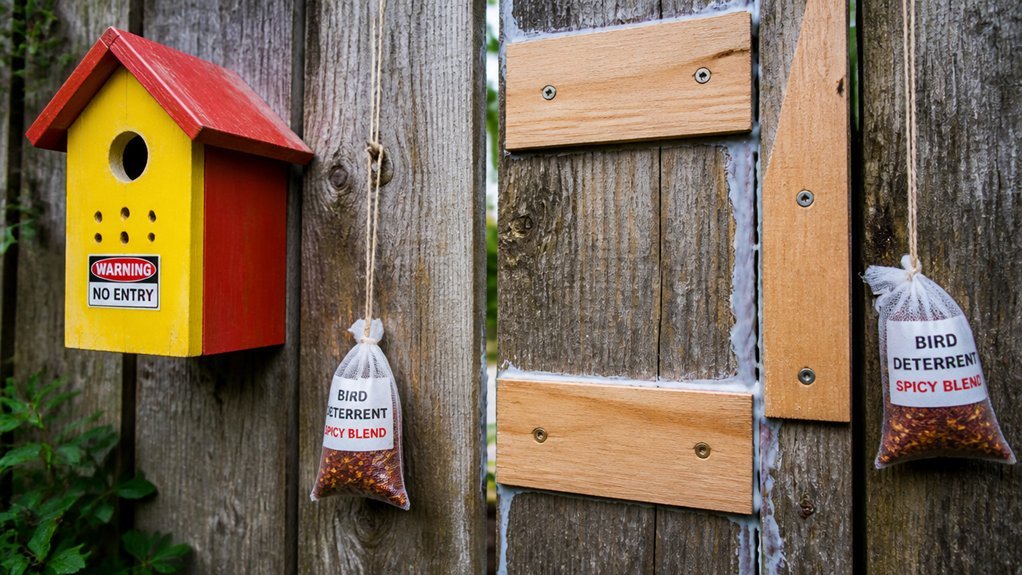
Every week, inspect the coop, run, and fencing for gaps, loose boards, popped nails, rusted wire, or weak latches that predators can exploit. Walk the perimeter after storms, shifting soil, and heavy use, because small problems grow fast.
Inspect the coop and fencing weekly for gaps, loose boards, and weak latches predators can exploit.
Tighten hardware, replace damaged mesh, and secure doors before dusk. You’ll protect birds better when you fix trouble the same day you spot it. Keep a simple repair kit nearby with screws, staples, pliers, wire, and a hammer so you can act quickly.
- Check hinges and locks for wobble.
- Patch holes with sturdy hardware cloth.
- Test every latch and lock it firmly.
Frequently Asked Questions
How Can I Tell if a Predator Has Tested the Coop?
You’ll spot signs like scratch marks, bent wire, disturbed bedding, feathers, footprints, or droppings near the coop. Check doors and latches too; predators often probe weak spots before they return tonight.
Which Inexpensive Deterrents Work Best for Raccoons Specifically?
You’ll get the best results with sturdy hardware cloth, secure latches, motion lights, and bait-free cleanup. You can also use a radio or deterrent spray, but raccoons usually outsmart flimsy fencing and simple scare tactics.
Can I Use Solar Lights Instead of Wired Motion Lights?
Yes, you can use solar lights, and you’ll save on wiring. They’re effective if you place them where raccoons approach. For best results, choose motion-activated models and keep panels clean for reliable nighttime detection.
What Safe Scents Help Discourage Predators Around the Coop?
You can try strong peppermint, citrus, or vinegar scents around the coop, but they won’t guarantee safety. You’ll need to reapply often and keep feed sealed, since odors fade quickly and predators adapt fast.
How Often Should I Replace Worn Deterrent Materials?
Replace worn deterrent materials as soon as you notice fading, tearing, or reduced scent, usually every few weeks. You should check them weekly, and swap them sooner after rain, sun, or heavy predator activity.
In Summary
You can keep predators guessing by staying one step ahead and fixing problems before they start. Check your coop for weak spots, secure every opening, and bury wire where animals try to dig in. Use motion lights, lock your chickens up before dark, and store feed safely. Trim nearby cover and inspect repairs each week. Small, budget-friendly habits like these can make a big difference in keeping your flock safe.