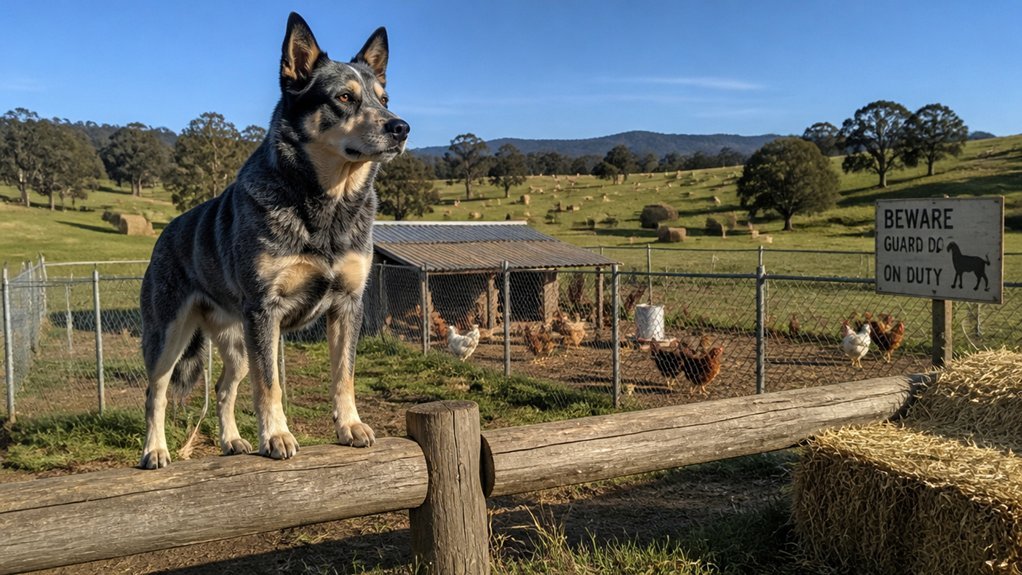
Choose a livestock guardian dog with a calm, steady temperament, strong guardian instinct, and reliable recall around birds. Pick breeds like Great Pyrenees, Anatolian Shepherd, Maremma, Akbash, Kuvasz, or Kangal based on your flock size, acreage, and local predators. Match energy to your setup, and avoid dogs that chase, paw, or fixate on chickens. Start with supervised, bounded introductions and firm training, and you’ll soon see how the right dog protects your flock.
What Makes a Good Chicken Guard Dog?
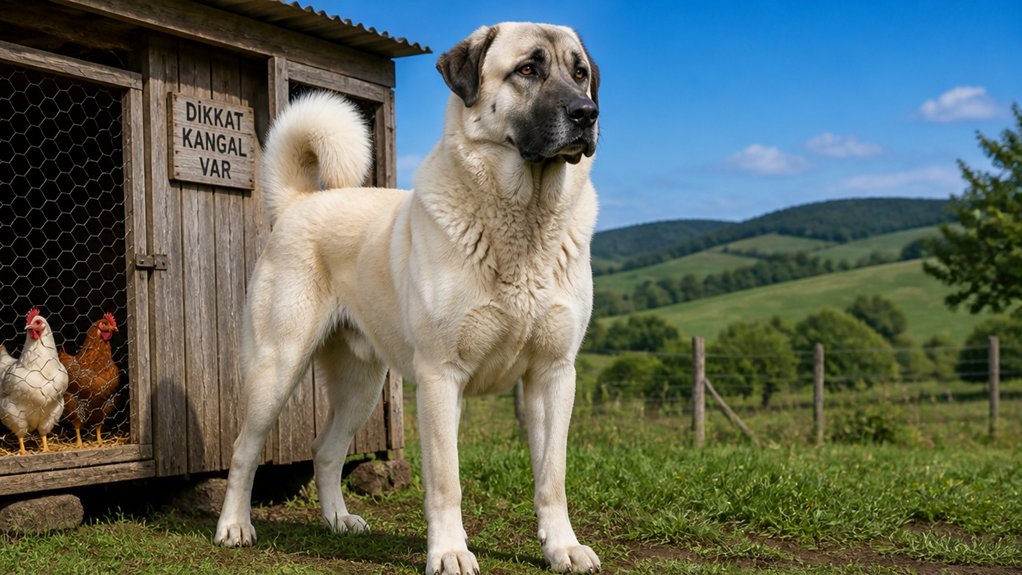
A good chicken guard dog has a calm, steady temperament and a strong instinct to protect without being overly aggressive. You want a dog that watches quietly, reads your flock’s behavior, and responds fast when danger appears. It should stay focused around chickens, ignore distractions, and accept your direction without resistance. Humane deterrence is an important aspect of effective predator management, ensuring that your dog’s actions do not cause unnecessary stress or harm. Reliable boundary awareness matters, because your dog needs to patrol your property and deter predators without chasing birds or causing panic. Good judgment is essential, so it can tell a real threat from harmless movement. You also need patience, since guarding requires long periods of alert waiting. A dog with confidence, trainability, and self-control helps keep your chickens safe while fitting smoothly into your daily routine and farm environment.
Best Chicken Guard Dog Breeds
When you’re choosing among the best chicken guard dog breeds, focus on dogs bred for livestock work, since they usually bring the calm focus, territorial awareness, and steady nerves you need around poultry. Great Pyrenees, Anatolian Shepherds, Maremmas, and Akbash dogs often excel because they watch quietly, bond with your flock, and patrol with purpose.
You can also do well with a Kuvasz or Kangal if you want a powerful, independent guardian. These breeds tend to think before they act, which helps you avoid chaotic reactions around hens. Look for a dog that matures steadily, responds to training, and stays reliable outdoors.
Proper fencing height and secure enclosures are also crucial to support your guard dog’s efforts and prevent predators from gaining access, especially when using electric poultry fence kits that effectively deter predators at night.
With the right breed, you’ll get a vigilant partner that fits into your routine and helps keep your chickens protected day and night.
Choose a Breed Based on Predators
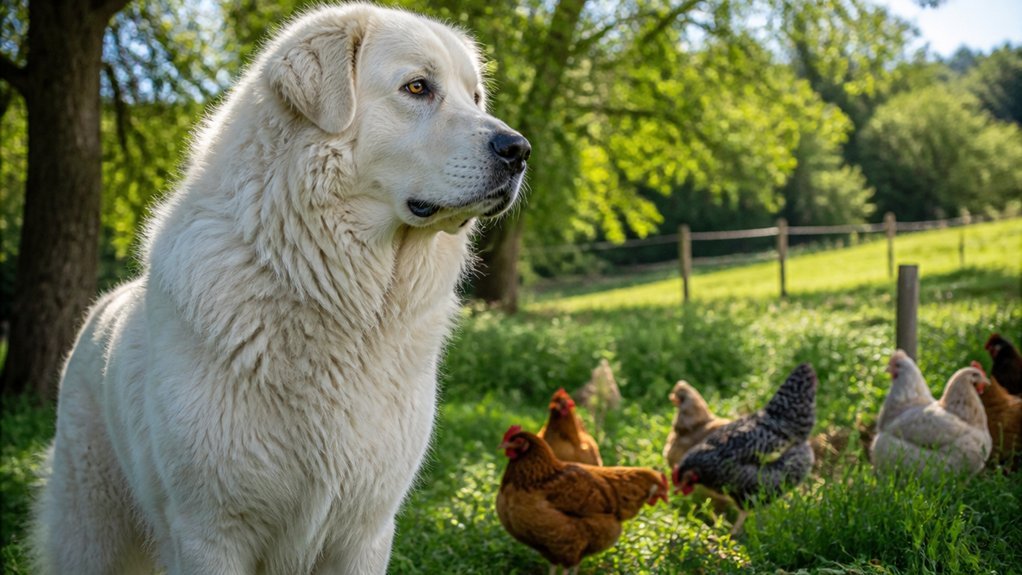
You should first assess the predators in your area, since coyotes, foxes, raccoons, and even birds of prey call for different protection.
Then match the breed to the threats you face so your dog’s size, speed, and alertness fit your flock’s needs.
A strong protective instinct is essential because that trait helps it stay focused on guarding your chickens. Additionally, consider the electric fencing features available that can complement your dog’s efforts in deterring predators.
Assess Local Predator Risks
Before you pick a guard dog, match the breed to the predators in your area. Walk your property at dawn and dusk, note tracks, scat, holes, and missing birds. Ask neighbors, game wardens, and local farmers what keeps coming back. Coyotes, foxes, raccoons, hawks, and stray dogs leave different clues, and each clue matters. Understanding the fence height can help determine how vigilant your dog needs to be in conjunction with physical barriers. If you see climbing damage, choose a dog that stays alert near coops and fencing. If you have fast, bold ground predators, you need a dog with strong presence and constant patrol habits. Keep records after each loss or scare, so you can adjust your choice before the next attack.
Match Breed to Threats
Now that you know which predators are visiting, match the dog’s job to the threat.
If coyotes stalk your coop, choose a breed with size, speed, and the nerve to confront a roaming danger.
If foxes sneak in at dawn, pick a dog that stays alert near the flock and patrols calmly.
For raccoons, you need a dog that notices small, bold intruders and reacts fast.
In bear country, go with a larger breed that can hold ground and discourage approach.
Don’t choose by looks alone; choose by how the breed handles your local pressure.
Selecting a dog with the appropriate hardware cloth durability can enhance overall protection, ensuring the barrier effectively complements your canine’s efforts.
A good match lowers chaos, protects hens, and makes training easier because the dog’s natural style fits the job.
Prioritize Protective Instincts
Protective instincts matter more than a flashy pedigree, because the best chicken guardian is wired to notice danger and respond without hesitation. You want a dog that scans, alerts, and positions itself between hens and predators. If coyotes, foxes, or stray dogs prowl your land, pick a breed known for steady vigilance and quick judgment. Watch how puppies react to noise, strangers, and movement; confident caution beats nervous barking. Ensuring the dog’s environment includes heavy-duty wire mesh can enhance their natural guarding ability.
Match Breed Energy to Your Flock
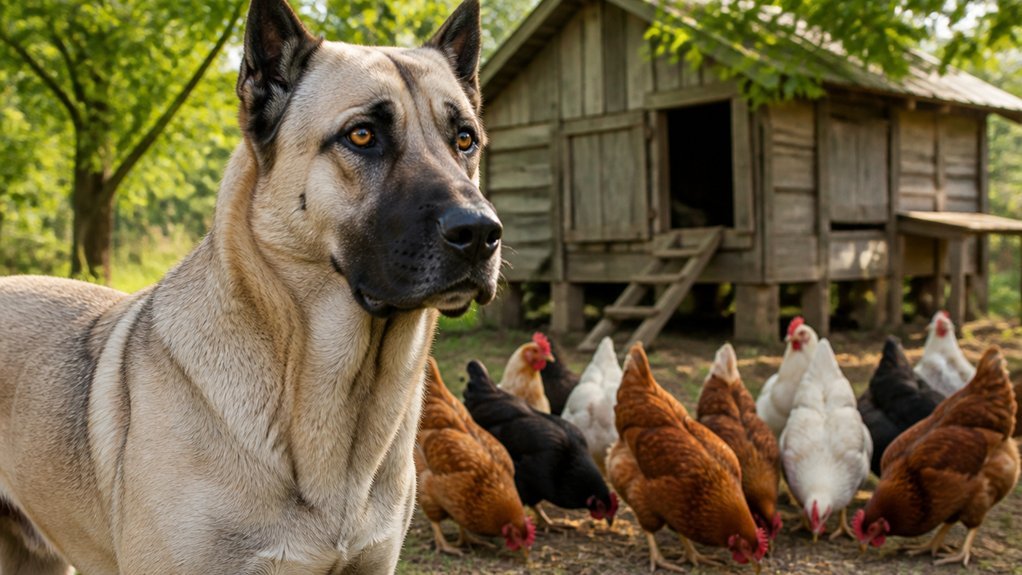
You’ll want a guard dog whose energy matches your flock’s size and pace, so neither the dog nor the chickens gets stressed.
A high-energy breed can overwhelm a small, quiet flock, while a calmer dog often fits better with steady hens. When you choose a mellow breed, you give your chickens protection without constant disruption.
Energy Levels And Flock Size
A guard dog’s energy level should match the size and pace of your flock, because a high-drive breed can overwhelm a small backyard setup, while a low-energy dog may not keep up with a larger, more active group. You need a dog that patrols without stirring panic, so assess daily movement, yard size, and how often birds range. Using a durable enclosure that provides ample space allows the dog to patrol effectively without causing stress. 1. Match stamina to acreage. 2. Watch how the dog redirects excitement. 3. Choose a breed that can stay engaged for your flock’s routine. 4. Recheck fit as your flock grows or changes. When you balance drive with workload, your dog stays useful, your chickens stay calmer, and you avoid constant correction.
Calm Breeds For Chickens
When your flock needs steady, low-key supervision, calm guard dog breeds are often the best fit because they’re less likely to crowd, chase, or spook chickens. You should look for dogs that stay watchful without acting hectic, since that balance helps your birds relax and keeps your yard orderly. Great choices often include livestock-guardian types with patient temperaments and a strong bond to their territory.
You can also consider breed selection carefully to ensure compatibility with your environment and flock needs. You’ll still need early socialization, clear boundaries, and daily supervision, but a calm breed gives you a safer starting point.
Why Livestock Guardian Instinct Matters
Livestock guardian instinct matters because the right dog doesn’t just watch chickens—it treats them as its flock and acts to protect them from threats.
The right guardian dog doesn’t just watch chickens—it treats them like its flock and protects them instinctively.
You want a dog that stays attentive without constant training, because instinct guides steady behavior around birds. When that drive is strong, your dog patrols, monitors, and responds to changes in the coop area with less hesitation.
One key factor is the dog’s natural walk-in height access & ergonomics, which allows it to oversee the entire flock comfortably and promptly respond to any issues.
That instinct also helps you build trust faster, since the dog already understands its job. You’ll still need guidance and supervision, but natural guardian drive gives you a far better starting point than general companionship alone.
Size, Speed, and Predator Deterrence
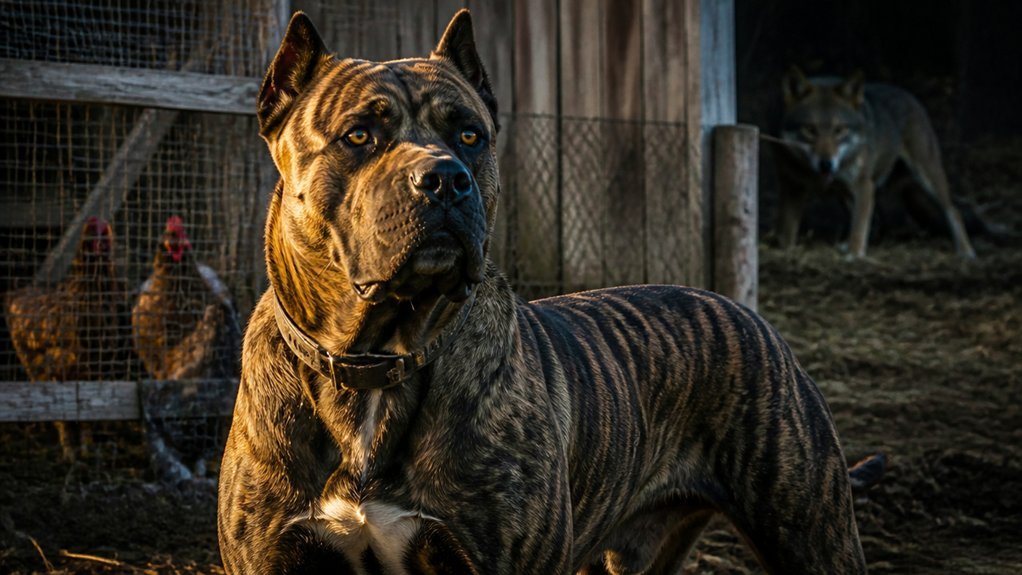
Size matters because bigger dogs can be more convincing deterrents, while speed helps them close distance quickly if a predator appears. You want a dog that looks capable enough to make coyotes, foxes, and stray dogs think twice before approaching your flock.
A large frame can add presence, but you shouldn’t ignore agility. If predators slip through brush or fence lines, a quicker dog can intercept them sooner and patrol more ground with less effort.
Balance bulk with endurance, so your guardian can stay alert without tiring too fast. You also want enough strength for steady blocking and confident posturing.
The best choice gives you visible intimidation, fast response, and reliable coverage around coops, runs, and pasture edges.
How to Train Puppies to Respect Chickens
You should set clear early boundaries so your puppy learns that chickens are off-limits from the start. Keep each calm interaction short and supervised, and step in before chasing or rough play begins. Reward gentle behavior with praise and treats so your puppy learns that respecting chickens pays off. Additionally, designing safe, secure enclosures that prevent unsupervised access can help reinforce these boundaries and protect your poultry.
Early Chickens Boundaries
Start teaching puppy boundaries with chickens as soon as you bring the dog home, because early lessons shape lifelong habits. Keep your puppy on a leash near the coop so you control every step and can interrupt rushing, staring, or lunging before it becomes routine.
Use clear limits and short sessions, and end each visit before your pup gets restless.
- Keep chicks and puppies separated by sturdy fencing.
- Walk the puppy past chickens at a calm distance.
- Redirect sniffing toward you, not the flock.
- Reward quiet, controlled behavior with brief breaks.
You want your dog to learn that chickens aren’t playmates or prey. Consistent boundaries, supervision, and repetition help your puppy accept poultry as part of the yard’s rules, not something to chase.
Positive Reinforcement Training
Once your puppy can stay calm near the coop, use positive reinforcement to make respectful behavior around chickens worthwhile. Reward him immediately when he looks at the birds and then returns his attention to you. Use small treats, praise, or a quick game to mark the right choice.
Keep sessions short, calm, and frequent so he learns fast without getting overstimulated. If he lunges, redirects his focus before he reaches the chickens, then reward the reset.
Teach cues like “leave it,” “stay,” and “come” so you can guide him around the flock. Never punish curiosity; instead, reward self-control and steady movement.
Over time, your puppy will connect chickens with calm behavior, and that habit helps protect both your birds and your future guard dog.
Socialize Guard Dogs With Your Flock
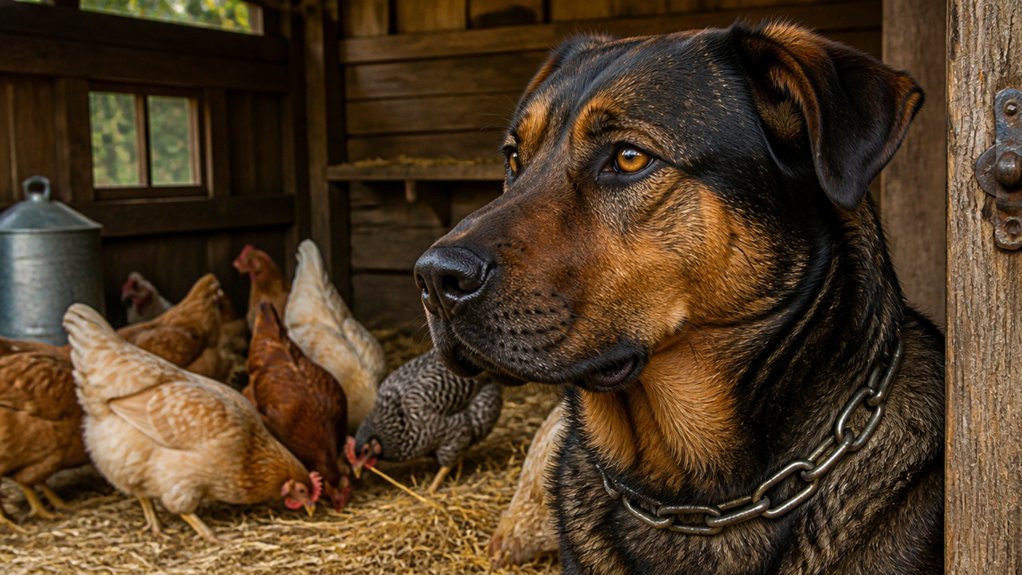
Socializing your guard dog with the flock helps it learn that chickens are part of its job, not prey. You should introduce the dog calmly and on leash, then let it observe the birds at a comfortable distance.
Introduce your guard dog calmly and on leash so it learns chickens are part of its job, not prey.
Keep sessions short, steady, and positive so it can build respect without excitement. Reward quiet behavior, loose muscles, and focused attention on you.
Supervise every interaction until the dog shows consistent self-control around moving hens.
- Start with brief, structured visits.
- Pair calm looks with treats.
- Correct rough curiosity early.
- Gradually increase time together.
You’ll strengthen trust by repeating this routine daily. A dog that knows the flock will usually settle faster, stay gentler, and fit your coop better.
Protect Chickens From Hawks, Foxes, and Coyotes
You can protect your flock from hawks by using a guard dog that stays alert, patrols open areas, and reacts fast to overhead threats.
To keep foxes and coyotes out, you’ll want a breed that’s brave, territorial, and willing to confront predators at the coop edge. Great guardian breeds like Great Pyrenees, Anatolian Shepherds, and Maremmas can help keep your chickens safer day and night.
Hawk Deterrence Strategies
When hawks start circling, a good guard dog can make your flock a much harder target by staying alert, patrolling the run, and rushing toward threats before a strike happens. You should pair that presence with smart routines that reduce surprise attacks and keep birds under cover.
- Keep chickens in a covered run during peak hunting hours.
- Train your dog to watch the sky and bark at shadows.
- Use overhead netting or wires to break a hawk’s dive path.
- Place feeders near shelter so birds can duck fast.
You’ll get better results when your dog learns to patrol calmly, because steady movement signals danger without panicking the flock.
Also, trim trees and remove high perches that give hawks easy vantage points.
Fox And Coyote Defense
Foxes and coyotes test a flock’s defenses at ground level, so a guard dog needs to do more than bark at birds overhead; it has to patrol the perimeter, challenge scent trails, and drive off predators before they slip into the coop area.
You want a dog that notices digging, lingering smells, and silent movement along fences or hedges. Keep your bird yard fenced, close gaps under gates, and clear brush that gives predators cover. Train your dog to respond quickly to your presence and to move toward intruders with confidence, not panic.
Night checks matter most, because foxes and coyotes often slip in at dusk, dawn, or after dark, when chickens roost and visibility drops for everyone.
Best Guardian Dog Breeds
Once you’ve got the perimeter handled, the next step is choosing a guardian breed with the size, instincts, and calm confidence to protect chickens from hawks, foxes, and coyotes.
You’ll want a dog that patrols naturally, bonds with your flock, and doesn’t chase birds.
Great Pyrenees, Anatolian Shepherds, Maremmas, and Akbash dogs each bring strong guardian traits, steady temperaments, and weather tolerance.
- Great Pyrenees: patient, alert, and powerful.
- Anatolian Shepherd: independent, fast, and territorial.
- Maremma: gentle with stock, watchful at night.
- Akbash: lean, loyal, and highly observant.
Choose the breed that matches your acreage, predator pressure, and training time. Then socialize your dog early with chickens so it learns the flock is worth defending.
Set Up Space, Fencing, and Yards
Before you bring a guard dog into your flock, set up a space that protects both the chickens and the dog. Build sturdy fencing that keeps the dog inside the coop area and predators outside. Use welded wire or woven wire with secure posts, and bury the bottom edge to stop digging.
Create separate zones so your chickens can move freely while your dog patrols without crowding them. Give the dog shaded rest spots, dry ground, and clear sightlines across the yard. Remove loose boards, sharp metal, and anything that could trap paws or damage wings.
Add gates you can latch quickly, and check them often. If you use a larger pasture, divide it into manageable sections so your dog can watch, learn, and respond without roaming too far.
Feed and Care for Working Guard Dogs
Feed your working guard dog a high-quality diet that matches its size, age, and activity level, and adjust portions so it stays lean and strong. Provide fresh water all day, and feed at consistent times so your dog can work without stomach upset. Choose nutrient-dense food with enough protein and fat to support daily patrols, weather exposure, and steady muscle maintenance.
- Split meals if your dog works hard.
- Keep treats small and purposeful.
- Weigh your dog monthly to catch drift.
- Brush, check paws, and trim nails regularly.
Schedule routine veterinary care, vaccines, and parasite control to protect energy and comfort. Give your dog a dry, sheltered resting spot, and let it recover after demanding days. Good care helps your guardian stay focused, resilient, and ready.
Signs Your Chicken Guard Dog Is Chick-Safe
How do you know your chicken guard dog is truly chick-safe? You’ll see calm curiosity, not chasing, when chicks wander near. Your dog should lower its body, move slowly, and avoid hard staring. It’ll respond to your cue instantly, even with birds flapping nearby. Watch for gentle sniffing and easy disengagement.
| Sign | What it means |
|---|---|
| Soft body language | Your dog feels relaxed, not driven to pounce. |
| Quick recall | You can stop focus before excitement grows. |
You should also notice steady behavior around feed, water, and nests. A chick-safe dog leaves space, doesn’t crowd, and settles when nothing happens. If your dog can relax beside chicks for short supervised sessions, that’s a strong sign. Consistency matters most: repeatable calm shows reliable poultry respect.
Common Chicken Guard Dog Mistakes
Even a dog that seems chick-safe can slip into trouble if you miss the warning signs, and the most common mistakes usually start with too much freedom, too little supervision, or the wrong breed expectations.
Even a chick-safe dog can become a risk without supervision, clear limits, and realistic expectations.
You can avoid most problems by setting firm limits, watching early interactions, and judging the individual dog, not the breed label. Don’t assume a calm dog will always stay calm around chicks; instincts can shift with stress, boredom, or excitement.
- Letting your dog roam unsupervised near the coop.
- Skipping short, controlled introductions.
- Expecting instinct alone to replace training.
- Ignoring chasing, pawing, or fixating behaviors.
When you correct these errors early, you protect your flock and help your dog learn the job you want it to do.
When to Add a Second Guard Dog
A second guard dog can make sense when one dog can’t reliably cover all your birds, your property is too large for one animal to patrol, or your first dog tires quickly and loses focus.
You should also consider another dog if predators pressure your flock from multiple directions, or if your setup includes distant coops, runs, or pasture edges.
Adding a partner can improve vigilance and reduce blind spots, but only if you can train and supervise both dogs well. Choose a dog with similar size, temperament, and guarding instincts, then introduce it gradually so your first dog accepts the change.
If your current dog already stays alert, patrols consistently, and deters threats alone, you probably don’t need a second one yet.
How to Keep Guard Dogs and Chickens Safe Together
Keeping guard dogs and chickens safe together starts with clear boundaries, close supervision, and consistent training.
You should introduce your dog to the flock on leash, then reward calm behavior around pecking, flapping, and movement. Keep chicks and small hens in protected pens until your dog reliably ignores them.
Use secure fencing, separate feeding areas, and shaded rest zones to reduce tension.
Never leave a new dog unsupervised with birds until you’ve seen steady control over several weeks.
- Reinforce “leave it” and “stay” daily.
- Supervise every early interaction.
- Separate food, water, and nesting spaces.
- Watch for chasing, fixation, or rough play.
Frequently Asked Questions
How Do I Introduce a Guard Dog to Adult Chickens?
Introduce your dog slowly on leash, let them watch chickens from afar, then reward calm behavior. You’ll keep the first meetings short, supervised, and positive until both animals stay relaxed and ignore each other.
Can a Guard Dog Protect Chickens From Stray Dogs?
Yes, a guard dog can deter stray dogs if you train it well and supervise early interactions. You’ll need a strong fence, consistent commands, and calm monitoring, because not every dog protects chickens reliably.
Should Guard Dogs Live With Chickens Overnight?
Yes, you can keep guard dogs near chickens overnight if they’re trained and trustworthy. You should supervise first, provide a safe sleeping area, and make certain they won’t chase, crush, or stress the flock.
What Age Is Best to Start Guard Dog Training?
You should start guard dog training as early as 8 to 12 weeks old. You’ll shape good habits fast, and early exposure helps your dog bond with chickens and learn calm, protective behavior.
Do Guard Dogs Need a Kennel Near the Coop?
Not necessarily, but you should give them a secure, weatherproof kennel nearby so they can rest, retreat, and stay alert. You’ll make patrols easier and reduce wandering, especially during nights or bad weather.
In Summary
Choosing the right guard dog helps you keep your chickens safer and your coop calmer. You’ll want a breed with steady instincts, the right energy level, and a natural respect for livestock. Watch how your dog behaves around chicks, and don’t rush the bond. If you match the dog to your predators and flock, you’ll build a stronger, safer setup. With training, patience, and supervision, your dog can become a reliable protector.