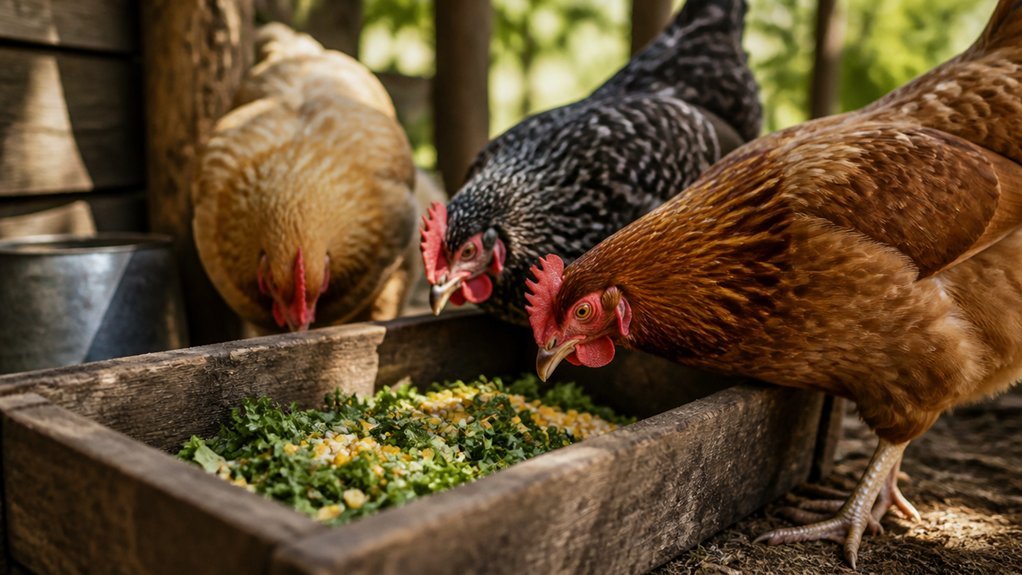
You can prevent most chicken respiratory infections by keeping your coop clean, dry, and well ventilated. Remove wet bedding and droppings daily, clean feeders and waterers often, and fix leaks fast. Quarantine new or sick birds, and avoid overcrowding, drafts, dust, and sudden stress. Feed fresh, balanced feed and keep water clean and easy to reach. If you notice sneezing, wheezing, swollen eyes, or low appetite, call a poultry vet for more help.
What Chicken Respiratory Infections Look Like

Chicken respiratory infections often show up as sneezing, coughing, nasal discharge, watery eyes, or noisy breathing. You may also notice your birds holding their beaks open, shaking their heads, or seeming less active than usual. Their combs can look dull, and they might stop eating or drinking as much.
Some chickens stand apart from the flock, fluff up their feathers, or breathe with a gurgling sound. You should watch for swelling around the face, especially near the eyes and sinuses, because that can signal trouble. Additionally, wound care sprays can be useful in treating injuries caused by pecking that may predispose birds to secondary infections, which are common with respiratory illnesses.
If several birds show these signs at once, you’re likely dealing with a flock issue, not just one sick chicken. Catching these changes early helps you respond quickly and protect the rest of your birds before symptoms get worse.
What Causes Respiratory Illness in Chickens
Respiratory signs usually point to a problem in the flock’s environment or health. You may be dealing with viruses, bacteria, fungi, or parasites that spread through direct contact, shared air, or contaminated surfaces.
Stress weakens your birds’ defenses, so crowding, sudden weather swings, poor ventilation, and chilling can make illness more likely. Dust, ammonia, and mold also irritate airways and let infections take hold.
New birds can introduce germs if you don’t quarantine them first. Wild birds, rodents, and even your own boots can carry pathogens into the flock. Sometimes a minor infection becomes serious when your chickens’ immune systems are already strained.
If you spot repeated sneezing, wheezing, or swelling, think about both the germ and the conditions that let it spread.
Keep the Coop Clean and Dry

A clean, dry coop is one of the best defenses against respiratory illness. You should remove wet bedding, droppings, and spilled feed every day so moisture and bacteria don’t build up. Replace soiled litter with fresh, absorbent material, and keep nesting areas dry and tidy.
A clean, dry coop is one of the best defenses against respiratory illness.
If waterers leak, fix them quickly or move them to a place where they won’t soak the floor. Scrub feeders and drinkers regularly so your birds aren’t breathing dust, mold, or grime. Using bedding with excellent dust control helps maintain healthier air quality in the coop.
After heavy rain or freezing weather, check for damp spots and refresh the bedding right away. You can also rake out packed litter to keep surfaces cleaner and drier.
A sanitary coop helps your flock stay healthier, breathe easier, and recover faster from stress and minor exposure.
Improve Coop Ventilation
You can improve coop ventilation by maximizing fresh airflow through vents, windows, or openings that let stale air escape. Good airflow also helps reduce moisture buildup, which can lower the risk of respiratory issues in your flock. At the same time, you’ll want to prevent direct drafts from hitting your chickens, since cold air moving across them can cause stress. Using properly rated weatherproof fans ensures durability and consistent performance in outdoor conditions.
Maximize Fresh Airflow
Good ventilation keeps damp, ammonia-heavy air from building up in the coop, which helps protect chickens’ lungs and lowers the risk of respiratory infections. You should let fresh air move through the coop without creating cold blasts directly on roosts.
Place vents high on opposite walls so warm, stale air can escape and cleaner air can enter. Keep openings clear of dust, cobwebs, and stored gear that blocks circulation.
If you use windows or adjustable panels, open them enough to steady airflow during the day. You can also add roof vents or ridge openings to improve exchange above the birds.
Watch how your flock behaves: panting, sneezing, or crowding often means the air isn’t moving well enough. Proper ventilation helps your chickens breathe easier and stay healthier.
Reduce Moisture Buildup
When moisture hangs in the coop, it raises humidity, encourages mold and bacteria, and makes respiratory problems more likely. You can cut that risk by improving coop ventilation so damp air escapes fast.
Open vents high on the walls, keep roof gaps clear, and make sure air can move through the space without trapping heat and vapor. Remove wet bedding promptly, because soaked litter breeds germs and keeps the floor damp. Check drinkers for leaks and fix them right away.
If you wash the coop, let everything dry before you return the birds. You should also avoid overcrowding, since too many chickens add more moisture through droppings and breathing.
Maintaining proper airflow through ventilation systems supports healthier lungs and helps your flock stay stronger.
Prevent Draft Exposure
Even with good ventilation, cold drafts can irritate a chicken’s airways and make respiratory issues worse. You should place vents high on the coop walls so stale air escapes without blowing directly across roosts. Seal gaps near windows, doors, and nesting boxes, but don’t block airflow completely. Instead, use adjustable openings that let you fine-tune circulation during cold or windy weather. Check the coop at bird height; if you feel a steady breeze, your flock feels it too. Add windbreaks outside the coop if needed, and keep bedding dry so air moves cleanly. Proper ventilation balance ensures healthier air quality and reduces moisture buildup in the coop. When you manage ventilation this way, you’ll lower stress, protect respiratory health, and help your chickens stay comfortable all year.
Use Quarantine to Stop Spread
Quarantine any bird that shows sneezing, coughing, nasal discharge, or reduced appetite as soon as possible to keep illness from spreading through the flock. Move the bird into a separate, enclosed space with its own feeder, waterer, and bedding. Keep that area away from your healthy chickens, and handle the sick bird last so you don’t carry germs on your hands, boots, or tools.
Wash and disinfect equipment after each use, and change clothes if you’ve been close to the isolated bird. Watch the rest of your flock closely for early signs of illness, because quick separation helps you limit exposure and respond faster. Proper enclosure features, such as multiple access doors and secure locks, make it easier to minimize cross-contamination.
If symptoms worsen or more birds get sick, contact a poultry veterinarian promptly for guidance and treatment options.
Reduce Stress to Support Immunity
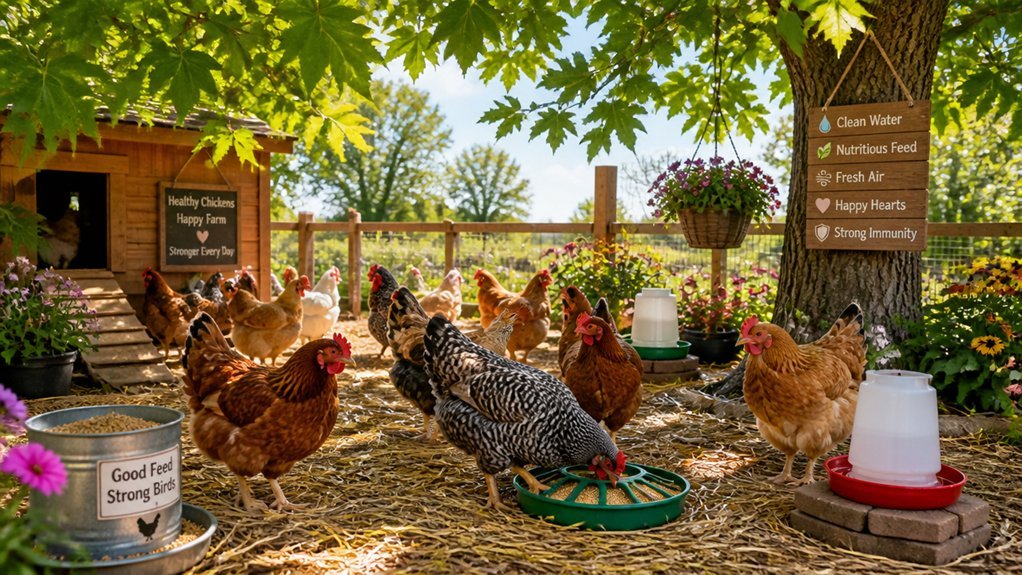
You can help your chickens stay healthier by keeping the coop calm and quiet. Reduce sudden noise, crowding, and temperature swings so their immune systems can work well.
Handle them only when needed, and do it gently to avoid extra stress.
Calm Coop Environment
A calm coop helps chickens stay healthier by lowering stress, which supports a stronger immune system and makes respiratory illness less likely to take hold. You can create that calm by keeping the coop quiet, dry, and predictable. Using effective disinfectants can reduce harmful microbes that contribute to illness, further supporting your flock’s health. Avoid sudden changes in routine, loud noises, and overcrowding, since these can unsettle birds and weaken their defenses. Provide enough space for roosting, feeding, and resting so chickens don’t compete or panic. Good ventilation also matters because stale air irritates lungs and raises stress. Keep the bedding clean and comfortable, and maintain a steady light schedule so birds know what to expect. When your flock feels safe and settled, they eat better, rest better, and stay more resilient against respiratory problems.
Minimize Handling Stress
Handle chickens gently and only when necessary, because frequent or rough handling can spike stress and weaken immunity. Keep catches short, support the body well, and avoid chasing birds around the run. Plan chores so you’re not repeatedly lifting the same hens, and teach everyone in your household the same calm approach. Aiming for proper hydration can also help minimize stress effects during handling.
| Stress trigger | Better choice | Benefit |
|---|---|---|
| Sudden grabbing | Slow, steady movements | Less panic |
| Long handling | Quick, purposeful checks | Lower stress |
| Loud voices | Quiet speech | Steadier breathing |
You should also time handling for warm, dry periods and avoid it when birds are already sick, molting, or frightened. When you reduce stress, your flock eats better, rests more, and fights respiratory bugs more effectively.
Feed and Hydrate Chickens Well
Good nutrition and clean water give chickens the strength to fight off respiratory stress and recover faster when they’re exposed to germs. You should offer a balanced feed that matches their age and laying stage so they get enough protein, vitamins, and minerals.
Ensuring the feed contains digestive support ingredients like probiotics and prebiotics can further enhance their overall health and immunity.
Fresh feed supports immune function, while spoiled or dusty feed can irritate airways. Keep waterers clean and refill them often so chickens drink steadily throughout the day. In hot or dry weather, they need even more water to stay hydrated and keep mucus thin. Add electrolytes only when needed and follow the label directions.
Place feeders and drinkers where birds can reach them without crowding, so weak birds don’t get pushed aside. Consistent access to quality feed and water helps your flock stay resilient and breathe easier.
When to Call a Poultry Vet

Even with solid feed, clean water, and careful daily care, some respiratory problems need professional help. Call a poultry vet if you hear wheezing, see swollen eyes, notice blue combs, or lose birds quickly. Don’t wait when symptoms spread through the flock.
| Sign | What you’ll notice | Why it matters |
|---|---|---|
| Wheezing | Noisy breathing | Airway trouble |
| Swollen face | Puffy eyes or sinuses | Possible infection |
| Lethargy | Birds isolate | Illness worsening |
| Appetite loss | Feed stays untouched | Weakness builds |
| Deaths rise | More than one bird sick | Urgent outbreak |
Bring a fresh sample if you can, and isolate sick chickens right away. Your vet can test, treat, and help you protect the rest of the flock fast.
Frequently Asked Questions
Can Chickens Catch Respiratory Infections From Wild Birds?
Yes, you can have chickens catch respiratory infections from wild birds, since they may spread viruses and bacteria. You should keep feed covered, limit contact, and watch for coughing, sneezing, or discharge.
Are Certain Chicken Breeds More Prone to Respiratory Illness?
Yes, you’ll find some breeds seem more vulnerable, especially those with heavy feathers, flat faces, or weak immunity. You can reduce risk by keeping your coop dry, clean, ventilated, and stress-free.
Can Respiratory Infections Spread Through Eggs?
Usually, you won’t spread most respiratory infections through eggs, but some germs can contaminate shells or, rarely, egg contents. You should handle eggs cleanly, refrigerate them promptly, and discard cracked or dirty eggs.
How Long Do Chickens Stay Contagious After Recovery?
They can stay contagious for days to weeks after symptoms fade, depending on the infection. You should isolate recovered birds, keep checking for sneezing or discharge, and ask your vet before reintroducing them.
Do Probiotics Help Prevent Chicken Respiratory Infections?
Yes, probiotics can support your chickens’ gut and immune health, which may help them resist illness, but they won’t directly prevent respiratory infections. You’ll still need good ventilation, sanitation, nutrition, and biosecurity.
In Summary
You can prevent chicken respiratory infections more easily than you might think. Watch for early signs like sneezing, wheezing, and swollen eyes, and act fast if you notice them. Keep your coop clean, dry, and well-ventilated, quarantine new or sick birds, and cut stress wherever you can. Good food and fresh water also help your flock stay strong. If symptoms worsen, call a poultry vet right away.