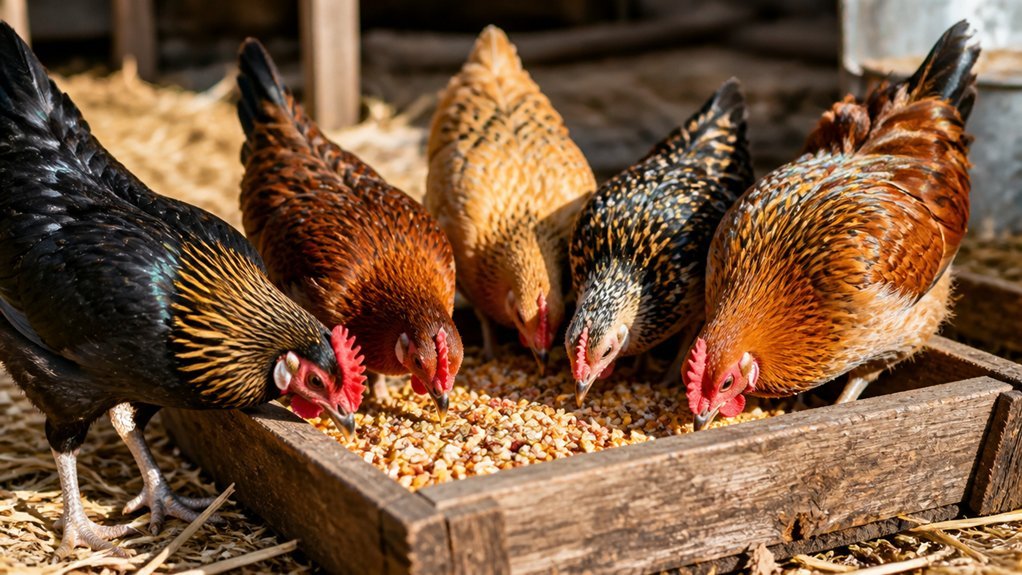
You should feed bantam chickens multiple times a day because their tiny crops fill up fast and their quick metabolisms need steady fuel. Smaller meals help them eat enough without crowding out nutrients or wasting feed. Aim for morning and late-afternoon feedings, with a light midday top-up if needed. This keeps energy stable, supports growth and laying, and matches their natural rhythm. Keep going and you’ll see how to fine-tune each meal.
How Often to Feed Bantam Chickens Daily?
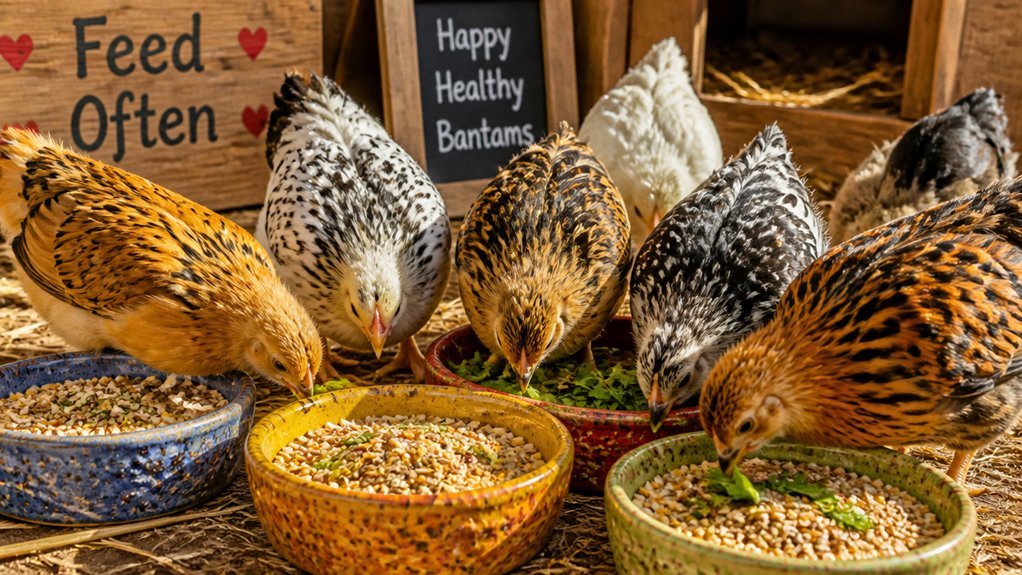
How often should you feed bantam chickens each day? You should offer food at least twice daily, and you can split their ration into smaller portions if you want steadier intake. Bantams have tiny crops and fast metabolisms, so they do better when you keep feed available in manageable amounts rather than one large serving. You should also check their appetite, age, and activity level, because chicks, layers, and breeding birds may need different amounts. Using a reliable gravity chicken feeder can help ensure consistent feed delivery during your busy schedule. Fresh water must stay available all day, since feeding loses value if they can’t drink. Watch for leftovers, adjust portions as needed, and avoid overfilling feeders. When you feed consistently, you help your bantams stay energetic, maintain weight, and waste less feed.
Best Feeding Schedule for Bantams
A good bantam feeding schedule starts with consistency: offer a small morning feeding soon after sunrise, then give a second portion in the late afternoon or early evening. Keep the times steady each day so your birds quickly learn when to expect food.
If you’re home midday, you can add a light third feeding, but don’t make it irregular. Your bantams do best when you match meals to their natural rhythm, giving them energy for active hours and enough time to settle before night.
Watch their behavior and adjust slightly for weather, age, and laying stage. In hot weather, feed earlier; in cold weather, keep the schedule dependable so they stay comfortable and calm.
What to Feed Bantam Chickens at Each Meal
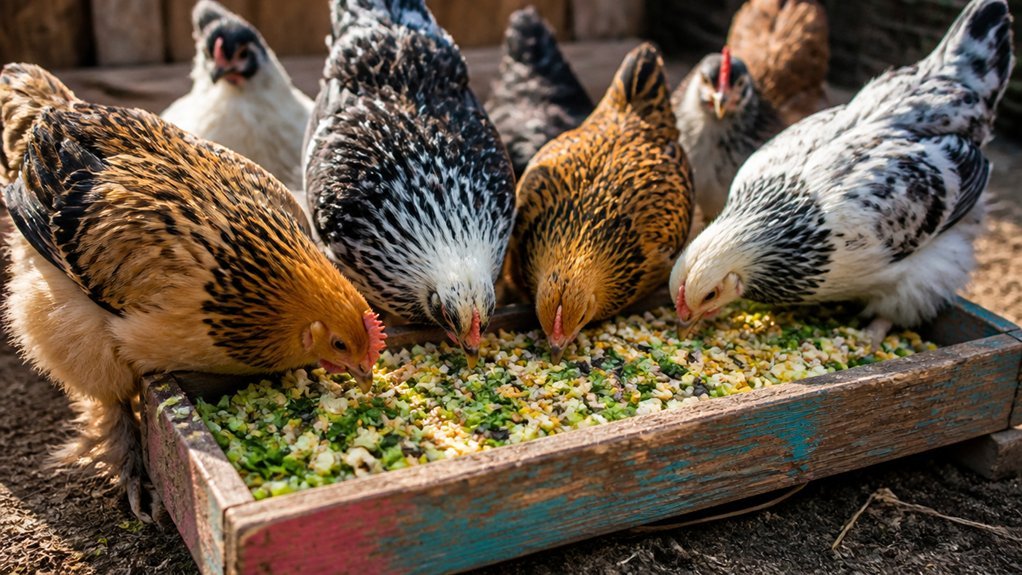
At each meal, give your bantams a balanced feed made for their age and purpose, with starter crumble for chicks, grower feed for juveniles, and layer feed for laying hens.
Offer age-appropriate feed at every meal—starter for chicks, grower for juveniles, and layer feed for hens.
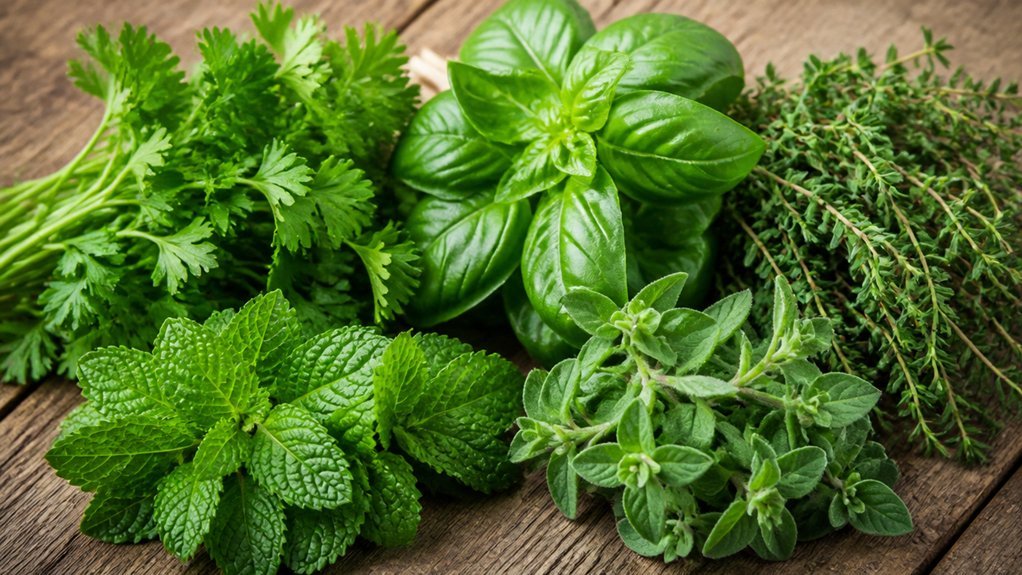
You should choose a quality commercial ration as the main dish, because it gives them the protein, vitamins, and minerals they need. Add a small amount of fresh greens, chopped herbs, or finely diced vegetables for variety and enrichment.
You can offer grit if they don’t free-range, and keep oyster shell separate for hens that lay eggs.
Avoid filling their bowls with treats, scratch grain, or kitchen scraps at every feeding, since those can unbalance the diet. Proper nutrient balance in their meals supports optimal shell strength and overall health.
Fresh, clean water should always sit nearby so your bantams can eat comfortably and stay healthy.
How Much Food Bantam Chickens Need
Bantam chickens usually need less food than standard hens because of their smaller size, but their daily intake still depends on age, activity, and whether they’re laying. As a rough guide, offer about 1/4 to 1/3 cup of quality feed per bird each day, split into several meals if you prefer. Proper protein levels in their diet support healthy growth and egg production, making it important to choose feeds with balanced amino acids. Young chicks need starter feed more often, while active adults and laying hens may need a little more to keep up with energy use and egg production. You should adjust portions to match body condition and season, since cold weather can raise needs. Keep fresh water available at all times, because hydration helps them eat and digest properly. If you feed treats, count them as part of the daily total, not extra.
Signs Your Bantams Need More Food
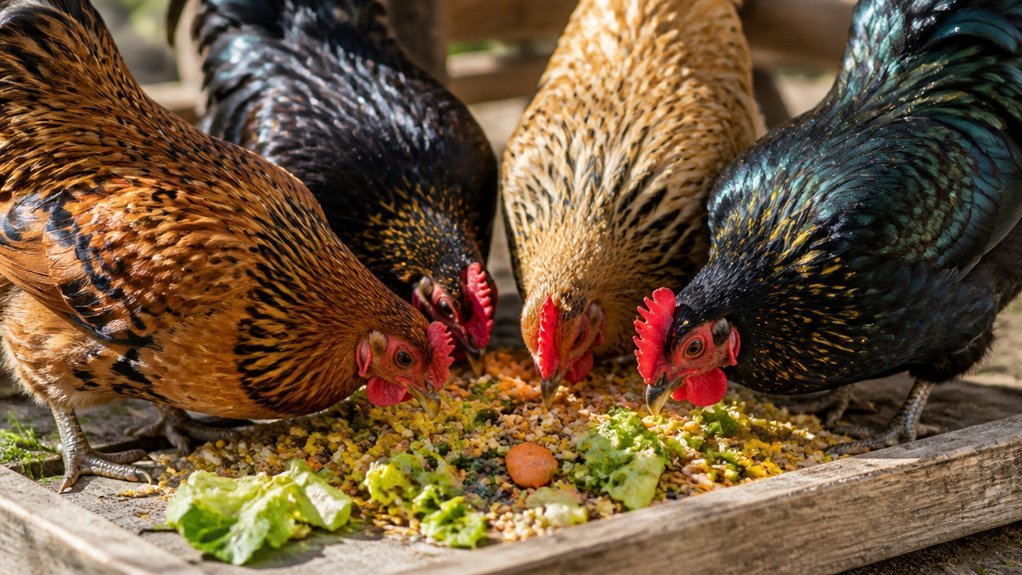
If your bantams seem restless, peck feed bowls more often, or finish meals too quickly and still act hungry, they may need a bit more food. You might also notice them pacing, vocalizing, or searching the run for scraps soon after eating.
Check whether your feed routine matches their age, season, and activity level. Offer small, frequent meals and monitor whether their energy, feather quality, and appetite improve within a few days.
Additionally, ensuring they receive a balanced diet with proper protein levels supports their overall health and prevents deficiencies.
Frequently Asked Questions
Can Bantam Chickens Free-Range Instead of Scheduled Feeding?
Yes, you can let bantam chickens free-range instead of strict scheduled feeding if they’ve got safe space and forage well, but you’ll still need to supplement with feed, clean water, and occasional checks daily.
Do Bantams Need Different Food in Winter?
No, you usually don’t need different food, but you should boost calories and protein slightly in winter. You can offer more scratch grains, layer feed, and fresh water to help bantams stay warm and healthy.
Can Treats Replace a Meal for Bantam Chickens?
No, you can’t let treats replace a full meal for bantam chickens. You should feed balanced feed first, then offer treats sparingly, or they’ll miss needed protein, vitamins, and energy for healthy growth and laying.
Should Bantam Chicks Be Fed Differently Than Adults?
Yes, you should feed bantam chicks differently than adults. You’ll give chicks starter feed with higher protein and smaller crumbles, while adults eat layer or maintenance feed, plus grit and water, adjusted for age.
How Does Feeding Affect Bantam Egg Production?
Feeding directly affects your bantam hens’ egg production by supplying protein, calcium, and energy for laying. If you feed them consistently and well, they’ll lay more regularly, produce stronger shells, and stay healthier overall.
In Summary
Feeding your bantam chickens multiple times a day helps keep their energy steady, supports healthy growth, and reduces waste. When you offer small, regular meals, you can better match their tiny size and fast metabolism. Stick to a consistent schedule, serve the right feed at each meal, and watch their appetite closely. If your bantams stay active, bright-eyed, and enthusiastic to eat, you’re probably giving them exactly what they need.