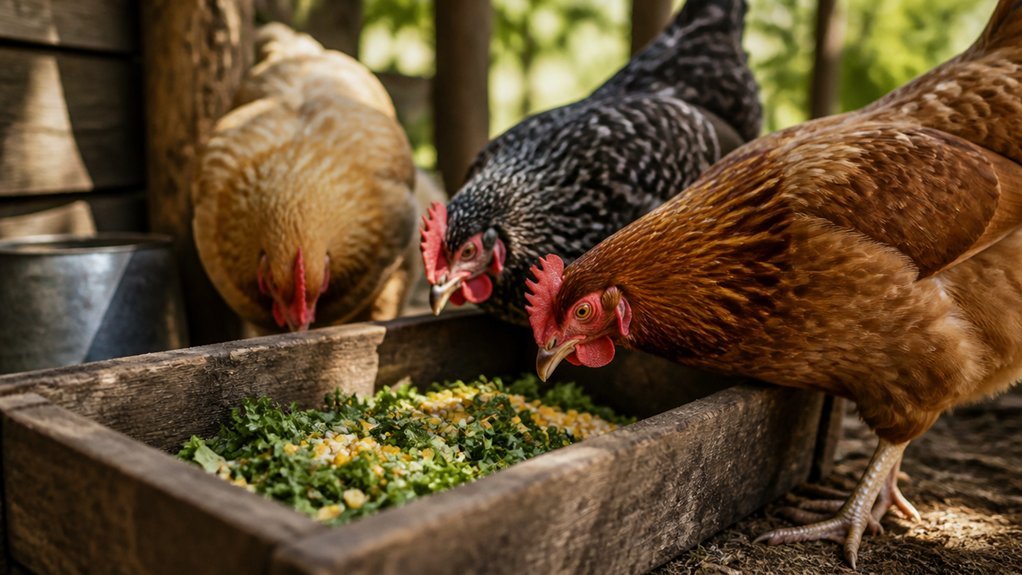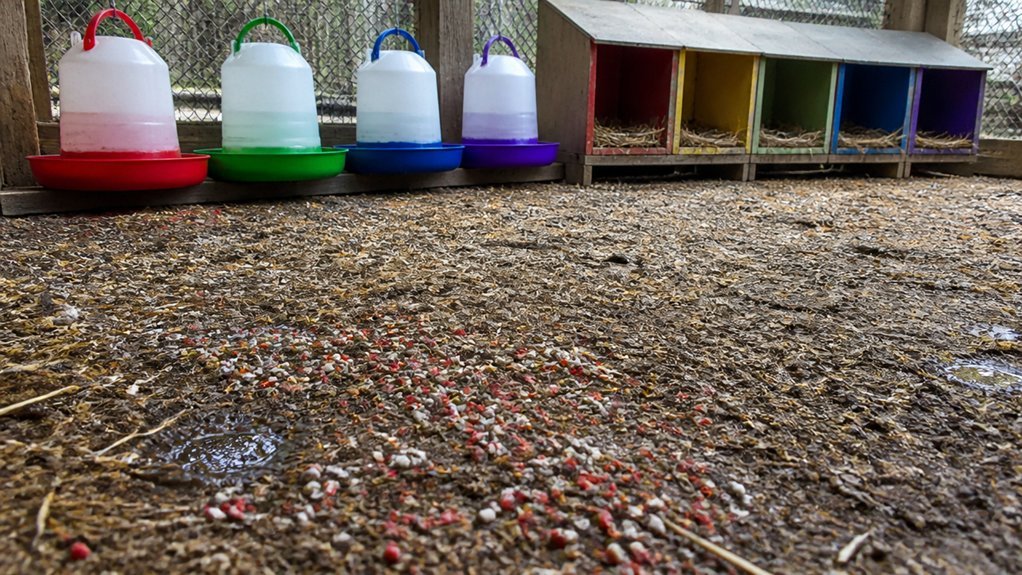
Preventing salmonella in backyard chickens matters because it protects your flock, your eggs, and your family. Chickens can carry the bacteria without looking sick, yet still spread it through droppings, bedding, feed, water, and dust. That can lower egg production, slow growth, and weaken birds over time. It also raises food safety risks in eggs and meat. If you want healthier birds and a cleaner coop, there’s more to understand just ahead.
What Salmonella Means for Backyard Chickens

Salmonella can be a serious problem for backyard chickens because it can infect birds without obvious signs and spread quickly through the flock. You may not notice illness until a bird looks weak, eats less, or has dirty vent feathers. Even then, some chickens can still carry the bacteria and pass it on. That means you can’t rely on appearance alone to judge flock health.
When Salmonella takes hold, it can reduce growth, egg production, and overall well-being. It also matters because infected birds can threaten the safety of the eggs and meat you collect.
If you keep chickens, you need to treat Salmonella as more than a bird health issue. It’s also a family food-safety concern that calls for close attention and steady prevention.
How Salmonella Spreads in Chicken Coops
Even when a coop looks clean, bacteria can spread fast through droppings, contaminated bedding, feed, water, dust, and muddy run areas. You can pick it up when chickens step through manure and track it onto roosts, nest boxes, and feeders. Birds also shed Salmonella without looking sick, so one infected hen can contaminate shared surfaces quickly. In dry coops, dust carries particles into the air and onto your clothes, hands, and tools. Wet bedding and standing water let bacteria survive longer and move between birds. Dust control is crucial since low-dust bedding reduces airborne particles that can carry bacteria.
How to Prevent Salmonella in Your Flock

The best way to keep Salmonella out of your flock is to cut off the places it can linger and spread. Clean coops often, replace wet bedding, and scrub feeders and waterers with safe disinfectant. Give birds fresh water daily and remove spilled feed fast. Using disinfectants that are EPA-registered and safe for poultry can further reduce pathogen transmission.
Keep coops clean, bedding dry, and feeders sanitized to help stop Salmonella from lingering and spreading.
- Wash hands after handling birds or eggs
- Keep wild birds and rodents away
- Isolate new or sick chickens before mixing them in
You should also wear dedicated boots and gloves when you work the coop, then change before going indoors. Don’t let children kiss chickens or eat near them.
If you keep your flock dry, tidy, and well managed, you’ll lower contamination risk and help every bird stay healthier.
Common Salmonella Risks in Backyard Chickens
Common Salmonella risks in backyard chickens usually come from contaminated feed, dirty water, droppings, and surfaces that birds share.
You can also spread germs when you move between the coop, run, and nesting boxes without cleaning your boots or hands.
Rodents, wild birds, and insects may drag bacteria into feed bins and waterers, so store supplies in closed containers and keep trash secured.
Wet bedding gives germs a place to grow, and crowded pens make contamination easier to spread.
You should also watch for eggs that get dirty on the shell, since bacteria can cling to cracked or soiled surfaces.
If you let birds peck at spilled feed or stagnant puddles, you increase exposure and make sanitation harder.
Paying attention to proper pest-resistant storage helps prevent pest entry and bacterial contamination in your coop.
Signs Your Chickens May Have Salmonella
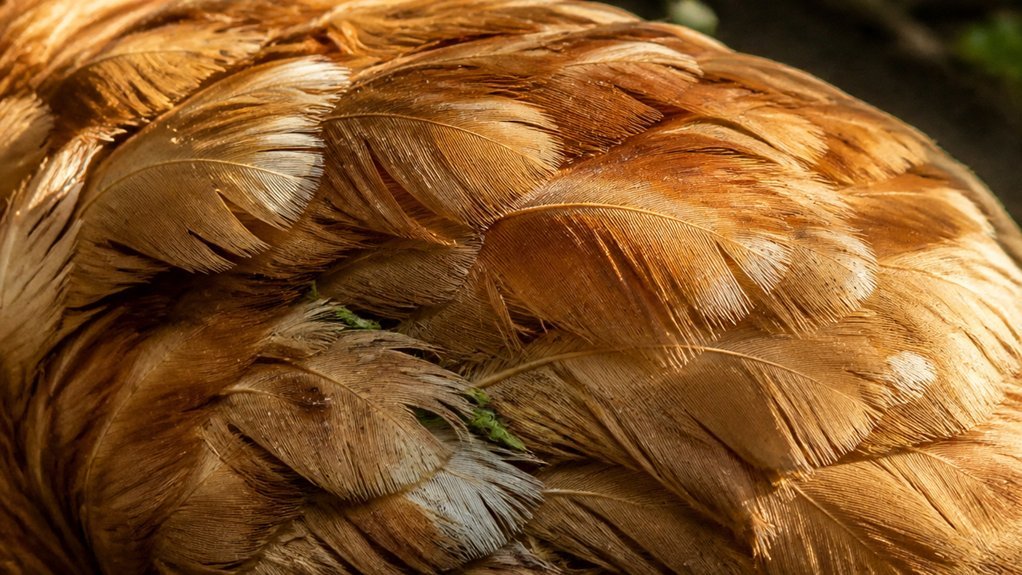
When Salmonella gets into your flock, you may notice birds that look dull, eat less, or act weaker than usual.
You might also spot watery droppings, puffed-up feathers, or chicks that huddle and don’t move much. Some birds can develop swollen vents, dehydration, or a sudden drop in egg production.
Watch for these warning signs:
- diarrhea or pasty vents
- loss of appetite and weight
- lethargy, weakness, or droopy posture
If several birds show these symptoms, treat it as a possible flock problem, not just one sick chicken. Separate the affected birds, clean feeders and waterers, and contact a poultry-savvy vet. Quick action helps you limit spread and protect both your chickens and your family.
Understanding the importance of probiotic diversity can also help support your flock’s gut health and resilience.
Frequently Asked Questions
Can Salmonella Affect Egg Production in Backyard Chickens?
Yes, salmonella can affect your hens’ egg production by making them sick, stressed, and less likely to lay. You’ll also see poorer egg quality, so keep your flock clean and monitor symptoms closely.
Are Children More Vulnerable to Salmonella From Chickens?
Yes, children’re more vulnerable because their immune systems aren’t fully developed, and they’ll often touch chicks, eggs, or surfaces, then put fingers in their mouths. You should wash hands and supervise closely.
How Should I Disinfect Eggs Before Storing Them?
You should dry-brush off dirt, then wipe eggs with a clean cloth slightly dampened with warm water. Don’t soak them or use harsh soap. Refrigerate promptly, and wash your hands afterward.
Can Wild Birds Bring Salmonella Into My Coop?
Yes—wild birds can carry Salmonella into your coop through droppings, feathers, and contaminated feed. You should block access, cover feed, and clean often to reduce risk and protect your flock.
Is Salmonella Risk Higher in Certain Chicken Breeds?
No, you can’t rely on breed alone to predict salmonella risk. You’re more likely to see problems from stress, hygiene, overcrowding, and biosecurity. Some breeds seem hardier, but any chicken can carry salmonella.
In Summary
Keeping Salmonella out of your backyard flock protects both your chickens and your family. When you keep coops clean, manage feed and water carefully, and wash your hands after handling birds, you lower the risk of spreading bacteria. Watch for sick birds and act quickly if you notice any warning signs. A little prevention goes a long way, helping your chickens stay healthy and your eggs stay safer for everyone.