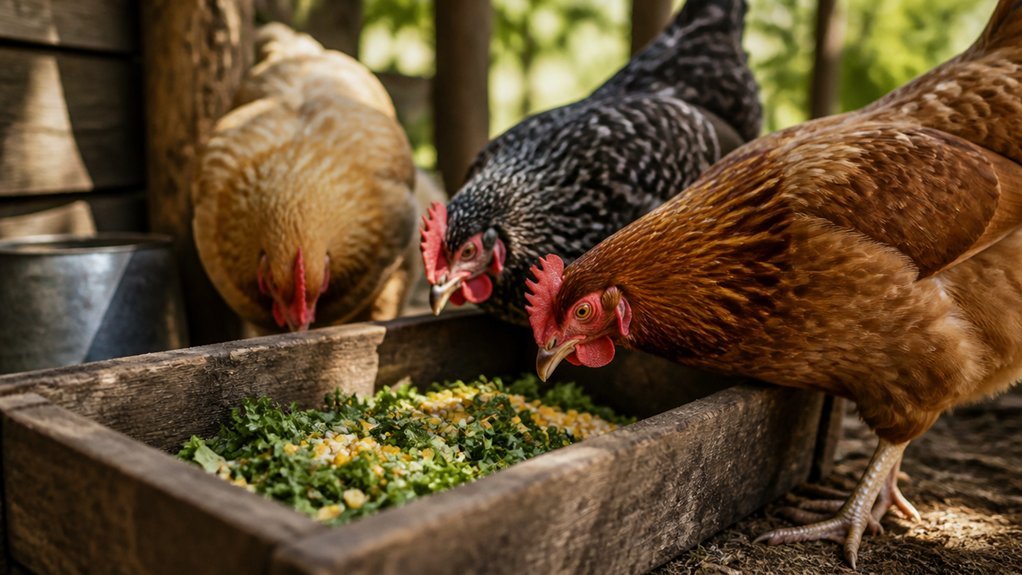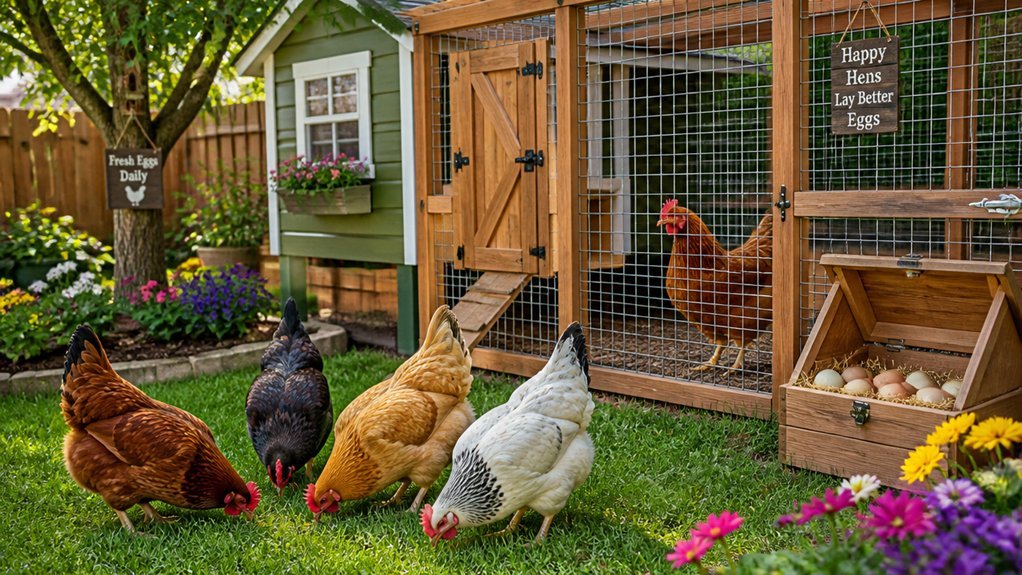
You safeguard your backyard chickens from avian flu because it spreads fast, can kill birds quickly, and may slash egg production before you realize there’s a problem. Wild birds, dirty gear, feed, water, shoes, and even pets can bring the virus into your coop. By tightening biosecurity, cleaning regularly, and watching for sudden weakness, swelling, coughing, or deaths, you can protect your flock and act fast if trouble starts. Here’s what you should know next.
How Avian Flu Spreads to Backyard Chickens

Avian flu can spread to your backyard chickens through direct contact with infected birds, contaminated feed or water, and even on shoes, clothing, or equipment you bring into the coop.
Wild ducks, geese, and other birds can carry the virus without appearing sick, so you can’t rely on looks alone. If they land near your yard, leave droppings in shared spaces, or mingle with your flock, they may expose your birds.
Rodents, pets, and shared tools can also move the virus from one place to another. You lower risk by keeping feed covered, limiting visitor access, cleaning boots and gear, and preventing contact with wild birds. Small gaps in biosecurity can let the virus slip in fast.
Avian Flu Symptoms in Backyard Chickens
If one of your chickens gets avian flu, you may notice sudden signs like low energy, reduced appetite, fewer eggs, swelling around the eyes or head, and trouble breathing.
Sudden low energy, fewer eggs, and swelling around the eyes or head can signal avian flu.
You might also see coughing, sneezing, nasal discharge, diarrhea, or a hunched posture. Some birds look ruffled, weak, or unsteady on their feet. Others stop drinking and isolate themselves from the flock.
In severe cases, you can find a sudden drop in egg production or several birds dying quickly with little warning. Because these signs can resemble other illnesses, you shouldn’t assume the cause.
Watch your flock closely and act fast if symptoms spread. Early recognition helps you respond before more birds become sick and your flock’s health declines further. Be aware that disinfectant safety and proper biosecurity measures are crucial to prevent the spread of disease within your flock.
How to Protect Backyard Chickens From Avian Flu

You can protect your backyard chickens by securing coop doors, gates, and fencing so wild birds and other animals can’t get in. Keep feed and water covered, and limit any contact between your flock and wild birds. Wash your hands, clean boots and tools, and practice good hygiene every time you care for your chickens. Consider using durable garden fencing with tight gaps and sufficient height to prevent chickens from escaping or predators from entering.
Secure Coop Access
Keep your coop locked down so wild birds, rodents, and other visitors can’t slip inside and expose your flock. You should use sturdy latches, and you ought to check them every day for wear, rust, or gaps. Replace broken hardware right away, and make sure doors close tightly after each feeding or egg collection.
If you use windows or vents, cover them with secure mesh that stays fixed in place. Keep feed bins sealed, because spilled grain can attract pests and encourage unwanted entry. Also, inspect the coop floor, walls, and roof for holes, then patch them before problems spread.
When you open the coop, stay present until it’s closed again. Consistent access control lowers stress on your birds and helps you stop disease threats before they reach the flock. Consider using weather-resistant, heavy-duty hardware such as rust-proof latches to enhance security and durability.
Limit Wild Bird Contact
Wild birds can carry avian flu without showing signs, so it’s important to make your coop and run less inviting to them. You should cover feed and water, since open dishes attract sparrows, finches, and pigeons. Trim nearby trees and bushes so wild birds have fewer places to perch above your flock. You can also use netting or wire over runs to block droppings from landing where chickens roam. Using chicken-safe garden netting can help prevent pests and wild birds from entering easily. Keep scraps, spilled grain, and standing water cleaned up, because those draw visitors fast. If you notice ducks, geese, or songbirds lingering nearby, you may need to move your birds to a more protected area.
Practice Safe Hygiene
Even with good barriers against wild birds, germs can still hitch a ride on boots, hands, tools, and clothing, so clean habits matter. Before you enter the coop, wash your hands and scrub boots with soap and water, then use a disinfectant that’s safe for poultry areas. Keep a pair of dedicated coop shoes and don’t wear them anywhere else.
Clean feeders, waterers, and egg baskets often, especially if they’ve touched mud or droppings. If you borrow tools or share them with neighbors, disinfect them first and after use. Change clothes after handling sick birds or visiting other flocks.
Implement automatic chicken coop doors to reduce contact and minimize stress on birds during entry and exit, helping lower disease transmission risk.
Keep a handwashing station nearby so you can act fast. These simple steps cut the chance you’ll carry avian flu into your flock and help keep birds healthier.
How to Keep Wild Birds Away From Your Flock

Because wild birds can carry avian flu, you’ll want to make your coop and yard less inviting to them. Cover feed bins, pick up spilled grain quickly, and keep waterers from attracting sparrows and ducks.
Cover feed bins, clean up spilled grain, and keep waterers from luring wild birds to your coop.
Trim brush, tall weeds, and low branches where wild birds like to perch or nest near your flock. Use fine mesh or bird netting over open runs if you can, and close gaps in roofing or fencing that give birds easy access.
Avoid placing feeders for songbirds near the coop, since they can bring droppings close to your chickens. If you notice wild birds roosting overhead, move your flock’s hangouts to a safer spot.
The less contact your chickens have with wild birds, the lower their risk stays. Incorporating properly designed poultry netting can also create a barrier that prevents wild birds from entering the coop area, further reducing contamination risk predator resistance features.
How to Clean Your Coop and Improve Biosecurity
Start with a thorough coop cleanout to cut down the germs your flock meets every day. Remove soiled bedding, scrape droppings, and sweep corners where dust hides.
Then wash walls, roosts, nest boxes, and tools with soap and water, rinsing well before letting everything dry.
- Sunlight warms bare boards and helps dry damp spots.
- Fresh bedding makes the floor look soft and clean.
- A tidy entry keeps mud from tracking inside.
Wear dedicated boots, and keep them by the coop entrance. Change gloves after messy work, and wash your hands before touching another flock.
Limit visitors, disinfect equipment that moves between birds, and store supplies in a dry, closed area.
When you clean often and control traffic, you lower exposure and help your chickens stay healthier.
How to Keep Eggs, Feed, and Water Safe

Keep eggs, feed, and water protected so your flock has fewer chances to pick up avian flu. Collect eggs often, and place them in clean cartons or trays right away. Don’t leave cracked eggs in the coop, where wild birds, rodents, or droppings can contact them. Using pest-resistant containers for feed storage reduces pest access and minimizes contamination risks. Store feed in sealed bins with tight lids, and keep bags off the floor to block moisture and pests. Never let chickens eat spilled grain from dirty ground. Give fresh water in containers you scrub regularly, and position them where wildlife can’t reach them. If you use rain barrels or outdoor tubs, cover them to reduce contamination. Wash your hands before handling supplies, and use separate tools for feed and water areas. Cleanliness here helps you limit everyday exposure and keep production steady.
What to Do If You Suspect Avian Flu
If you spot sudden illness, deaths, swollen heads, or a sharp drop in egg laying, act fast. Isolate the flock at once and keep other birds, pets, and people away. Call your local veterinarian, extension office, or animal health authority right away, and follow their instructions before moving birds or eggs.
A preventative coop setup can help reduce the risk of disease spread by minimizing contact with wild birds or contaminated environments.
- Picture a quiet coop, with one doorway blocked and hands washing off the yard.
- Picture feed buckets sealed, water pans dumped, and boots left at the threshold.
- Picture a small notebook, where you track symptoms, deaths, and dates for the vet.
Don’t cull birds yourself unless officials tell you to. Wear gloves, change clothes, and disinfect tools after contact. If they confirm avian flu, cooperate with testing, disposal, and cleanup, then monitor the rest closely.
Frequently Asked Questions
Can Backyard Chickens Recover Fully From Avian Flu?
Usually not—you’ll rarely see backyard chickens recover fully from avian flu. You should isolate sick birds, contact a vet, and protect the rest of your flock because the disease’s mortality’s often high.
Is Avian Flu Dangerous to Humans?
Yes, avian flu can be dangerous to you, especially after close contact with infected birds or contaminated surfaces. You can lower your risk by avoiding sick birds, wearing protection, and washing your hands thoroughly.
Should I Vaccinate My Chickens Against Avian Flu?
You should talk with your vet; vaccination can reduce risk, but it isn’t always available or recommended everywhere. You’ll still need strong biosecurity, since vaccines don’t fully prevent infection or stop spread.
Can I Still Eat Eggs During an Avian Flu Outbreak?
Yes, you can eat eggs during an avian flu outbreak if they’re from healthy hens, clean, and fully cooked. You shouldn’t eat cracked or dirty eggs, and you’ll want to follow local guidance.
How Long Does Avian Flu Survive in the Environment?
Avian flu can survive hours to weeks, depending on temperature, moisture, and sunlight. You’ll see it last longer in cold, damp, shaded areas and shorter in warm, dry, sunny conditions, especially on surfaces.
In Summary
Protecting your backyard chickens from avian flu keeps your flock healthy and your home safer. When you limit contact with wild birds, practice good biosecurity, and keep feed, water, and eggs clean, you lower the risk of a devastating outbreak. Watch your birds closely for symptoms, and act fast if something seems wrong. A little prevention now can save you stress, loss, and heartache later, so stay alert and keep your chickens protected.