You can compost chicken manure fast by hot-composting it with lots of carbon materials like straw, dry leaves, shredded paper, or cardboard. Keep the pile moist like a wrung-out sponge, but not soggy, and turn it every 2 to 3 days so oxygen keeps feeding microbes. Aim for 130°F to 150°F for quick breakdown and pathogen reduction. A compost tumbler or bokashi method can speed things up even more, and the details below show how.
How Fast Chicken Manure Composting Works
Chicken manure composting works fast because this material is rich in nitrogen and breaks down quickly when you give it the right balance of carbon, moisture, and air. You speed the process when you mix manure with dry bedding, shredded leaves, or straw, since those materials help microbes feed efficiently. Using a compost bin with good airflow features enhances oxygen circulation and promotes faster decomposition. Microorganisms then heat the pile as they consume the waste, and that heat accelerates decomposition. You should keep the mix damp, not soggy, so the microbes can stay active without going anaerobic. When you turn the pile, you add oxygen and help the heat spread evenly. In warm weather, you can see a noticeable change in texture and smell within weeks, not months, if you manage the pile well and keep feeding microbes the right conditions.
Start With the Hot Compost Method
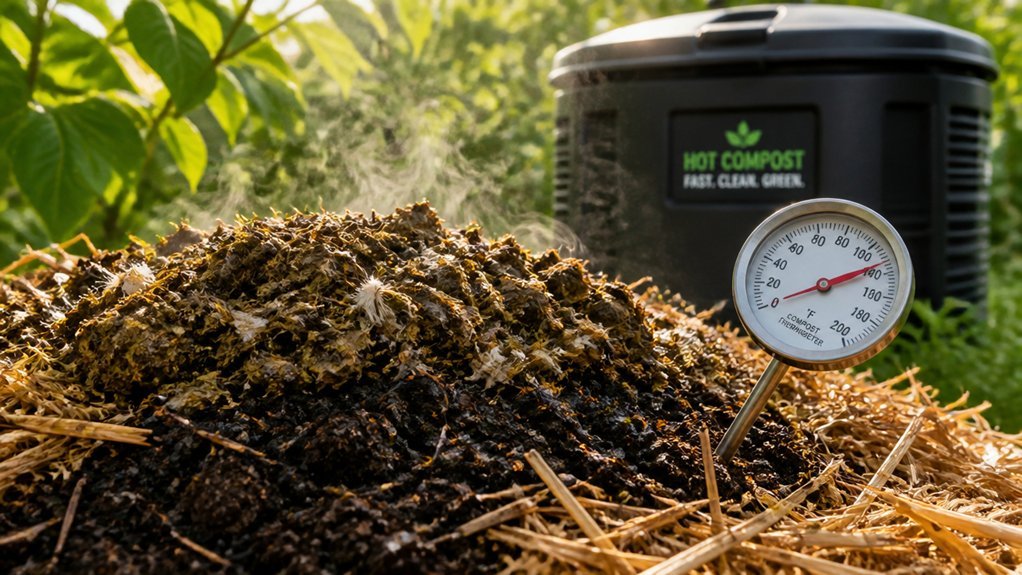
If you want chicken manure to break down as fast as possible, the hot compost method is usually your best bet. You build a pile that heats up quickly, and that heat speeds decomposition while helping reduce pathogens and weed seeds.
Hot composting chicken manure speeds decomposition while helping reduce pathogens and weed seeds.
Turn the pile often, keep it evenly moist, and watch the temperature with a compost thermometer.
- Aim for 130°F to 150°F
- Turn the pile every few days
- Keep moisture like a wrung-out sponge
- Cover the pile to hold heat
When the pile stays hot and active, you’ll see faster breakdown and less odor. Incorporating natural odor neutralizers can further help control smell during the composting process.
Don’t let it dry out or get soggy, or the process slows down.
With steady attention, you can turn raw manure into usable compost much sooner.
Mix Chicken Manure With Carbon Materials

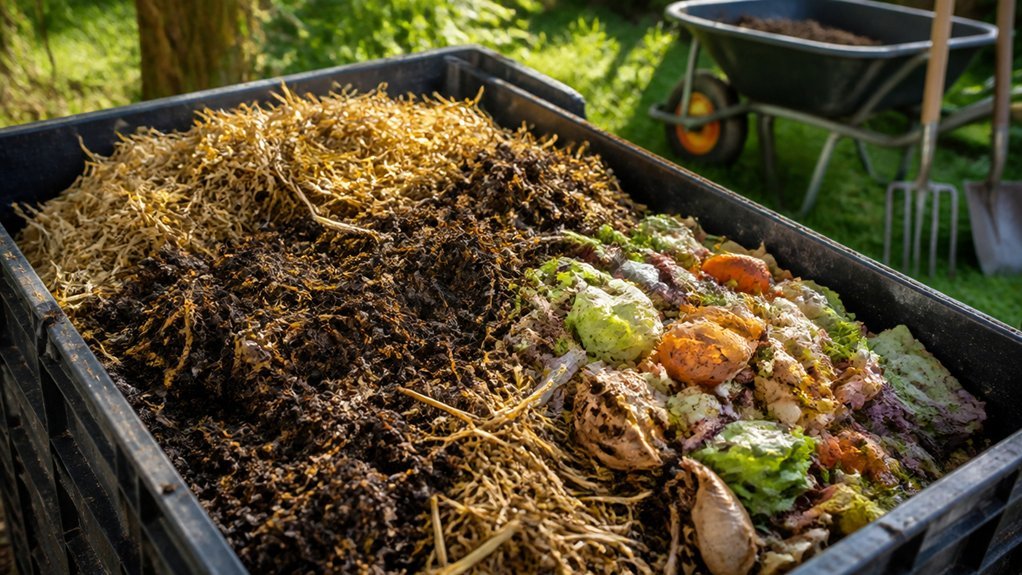
You’ll need to balance chicken manure with enough carbon-rich materials to keep the composting process active and odor-free. Use dry browns like straw, leaves, shredded paper, or wood chips, and layer them with the manure so microbes can break everything down faster.
When you keep the mix balanced and well layered, you’ll speed up decomposition and make better compost.
Balancing Carbon Ratios
To keep chicken manure from becoming too hot, wet, or smelly, mix it with plenty of carbon-rich materials like straw, dry leaves, shredded paper, or sawdust. You want a rough balance that lets air move through the pile and microbes work fast.
If the mix feels slimy or gives off a strong ammonia smell, add more dry carbon. If it seems too dry and isn’t heating up, add a little moisture and turn it.
- Aim for a fluffy, even texture
- Cover fresh manure with carbon layers
- Turn the pile often for oxygen
- Adjust until it feels damp, not soggy
- Using compact tumblers can further speed up the composting process by ensuring thorough mixing and aeration
This balance helps you compost faster while reducing odors and keeping nutrients in the pile.
Best Carbon Sources
Once you’ve got the moisture and smell under control, the next step is choosing the right carbon materials to mix with chicken manure. You want dry, absorbent browns that help your pile heat up and stay airy. Shredded leaves, straw, sawdust, and chopped cardboard work well. Avoid glossy paper and treated wood. Use this quick guide:
| Carbon source | Best use | Notes |
|---|---|---|
| Shredded leaves | Easy mix | Rich, balanced |
| Straw | Adds bulk | Breaks down well |
| Sawdust | Soaks moisture | Use sparingly |
| Cardboard | Improves texture | Tear it first |
| Pine needles | Mild acidity | Mix lightly |
Aim for a loose, crumbly blend so microbes can work fast. Turn the pile often, and keep adding carbon whenever the manure looks wet or dense. For optimal composting, maintaining a balanced carbon-to-nitrogen ratio is essential to encourage microbial activity.
Layering For Faster Decomposition
For faster composting, layer chicken manure with carbon materials in thin, alternating sheets instead of dumping it all in one spot. You’ll balance nitrogen and carbon, trap odors, and help microbes work quickly.
Spread a few inches of dry leaves, straw, shredded cardboard, or wood chips, then add a thinner manure layer. Keep repeating until your pile is tall enough to heat well.
- Add carbon after every manure layer.
- Keep layers loose for airflow.
- Moisten each layer lightly.
- Turn the pile often to speed breakdown.
Aim for a mix that feels damp, not soggy. If the pile smells strong, add more carbon. If it seems dry and inactive, sprinkle water.
Proper layering and airflow management are crucial for maintaining aerobic conditions that accelerate decomposition and prevent foul odors.
This simple stacking method boosts heat, cuts odor, and shortens composting time.
Add the Right Moisture and Airflow
If your pile stays too dry or too wet, chicken manure will break down slowly and may start to smell, so aim for a consistency like a wrung-out sponge. You can check this by squeezing a handful; it should feel damp, but no water should drip out.
If it’s dusty, sprinkle it lightly with water while you mix in dry browns. If it feels soggy, add more straw, shredded leaves, or sawdust to soak up excess moisture.
You also need enough airflow for microbes to work efficiently, so build the pile with coarse materials that leave small gaps. A compact, slimy mass can stall decomposition fast. Keep the texture loose and balanced, and the manure will heat up and break down much more quickly. Proper airflow helps prevent odor and enhances microbial activity for faster composting.
Turn the Pile on a Fast Schedule
Turning the pile on a regular schedule speeds up decomposition by giving microbes fresh oxygen and redistributing heat and moisture. You should turn chicken manure compost every two to three days during the hottest active phase, then weekly as it cools. Use a pitchfork or shovel to move material from the outside into the center, where heat builds fastest.
Regular turning refreshes oxygen, evens out heat, and keeps chicken manure compost breaking down quickly.
Break up clumps as you turn.
Check for dry or soggy patches.
Mix browns and manure evenly.
Rebuild the pile after each turn.
Monitor the temperature to ensure it stays within the ideal range for microbial activity, which benefits from proper bed design to enhance airflow and drainage.
If the pile smells sharp or feels cold, you’re probably turning too little. If it dries out, mist it lightly before restacking.
Fast, consistent turning helps you keep conditions stable, so the microbes can work quickly and efficiently without creating compacted zones.
Use Finished Compost or Worm Castings

Once your chicken manure compost is fully finished, you can blend it into garden beds to improve soil structure and feed plants steadily.
If you want an extra boost, mix in worm castings to add more nutrients and beneficial microbes. You’ll get a richer, smoother soil amendment that supports healthier growth.
Finished Compost Blend
For a safer, richer finish, blend your fully cured chicken manure compost with finished compost or worm castings before you use it. This final mix helps you create a more even, plant-friendly amendment without adding fresh manure risk. Using natural, biodegradable materials ensures the mixture remains eco-friendly and safe for your garden. You can combine the materials in a clean bin, tarp, or wheelbarrow, then break up clumps and stir until the texture looks uniform.
- Use equal parts for a balanced blend
- Add a little more compost for bulk
- Mix thoroughly so nutrients spread evenly
- Apply the finished blend to beds or pots
You’ll get a lighter, easier-to-handle product that’s ready for soil topdressing or planting prep. Keep the blend moist, not soggy, and store it covered until you need it.
Worm Castings Boost
If you want an extra nutrient boost, stir in worm castings or more finished compost after your chicken manure has fully cured. You’ll improve texture, add beneficial microbes, and give your garden a gentler, richer amendment.
Mix in a small amount and blend it evenly so you don’t create hot spots or clumps. Worm castings work especially well because they’re concentrated, stable, and easy for roots to use.
If you’re topdressing beds, spread the mix lightly and water it in to help nutrients move into the soil. If you’re potting plants, keep the ratio modest so the mix stays airy.
This final boost won’t replace good composting, but it can make your finished product more effective and easier to apply.
Incorporating electrolytes and vitamins into your poultry management helps support hydration and health during challenging conditions, which can also influence the quality of manure for composting.
Try Bokashi as a Fast Alternative
Bokashi gives you a faster way to start breaking down chicken manure, especially when you want to hold odors down and speed up the initial fermentation.
You can mix the manure with bokashi bran in an airtight container and let beneficial microbes do the work. This method won’t finish composting on its own, but it’ll prep the material quickly for a later compost pile or soil amendment.
- Use a sealed bucket with drainage
- Layer manure with bokashi bran
- Press out excess air
- Let it ferment for 1 to 2 weeks
Adding food-grade ingredients like compost accelerants can enhance the process and improve soil compatibility afterward. Afterward, bury or blend the pretreated manure into a larger compost mass. You’ll reduce smell, limit flies, and cut the waiting time before microbes finish the job.
Speed Up Composting With a Tumbler

A tumbler helps you hold in heat, which can speed up chicken manure composting and push materials to break down faster.
You’ll also want to turn it often, since frequent mixing brings in oxygen and keeps the pile working efficiently. With steady heat and regular turning, you can shorten the composting time quite a bit.
Tumbler Heat Retention
A tumbler can turn chicken manure into usable compost faster because it holds heat better than an open pile. You trap warmth inside the drum, and that steady heat helps microbes work harder on the manure and bedding.
Because the chamber is enclosed, wind and rain can’t cool or soak the mix as easily, so decomposition stays more consistent.
- Dark surfaces absorb more sunlight.
- Tight walls reduce heat loss.
- Moisture stays balanced longer.
- Warmth supports faster breakdown.
You’ll get the best results when you keep the mix airy and carbon-rich, since heat alone won’t finish the job. A well-insulated tumbler helps you maintain the high temperatures composting needs, while also keeping the process cleaner and more contained than a loose heap.
Frequent Turning Schedule
If you want chicken manure to compost faster in a tumbler, turn it often enough to keep the contents active and evenly heated. Aim to rotate it every one to three days, depending on how hot the pile stays and how wet it feels.
Frequent turning adds oxygen, breaks up clumps, and helps microbes work faster. It also spreads moisture and heat through the whole batch, so you don’t get cold spots or sour pockets.
If the mix looks compacted or smells strong, turn it sooner. If it seems dry, add a little water before you spin it. Keep a simple schedule and stick with it. Regular turning can shorten composting time and give you a darker, crumbly finish sooner.
Monitor Heat, Smell, and Moisture
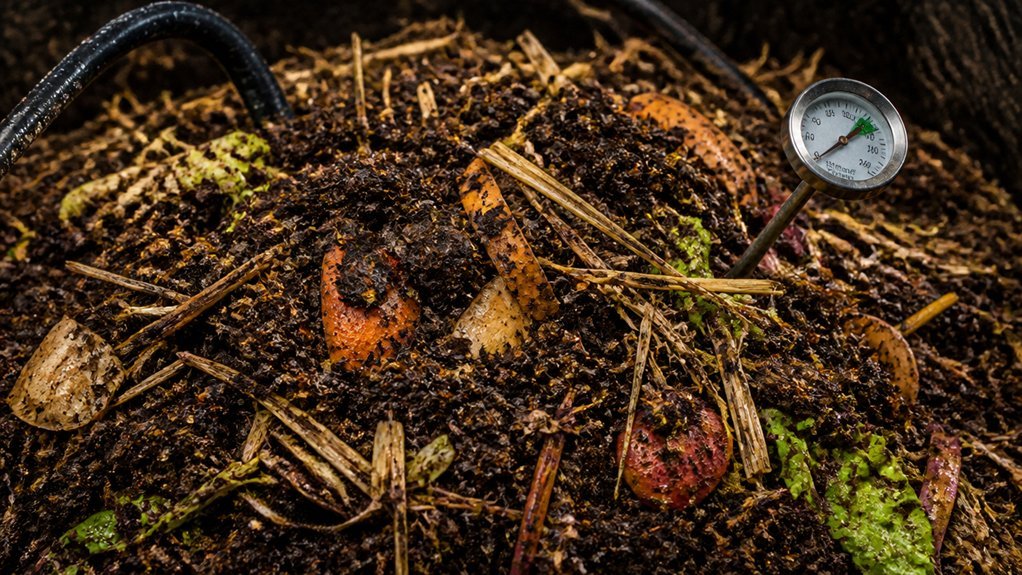
As your chicken manure compost heats up, keep checking the pile so you can catch problems early. Stick a compost thermometer into the center and aim for steady warmth, not scorching heat.
Check the pile daily and aim for steady warmth, not scorching heat, to keep compost on track.
If it smells rotten or ammonia-like, add dry browns and turn it to bring in air. If the pile feels dry, sprinkle water until it’s like a wrung-out sponge. If it’s soggy, mix in straw, shredded leaves, or sawdust.
- Check temperature daily
- Sniff for sharp odors
- Squeeze for moisture
- Adjust with browns or water
You want the pile to stay active and balanced, so microbes keep working fast without stalling. A healthy mix should feel warm, earthy, and slightly damp, with no foul smell.
Know When Chicken Manure Is Ready
How do you know when chicken manure compost is ready? You’ll see a dark, crumbly material that looks like rich soil, not fresh bedding or waste. It should smell earthy, not sharp or ammonia-like.
If you squeeze a handful, it should feel moist but not wet, and it shouldn’t release liquid. The pile will no longer heat up after turning, which means the active breakdown is done. You can also spot fewer visible feathers, straw pieces, or manure clumps.
If you’re unsure, let it cure a bit longer; unfinished compost can burn plants. Once it’s stable and cool, you can mix it into garden beds or spread it as a soil amendment.
Frequently Asked Questions
Can Chicken Manure Be Composted Indoors Safely?
Yes, you can compost chicken manure indoors safely if you use a sealed, well-ventilated bin, keep bedding carbon-rich, and monitor moisture. You’ll control odor, pests, and pathogens with proper heat and turning.
Does Chicken Manure Compost Faster With Bedding Included?
Yes, you’ll usually compost chicken manure faster with bedding included because it balances moisture and carbon. You should add enough dry bedding, turn it often, and keep it moist, not soggy, for quicker breakdown.
Can I Compost Chicken Manure in Winter?
Yes, you can compost chicken manure in winter, but you’ll need insulation, a larger pile, and proper carbon materials. Turn it when possible, and keep it moist, so microbial activity stays alive.
Is Composted Chicken Manure Safe for Vegetable Gardens?
Yes, composted chicken manure is safe for vegetable gardens when you fully compost it first. You’ll reduce pathogens, lower burn risk, and add nutrients. Use finished compost sparingly, mix it well, and avoid fresh manure.
What Container Works Best for Small-Scale Chicken Manure Composting?
A lidded, ventilated plastic bin works best for you; it’s cheap, easy to turn, and holds heat well. You’ll want drainage holes, carbon bedding, and a snug lid to control odor and moisture.
In Summary
Chicken manure can compost fast when you give it the right balance of heat, carbon, moisture, and air. If you build a hot pile, turn it often, and keep it damp but not soggy, you’ll speed up the process safely. You can also use a tumbler or bokashi to move things along. Watch the smell and temperature, and don’t use it until it’s dark, crumbly, and fully finished.