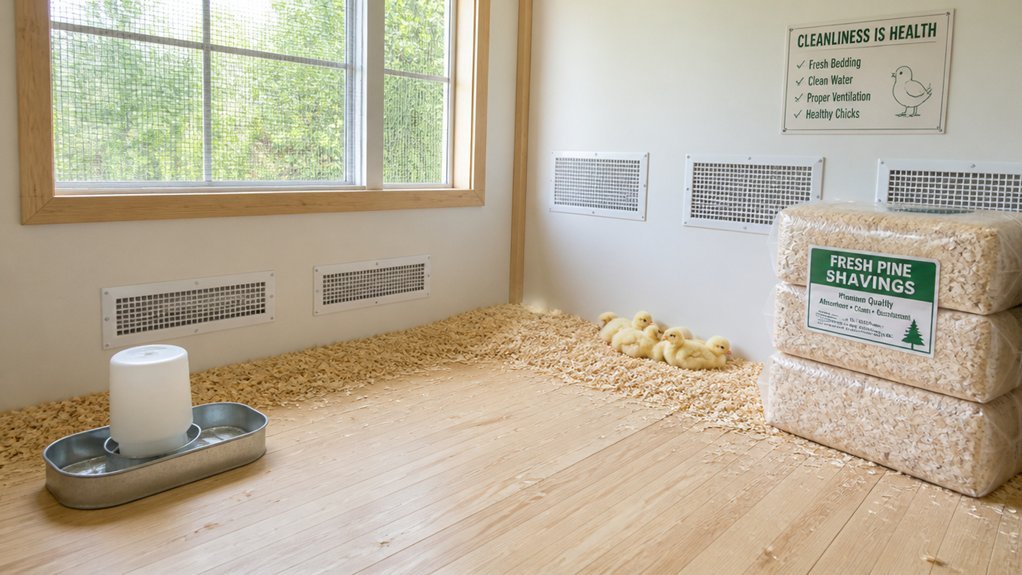
If you want beginner-friendly heritage chickens, start with calm, hardy breeds like Orpingtons, Plymouth Rocks, Australorps, Wyandottes, Delawares, Dominiques, Rhode Island Reds, Sussex, and good dual-purpose choices like Brahmas or Chanteclers. You’ll want birds that handle mixed weather, settle easily into a flock, and still lay well without much drama. Match the breed to your climate, coop space, and goals, and you’ll set yourself up for an easier, more productive backyard flock.
What Makes a Heritage Chicken Beginner-Friendly?

A heritage chicken feels beginner-friendly when it’s hardy, calm, and easy to manage, especially if you’re new to raising birds. You want a bird that handles weather shifts well, forgives small mistakes, and doesn’t stress easily.
Heritage chickens are beginner-friendly when they’re hardy, calm, and forgiving of small mistakes.
A steady temperament helps you approach daily chores with confidence, since skittish birds can make feeding and handling harder. You also benefit from chickens that grow at a reasonable pace and adapt well to simple housing.
Good foragers can reduce feed costs and keep themselves busy, which lightens your workload. When a breed lays reliably without demanding constant attention, you’ll find flock care more manageable.
These traits don’t make the bird perfect, but they do make your first experience smoother, safer, and far less overwhelming overall.
How to Choose the Right Heritage Breed for Your Coop
When you choose a heritage breed, match its coop space needs to the room you can provide so your birds stay healthy and comfortable. You’ll also want a breed that fits your climate, since cold-hardy or heat-tolerant birds handle weather changes better. Then compare temperament and egg output so you end up with chickens that suit your routine and goals. Additionally, understanding breed hardiness can help you select chickens better suited to your environment and reduce health issues caused by climate stress.
Coop Space Needs
How much room do your chickens really need? You should plan for at least 4 square feet per bird inside the coop and 8 to 10 square feet per bird in an attached run.
Larger heritage breeds often need more room because they’re active, sturdy, and less tolerant of crowding. If you choose a calm, compact breed, you can fit more birds comfortably, but you still shouldn’t squeeze them in. Give each hen enough space to move, perch, and get away from flock mates. Crowding leads to stress, pecking, and dirty bedding.
When you compare heritage breeds, match their adult size and temperament to your available space. If your coop feels tight now, pick fewer birds or a smaller breed instead.
Considering the coop size and capacity considerations can help ensure your flock remains healthy and happy.
Climate Compatibility
Space matters, but so does weather. You’ll choose a heritage breed that fits your local climate, or you’ll fight stress, poor growth, and extra maintenance. Cold-hardy birds handle wind and snow better; heat-tolerant birds stay steadier in long, humid summers. Check comb size, feather density, and leg feathering before you buy. Use this quick guide:
| Climate | Look For | Good Fit |
|---|---|---|
| Cold | Dense feathers | Wyandotte |
| Cold | Tight body | Chantecler |
| Hot | Light body | Leghorn |
| Hot | Large comb | Andalusian |
| Mixed | Moderate build | Plymouth Rock |
Match breed traits to your coop setup, and you’ll reduce heating, cooling, and bedding problems all year. A thorough understanding of breed adaptability helps ensure your flock remains resilient through seasonal changes.
Temperament And Eggs
Temperament and egg-laying should guide your choice just as much as climate, because a calm bird is easier to manage and a reliable layer keeps your flock worth the effort.
If you want a low-stress coop, choose breeds that stay friendly, tolerate handling, and don’t bully weaker birds. Plymouth Rocks and Sussex often fit that role well, while Leghorns lay heavily but can be flighty.
You should also match your egg goals to your household: some heritage breeds give fewer eggs but larger birds and steadier behavior, while others focus on production. Check annual lay rates, winter laying habits, and broodiness, since a broody hen may pause egg output.
When you balance personality with productivity, you’ll end up with birds you enjoy and eggs you can count on.
Including breeds with a consistent egg production, which helps maintain steady supplies throughout the year, can be a smart choice for beginners.
Orpingtons: Calm, Cold-Hardy Backyard Birds
If you want a backyard chicken that’s as gentle as it’s dependable, Orpingtons fit the bill. You’ll find their calm nature comforting when you’re new to chickens or managing a busy flock. They handle handling well, so you can easily check health, trim nails, or move them without drama.
Their dense feathers help them shrug off cold weather, making them a smart choice if your winters bite hard. You should still provide dry bedding, draft-free housing, and fresh water, but Orpingtons won’t fuss much.
They also adapt well to confined runs and family backyards. With their rounded bodies and mellow personalities, they bring a steady, low-stress presence to your coop and make daily care feel manageable. Using dust-free bedding can further improve their comfort and promote healthier, happier chickens.
Plymouth Rocks: Easygoing Layers for Beginners
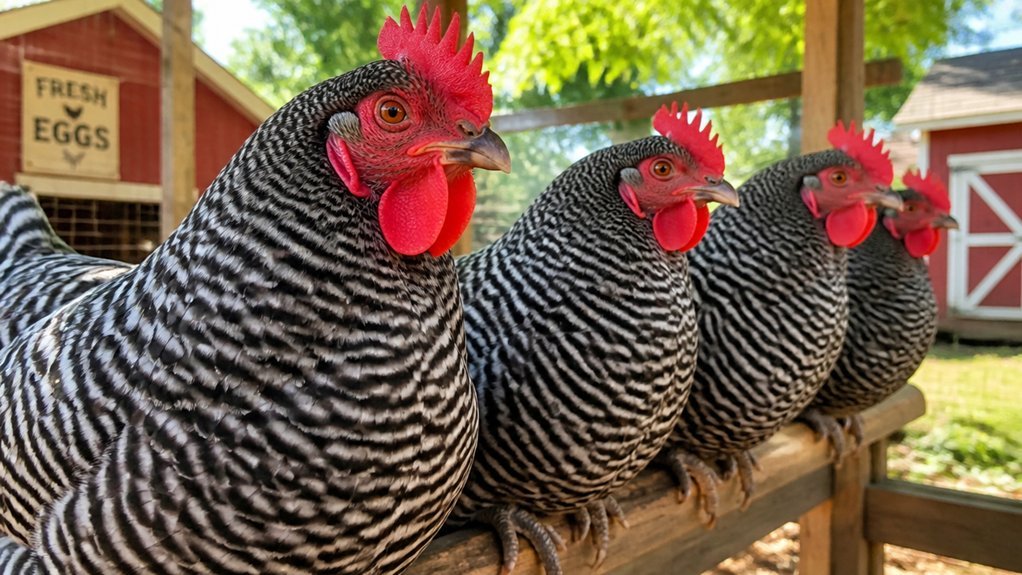
Plymouth Rocks make an excellent choice when you want steady egg production without a fussy bird to manage. You can count on these heritage birds to settle into your routine quickly and adapt well to a small backyard flock. Their calm, friendly nature helps you handle them with less stress, and they usually tolerate regular handling without drama. Their sturdy build and dependable laying make them a smart, practical pick when you want birds that perform well and don’t demand constant attention from you. Additionally, their ability to adapt to different environments and their easy maintenance requirements make them ideal for beginner chicken keepers.
Australorps: Reliable Eggs and Gentle Temperament
Australorps can give you a steady flow of eggs, making them a smart pick if you want dependable production. You’ll also appreciate their calm, friendly nature in a backyard flock. If you’re new to chickens, they’re easy to handle and pleasant to keep around. They are also known for their good feather health, which contributes to their overall resilience and longevity.
High Egg Production
For a beginner-friendly breed that really earns its keep, Australorps stand out for their impressive egg production and easygoing nature. You can count on hens to lay consistently, often giving you a steady supply of large brown eggs through much of the year.
When you want a flock that helps fill your basket without demanding complicated care, Australorps deliver. Their strong laying ability makes them a smart choice if you’re building confidence as a new chicken keeper.
You’ll value how productive they stay after maturity, especially when you provide quality feed, clean water, and basic shelter. Ensuring they receive appropriate nutrients, such as a balanced starter feed, can further optimize their egg-laying capacity and overall health. Because they combine heritage qualities with dependable output, Australorps give you both practicality and long-term value in a backyard flock.
Calm Backyard Nature
Beyond their steady egg output, Australorps bring a calm, beginner-friendly temperament that makes daily care easier. You’ll notice they move with confidence, but they rarely act skittish or aggressive, so you can work around them without stress.
That steady nature helps when you’re teaching kids, collecting eggs, or cleaning the coop.
They also prefer perch heights that are comfortably within their reach, which reduces stress and encourages natural roosting behaviors.
- Easy handling: You can pick them up with less fuss.
- Low drama: They usually get along well in mixed flocks.
- Quiet confidence: They adapt smoothly to routine backyard life.
Because they stay relaxed, you’ll spend less time managing pecking-order issues and more time enjoying your flock.
If you want chickens that pair reliable laying with a gentle backyard presence, Australorps fit that role well.
Sussex: Friendly Dual-Purpose Heritage Chickens

Sussex chickens make a great starting point if you want a calm, productive heritage breed that does double duty. You’ll value how easily they settle into a backyard flock and how quickly they learn your routine.
They’re friendly without being pushy, so you can handle them with confidence as a beginner. Sussex birds give you solid egg production and still grow into respectable table birds, making them a practical choice when you want both breakfast and meat from one breed.
Their curious nature keeps them active, but they won’t demand constant attention. If you want a reliable, low-drama chicken that rewards steady care, Sussex hens fit beautifully. You’ll get steady results, pleasant personalities, and a breed that’s been trusted for generations. Incorporating easy-to-clean nesting boxes can help maintain hygiene and encourage laying.
Wyandottes: Hardy Birds for Variable Weather
Wyandottes are a smart pick when you want a heritage chicken that can handle cold snaps, damp weather, and seasonal swings without fuss. You’ll value their rounded bodies, dense feathering, and calm nature, which help them stay comfortable when the weather turns messy.
Wyandottes are a smart pick for hardy, calm chickens that handle cold, damp weather with ease.
They fit well into a beginner flock because they’re steady and easy to watch.
- Shelter: Give them a dry, draft-free coop with good ventilation.
- Space: Let them roam in a secure run so they can stay active.
- Feed: Offer balanced layer feed and fresh water year-round.
If you want birds that keep laying through changeable seasons, Wyandottes can deliver without demanding much from you.
Delawares: Low-Maintenance Heritage Chickens

Delawares bring a calm, easygoing temperament that makes them a great fit for your flock. You won’t need to fuss over them much, since they handle everyday care with little trouble.
If you want a heritage bird that’s friendly and low-maintenance, Delawares are a smart choice.
Calm Temperament
If you want a heritage chicken that’s easy to live with, Delawares are a strong choice because they’re known for their calm, steady temperament. You’ll notice they move with less fuss than many other breeds, which makes daily interaction feel relaxed and predictable.
That steady nature helps when you’re learning chicken behavior, because you can watch them without dealing with constant skittishness.
- They usually accept handling without much drama.
- They tend to fit well into mixed flocks.
- They often react calmly when you approach the coop.
That easygoing attitude also makes them a good match if you want birds that don’t turn every routine moment into a scramble. When you choose Delawares, you get hens that feel approachable and manageable.
Easy Care Needs
That calm, easygoing nature also shows up in daily upkeep, making Delawares a low-maintenance heritage breed for busy or beginner keepers. You won’t need special housing or complicated routines to keep them thriving.
Give them a secure coop, dry bedding, fresh water, balanced feed, and enough space to roam, and they’ll usually handle the rest. They adapt well to free-range yards but also do fine in a simple run.
Because they’re hardy, you won’t spend much time managing health issues when you keep the coop clean and watch for parasites. Their efficient growth and steady foraging can also cut feed waste.
If you want heritage chickens without constant fuss, Delawares let you enjoy eggs, meat, and a friendly flock without turning poultry care into a full-time job.
Dominique Chickens: America’s Original Heritage Breed
Long before many modern chicken breeds existed, the Dominique was already thriving as America’s original heritage chicken, valued for its hardiness, calm temperament, and practical egg-laying ability. If you want a bird that fits a relaxed backyard flock, this breed makes sense.
You’ll notice its rose comb, barred plumage, and steady, unfussy behavior right away. Dominiques adapt well to mixed flocks and don’t usually demand much special care.
- You can expect them to forage efficiently and stay active.
- You’ll value their friendly nature around people.
- You may like their reliable, moderate egg production through changing seasons.
Choose Dominiques if you want heritage charm without complicated management. Their balanced personality helps you enjoy chickens without feeling overwhelmed.
Rhode Island Reds: Tough, Productive Starter Hens

Rhode Island Reds bring a bit more firepower to a backyard flock, with the same heritage appeal but even stronger productivity. You’ll value how these hens handle cold snaps, heat, and uneven beginner care without fuss.
They grow into sturdy, confident birds that start laying reliably and keep going with impressive consistency. If you want eggs without babying a breed, these hens deliver.
You can expect rich brown eggs, good feed efficiency, and a calm enough temperament for most backyards. They’re not flashy, but they’re dependable, which matters when you’re learning.
Give them space, clean bedding, fresh water, and steady feed, and they’ll reward you with steady production and rugged charm.
Frequently Asked Questions
How Long Do Heritage Chickens Usually Live?
Heritage chickens usually live 5 to 8 years, though you can sometimes see 10 or more with good care. You’ll help them live longer by feeding well, keeping predators away, and treating illness early.
Do Heritage Breeds Need Special Winter Housing?
Usually, you won’t need special housing, but you should keep your coop dry, draft-free, insulated enough, and well-ventilated. You’ll also want deep bedding, good roosts, and protection from frostbite and predators.
Can Heritage Chickens Free-Range With Dogs Nearby?
Yes, you can let heritage chickens free-range with dogs nearby if you train the dogs well, supervise first, and provide escape cover. You shouldn’t trust every dog; prey drive can quickly overwhelm caution.
When Do Heritage Hens Start Laying Eggs?
You’ll usually see heritage hens start laying at 5 to 7 months old, though some breeds take longer. You can encourage laying with steady feed, daylight, and low stress, but genetics still matter.
How Many Birds Should a Beginner Start With?
Start with 3 to 6 birds; you’ll learn faster, and they’ll stay social. Don’t begin with too many, since you’ll need less feed, easier care, and simpler coop management while gaining confidence.
In Summary
Picking the right heritage breed can make chicken keeping a lot easier and more enjoyable for you. If you want calm birds, steady egg production, and hardy hens, breeds like Orpingtons, Plymouth Rocks, Australorps, and Rhode Island Reds are great places to start. Choose chickens that fit your climate, coop space, and goals, and you’ll set yourself up for success. With the right breed, you can enjoy a healthier, happier backyard flock.